Santi’s Love and Country County Fair 3 (2026)
Event Details
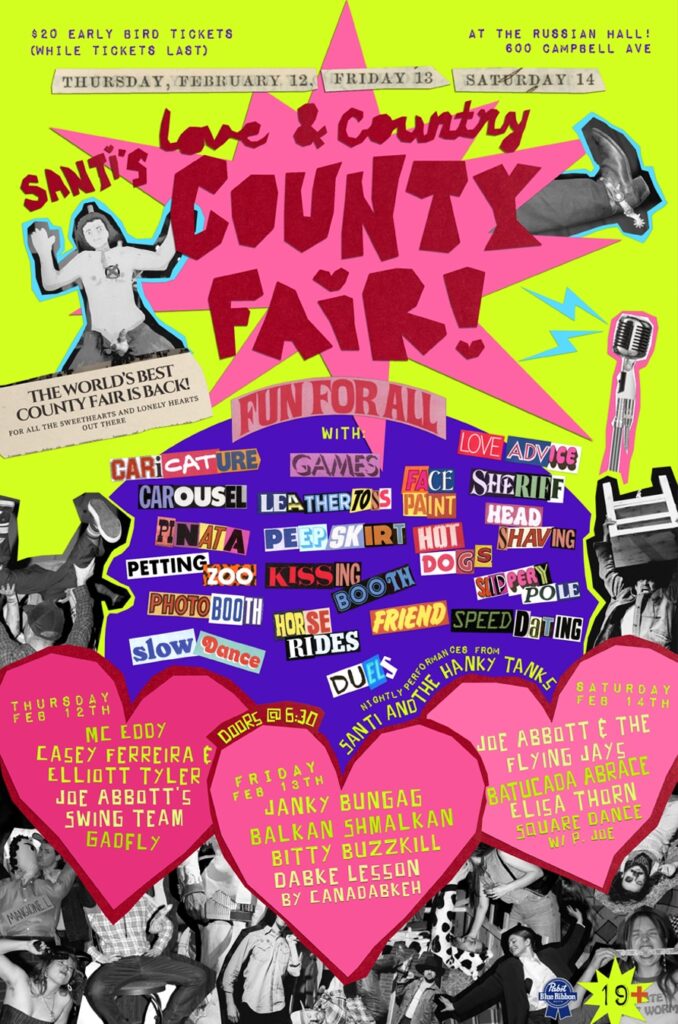
Santi’s Love and Country County Fair 2026 happens at The Russian Hall (600 Campbell Avenue)
From February 12-14
Tickets and more information are available here.
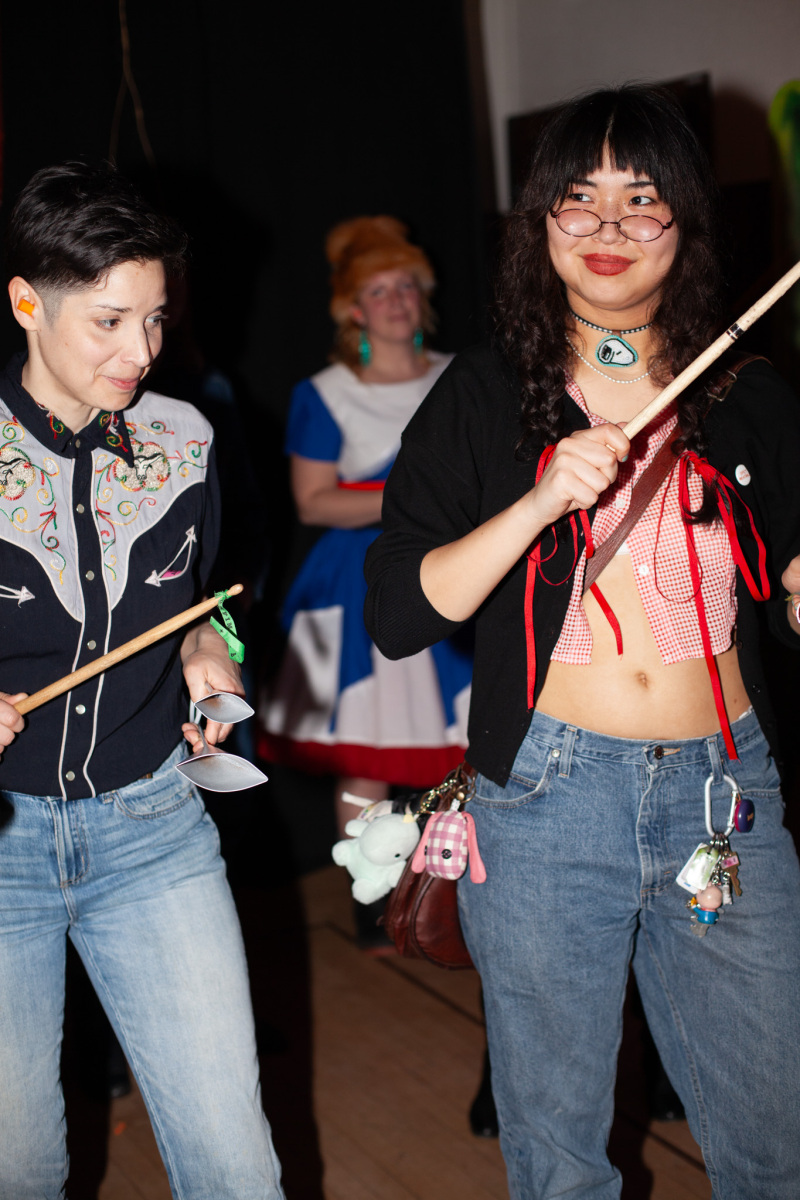
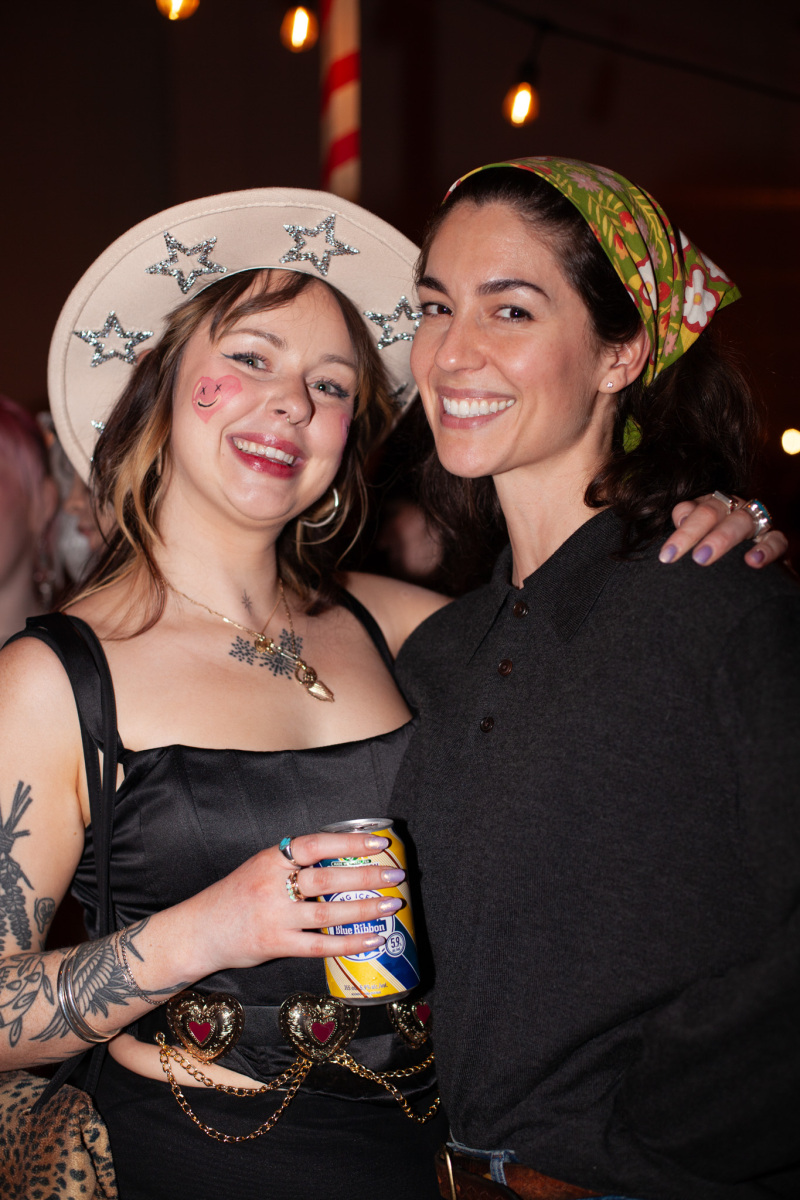
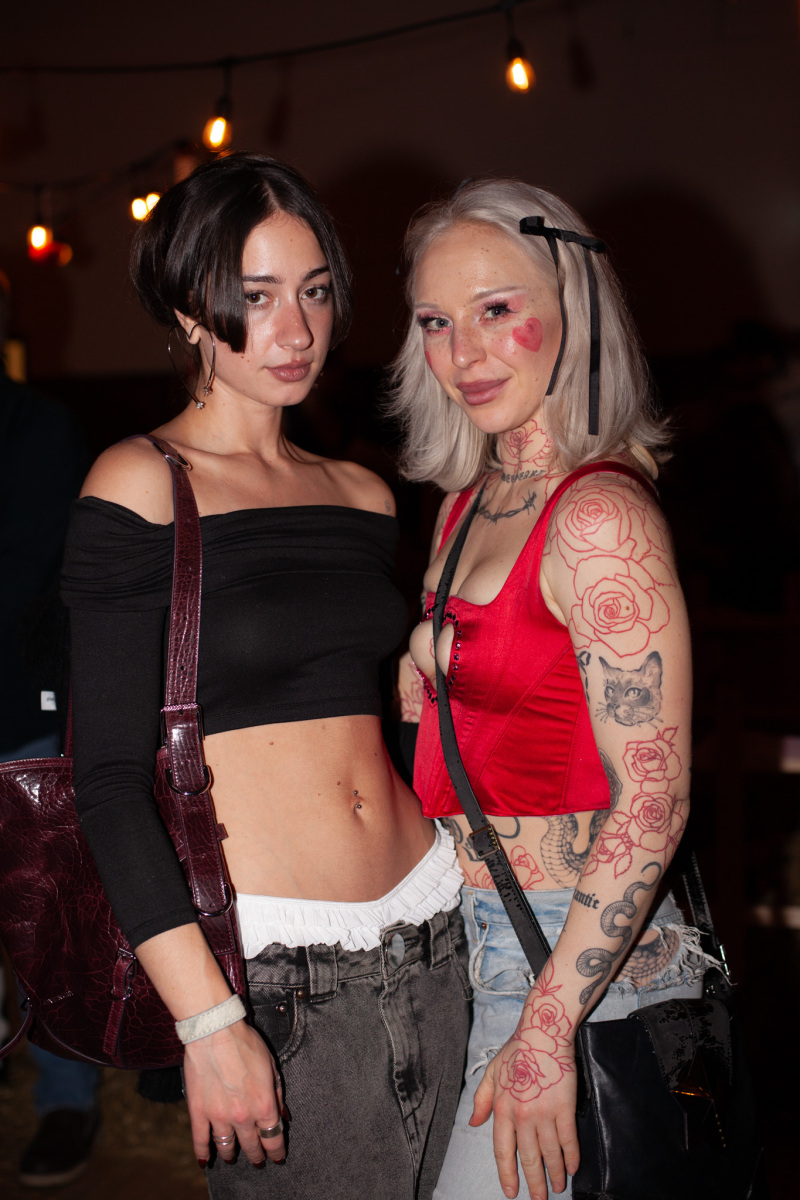
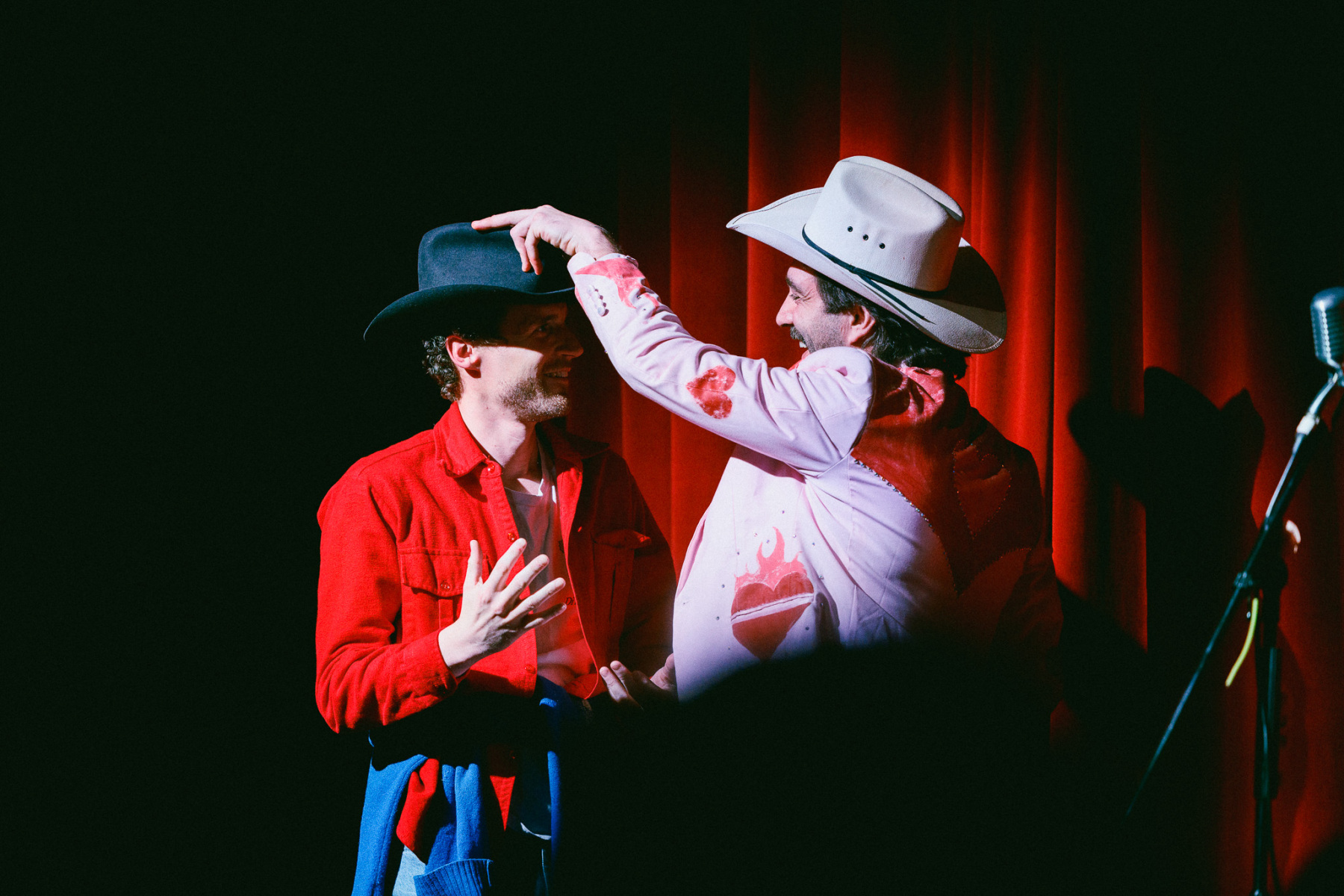
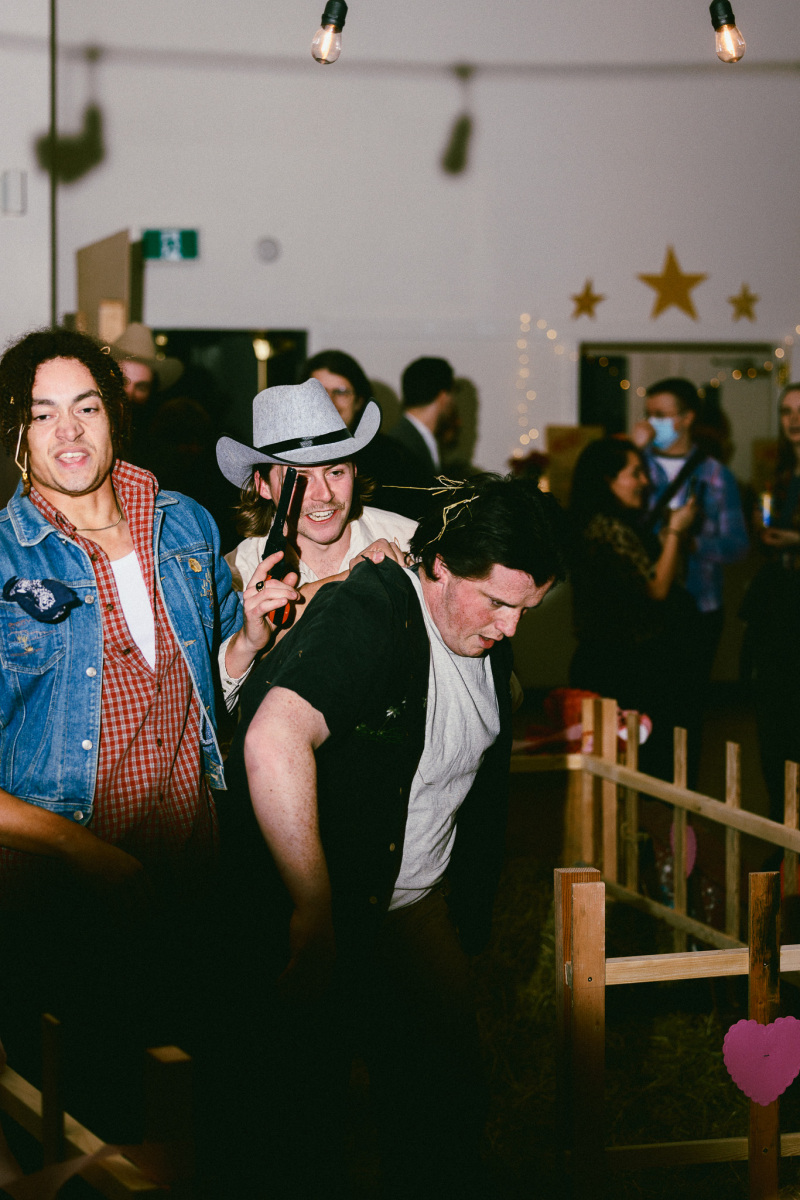
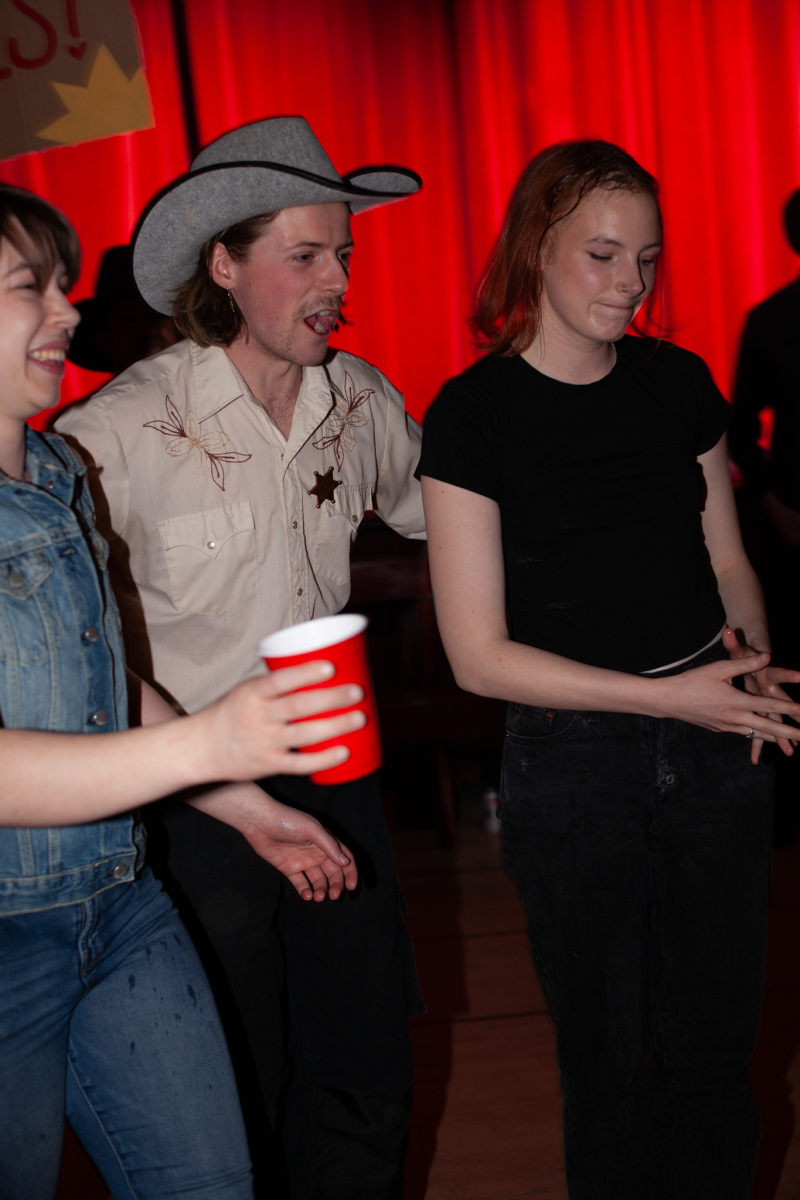
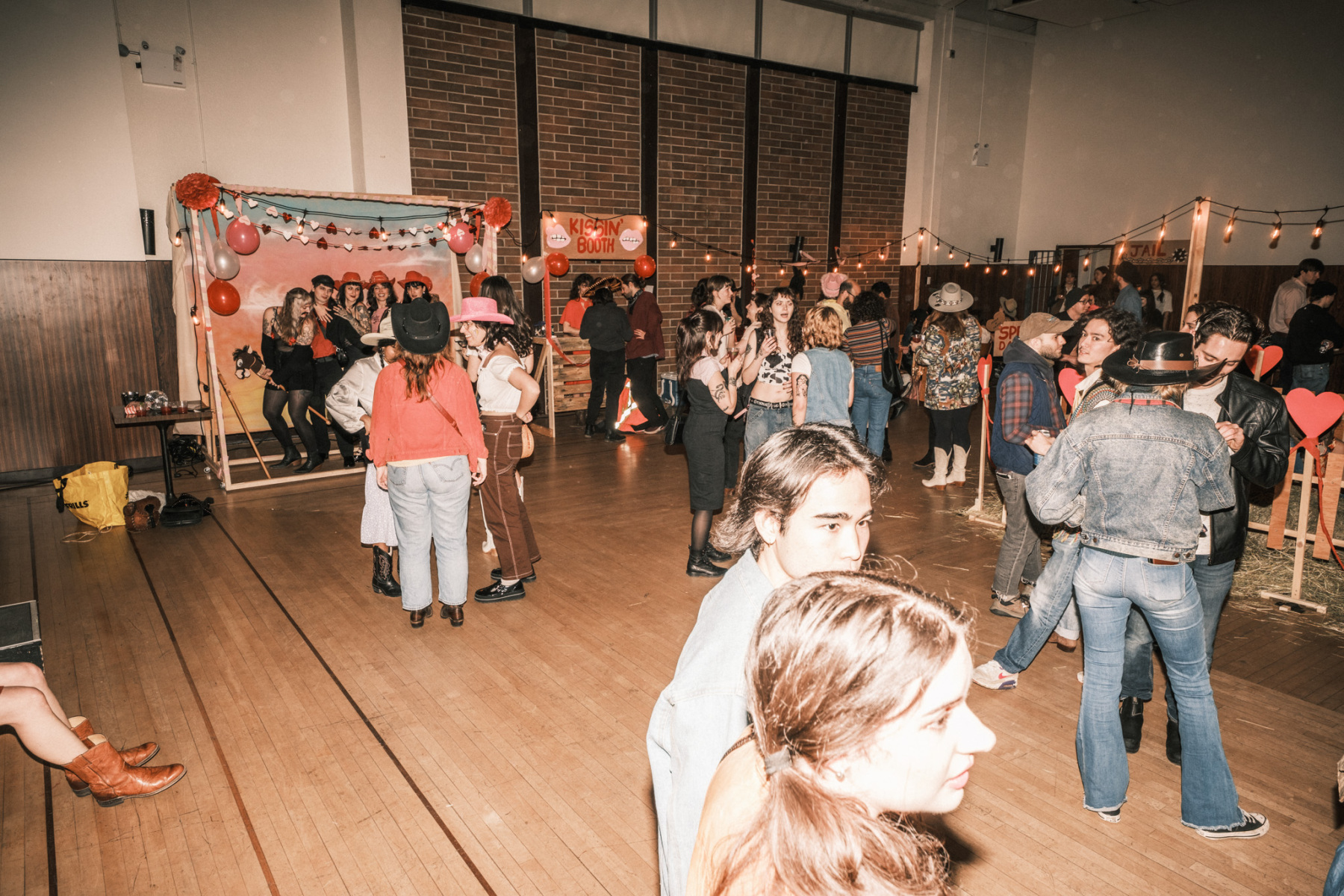
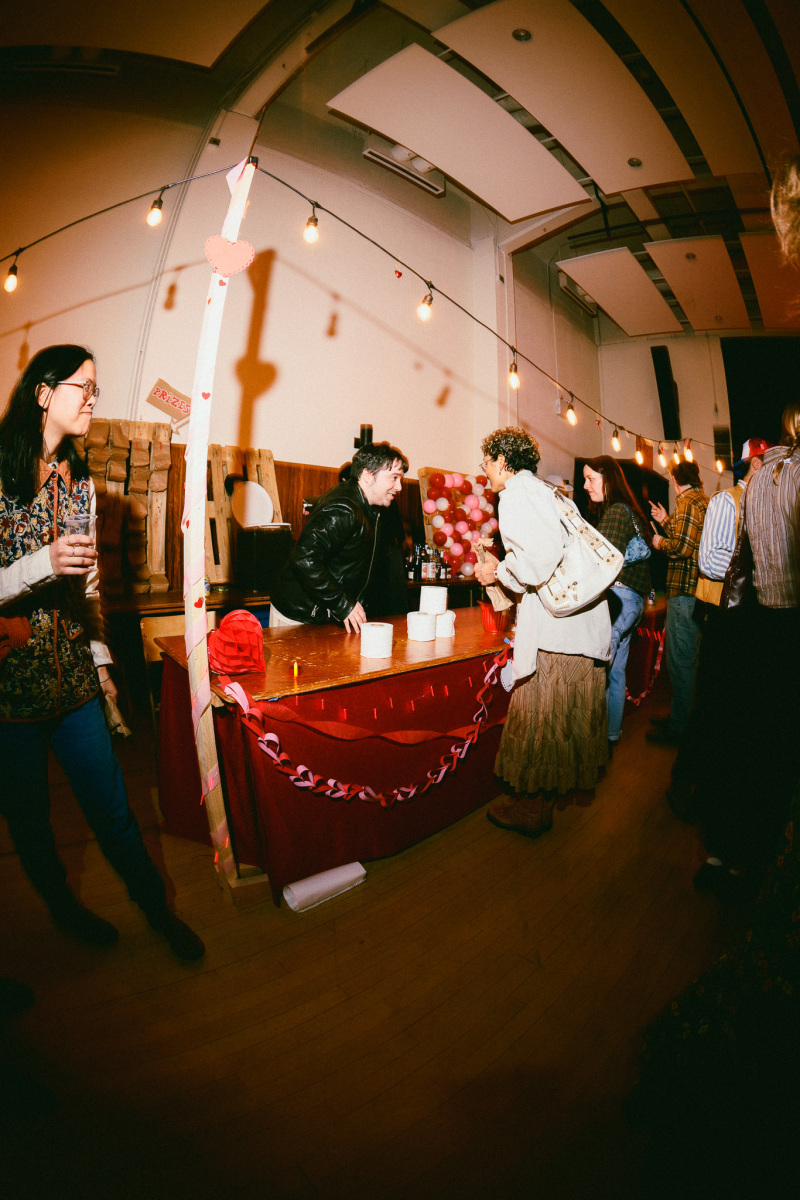
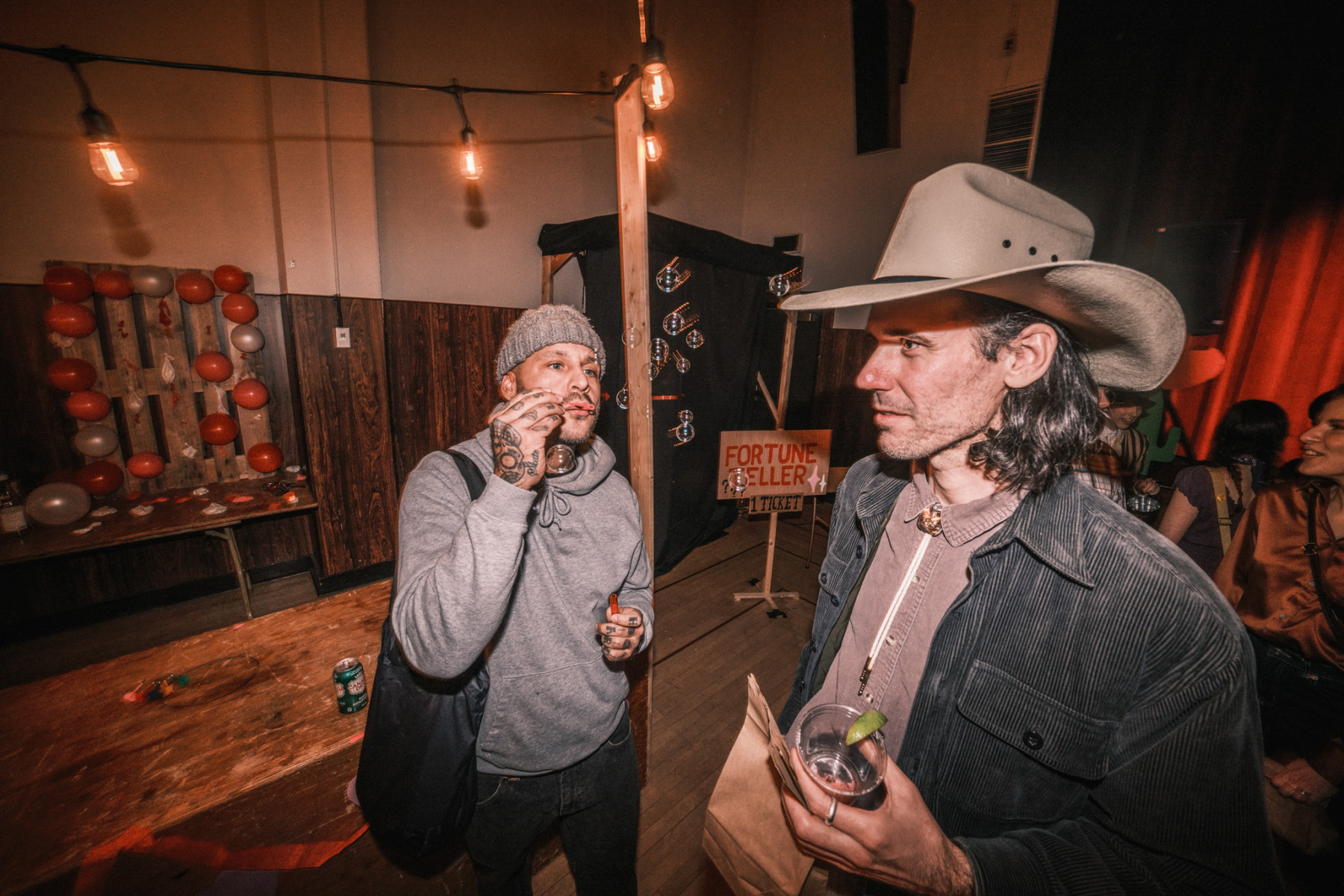
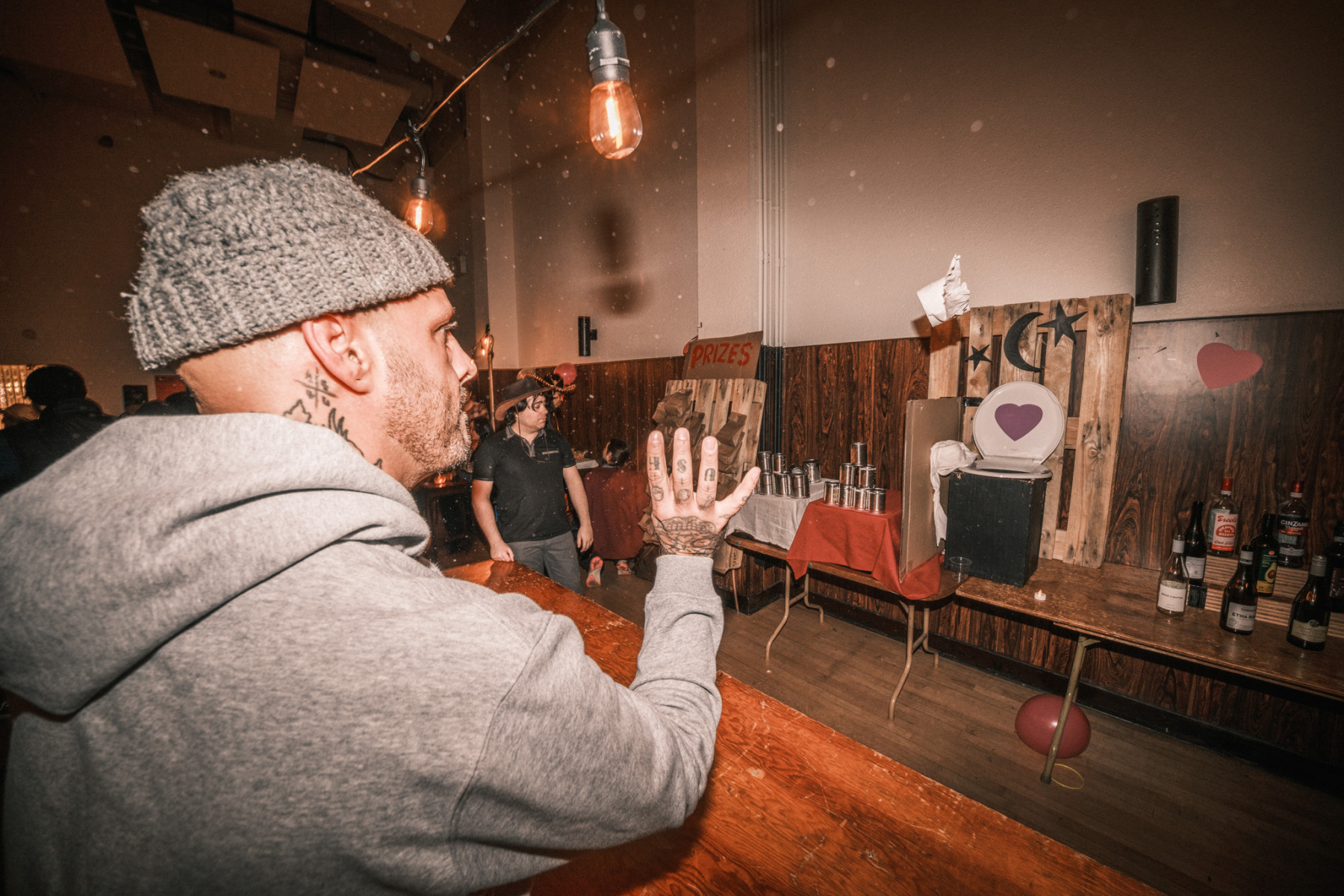
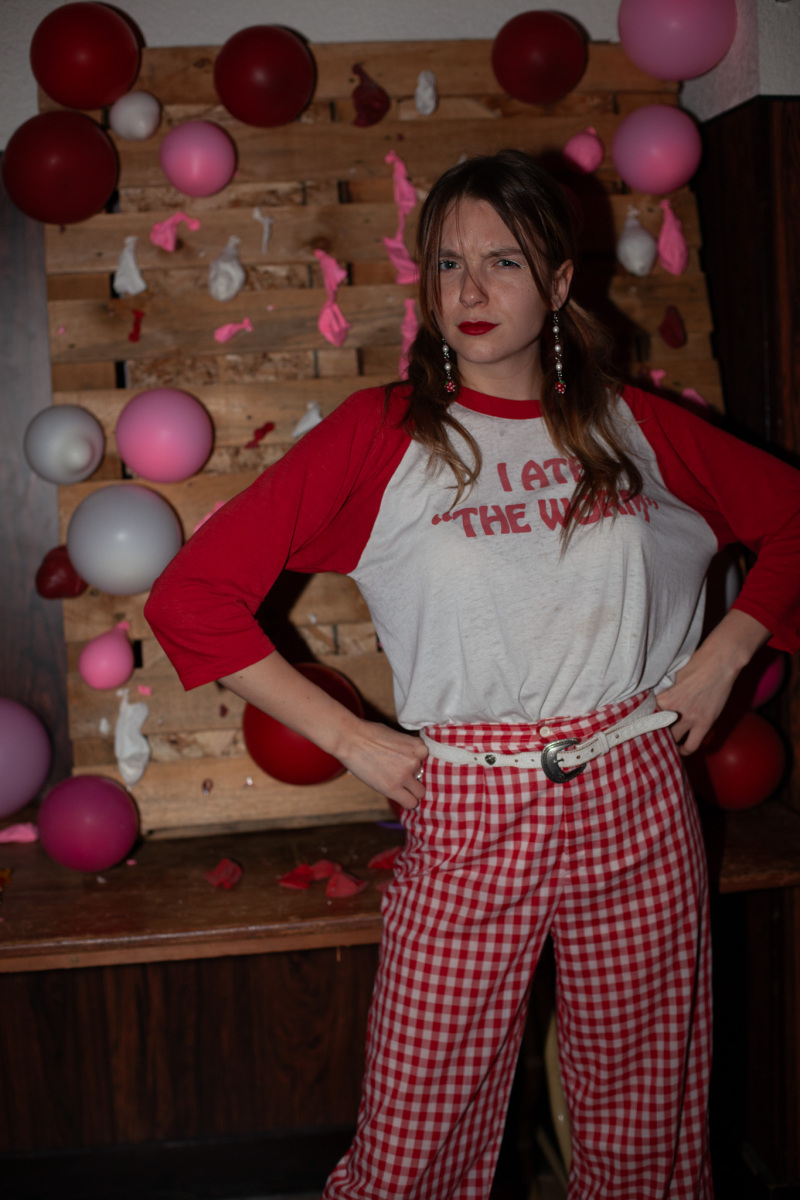
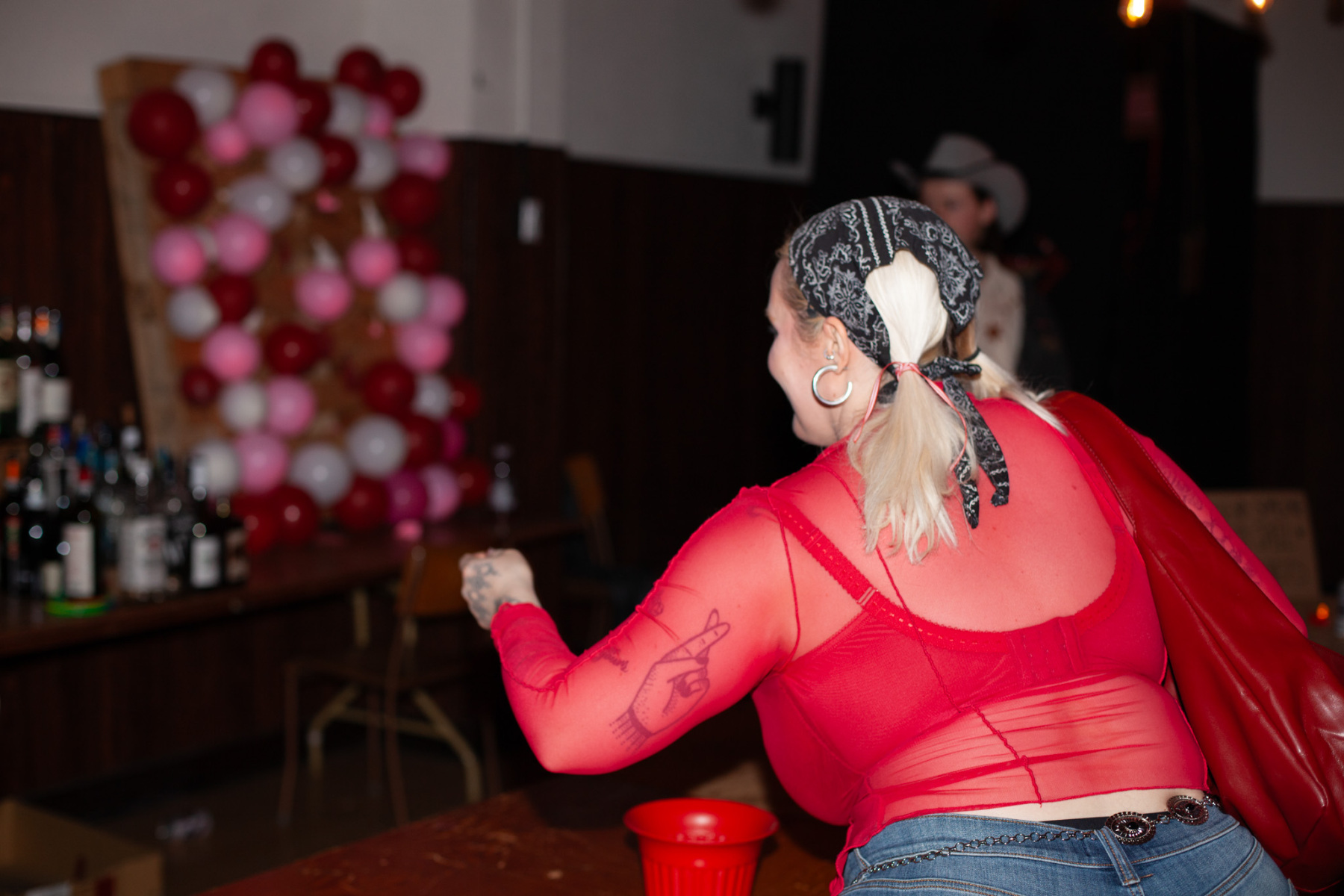
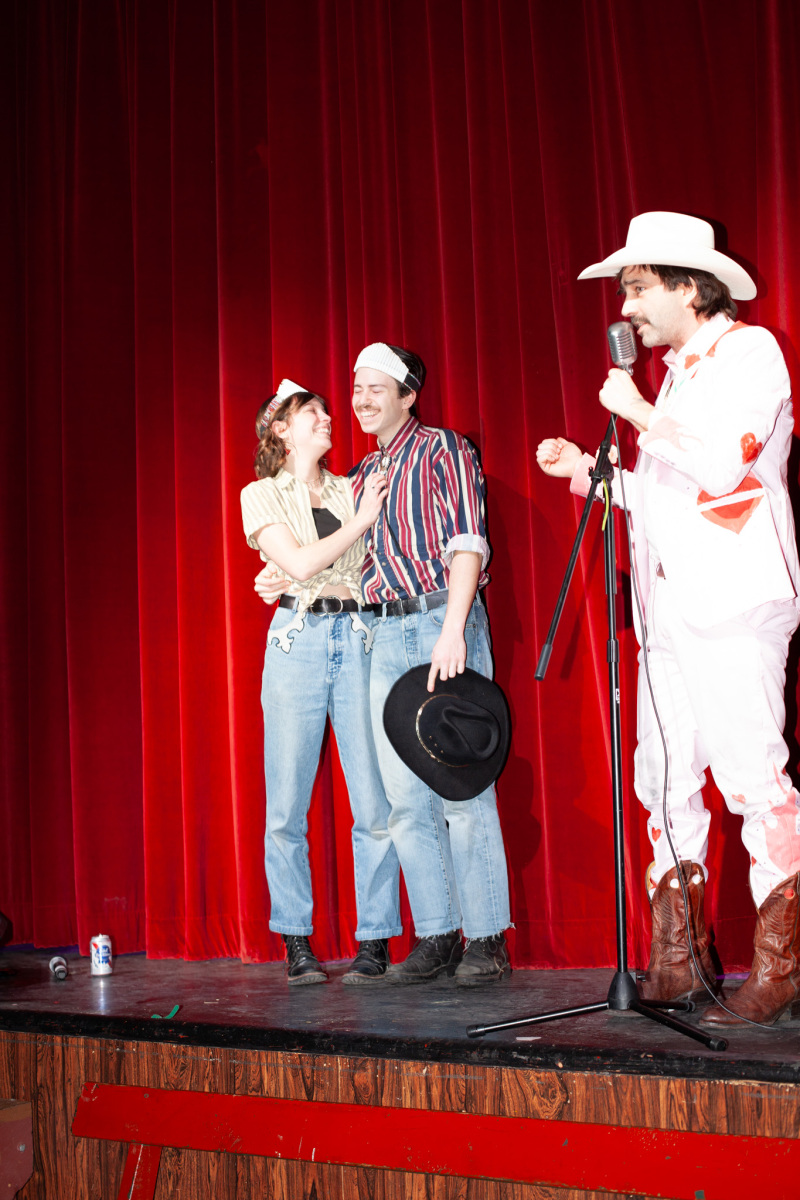
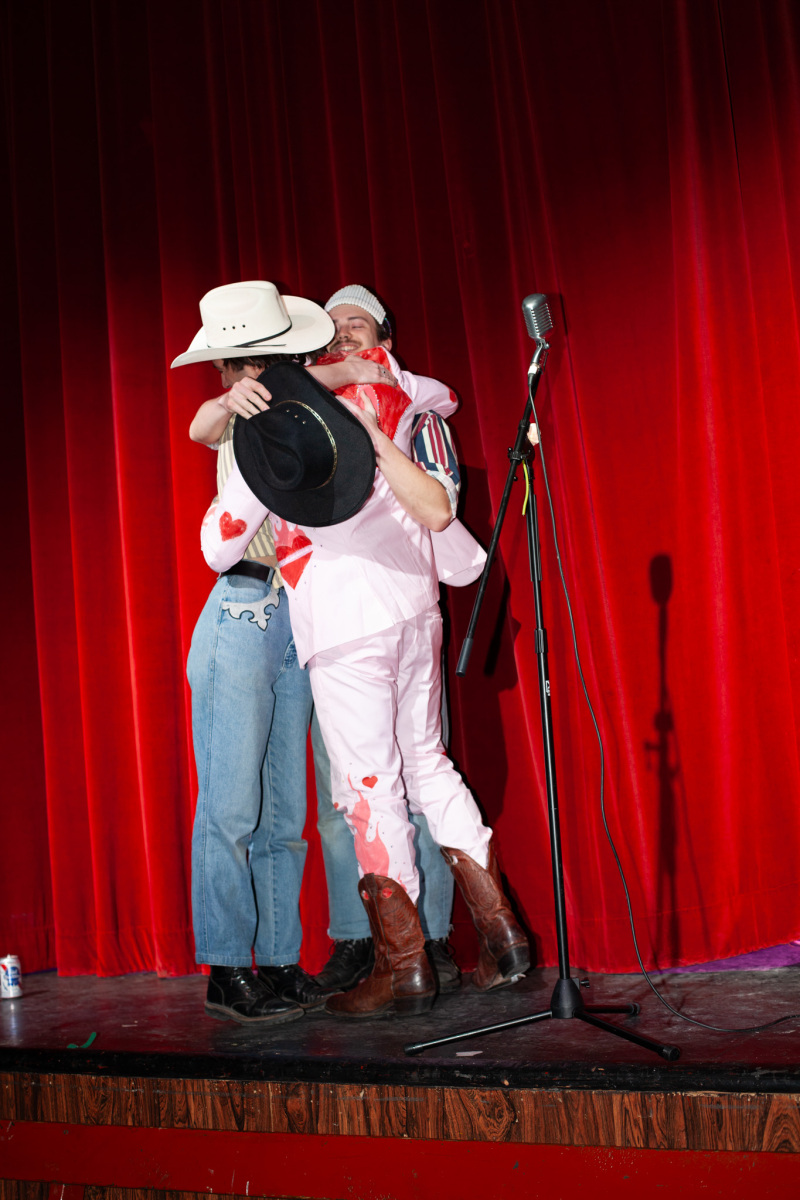
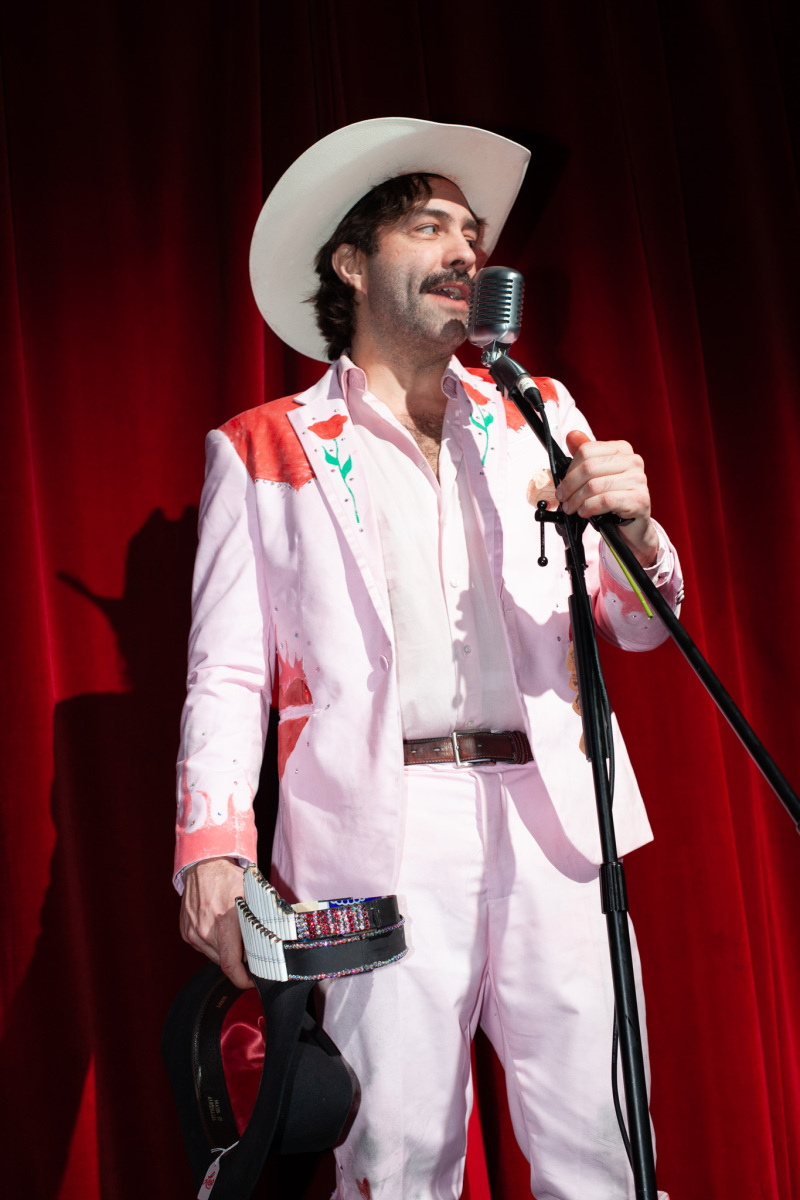
The event is a representation and reimagining of a county fair. It consists of a fairground with booths and activities throughout the night. Participation in the booths and activities is strictly voluntary. We also have shows, bands, and performances on a stage. All these are outlined in the ticket link and in the event poster.
We are so happy to have Batucada Abrace (Brazilian Drumline/Samba), Palestinian Dabke by Canadabkeh, current Boom! Wrestling Vancouver City Champion Casey Ferreira and former title challenger Elliot Tyler, Janky Bungag, Bitty Buzzkill (burlesque), and Joe Abbott returning for another year to perform at our fair. And we are so excited to welcome MC Eddy, Gadfly, and Elisa Thorn to our line up.
About Santi’s Love and Country County Fair
We are so excited and grateful to bring the county fair back for a third year! We are a group of friends and artists that collaborate on a beautiful imagined version of what we think a Valentine’s Day county fair could be. To create the county fair we draw inspiration from Brazilian Carnaval and how it takes back a cultural festival that was used to reinforce apartheid, racist, and xenophobic practices, turning it into an expression of unity, expression, and liberation; the journey from the origins of country music to its influence in the world today; and the power of play as a cultural phenomenon, a way to collectively experience something unique.
Artists and performers are invited to contribute and create through the format of a county fair. Whether a booth, a contest, an activation, we invite and support artists in their efforts to reimagine this social gathering. The multicultural influence is key to the unfolding of Santi’s Love and Country County Fair. Under the guise of country music and culture we find an opening to explore the uniqueness and similarities of popular culture from various origins – such as collective dances, games, the working and everyday person speaking up to power, DIY resistance, labour and class consciousness, anti-elitism, cultural outsider politics, storytelling as a political weapon, and morality. By bringing in outsider, immigrant, and minorities into this space, we hope to take over cultural signifiers associated with nationalism, patriarchy, xenophobia, and nostalgia politics and devoid them of their cultural power through performing the county fair as a newly imagined cultural ritual.
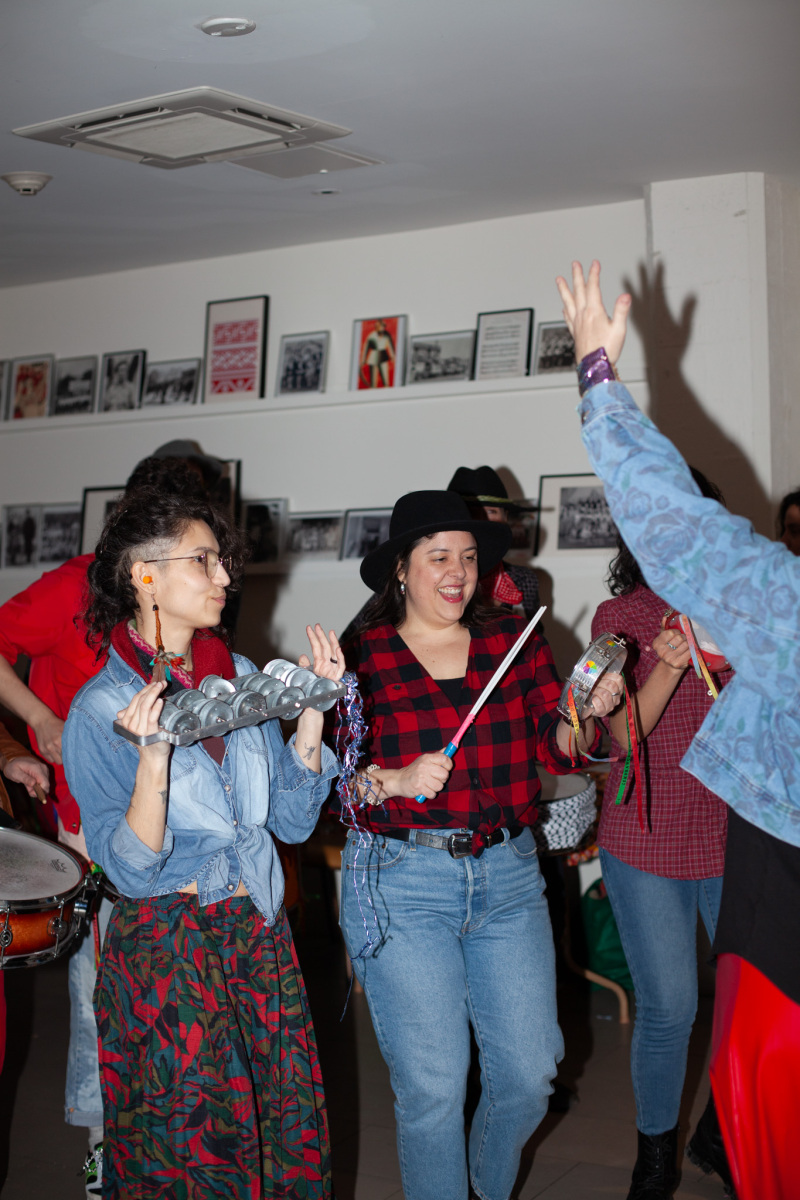
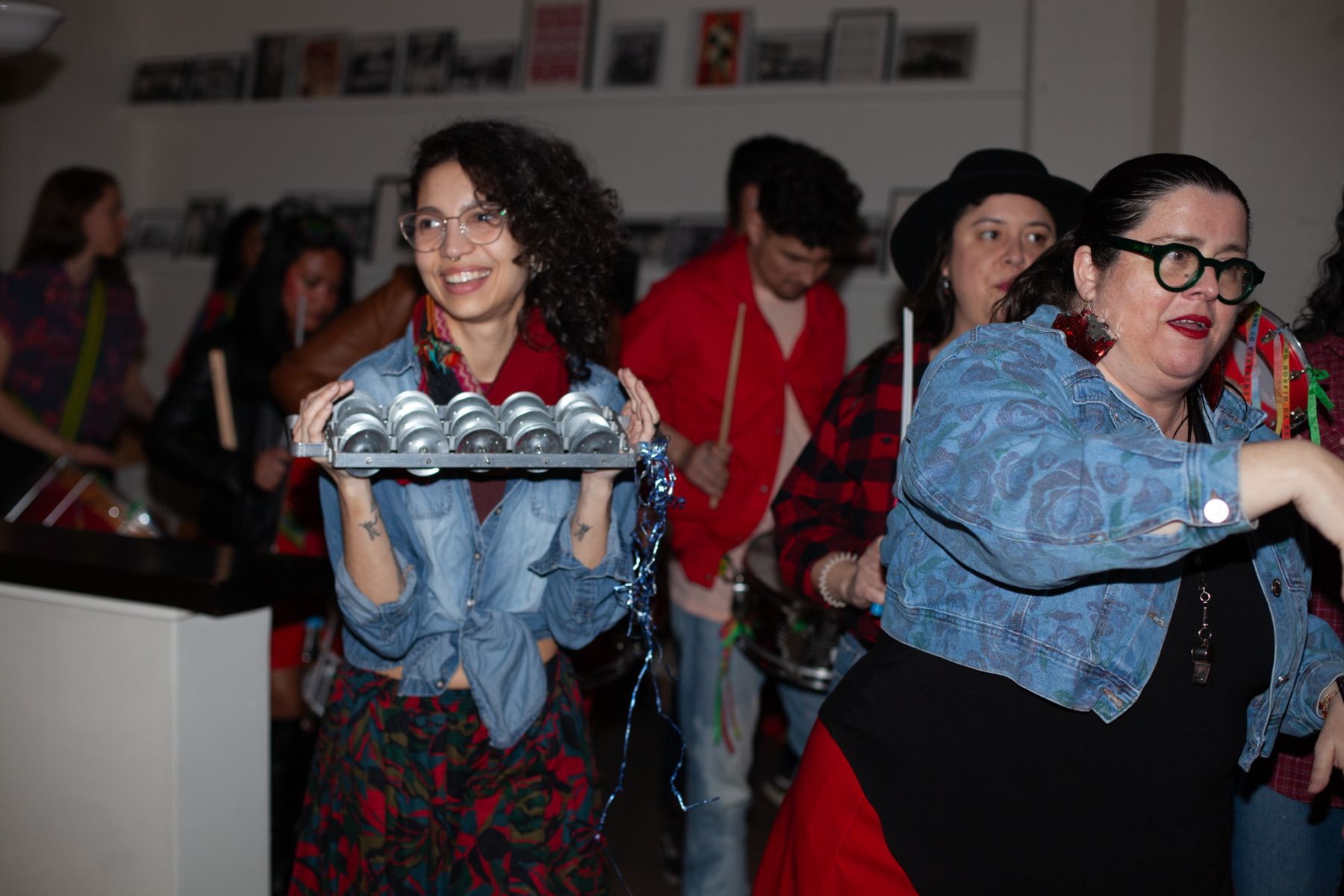
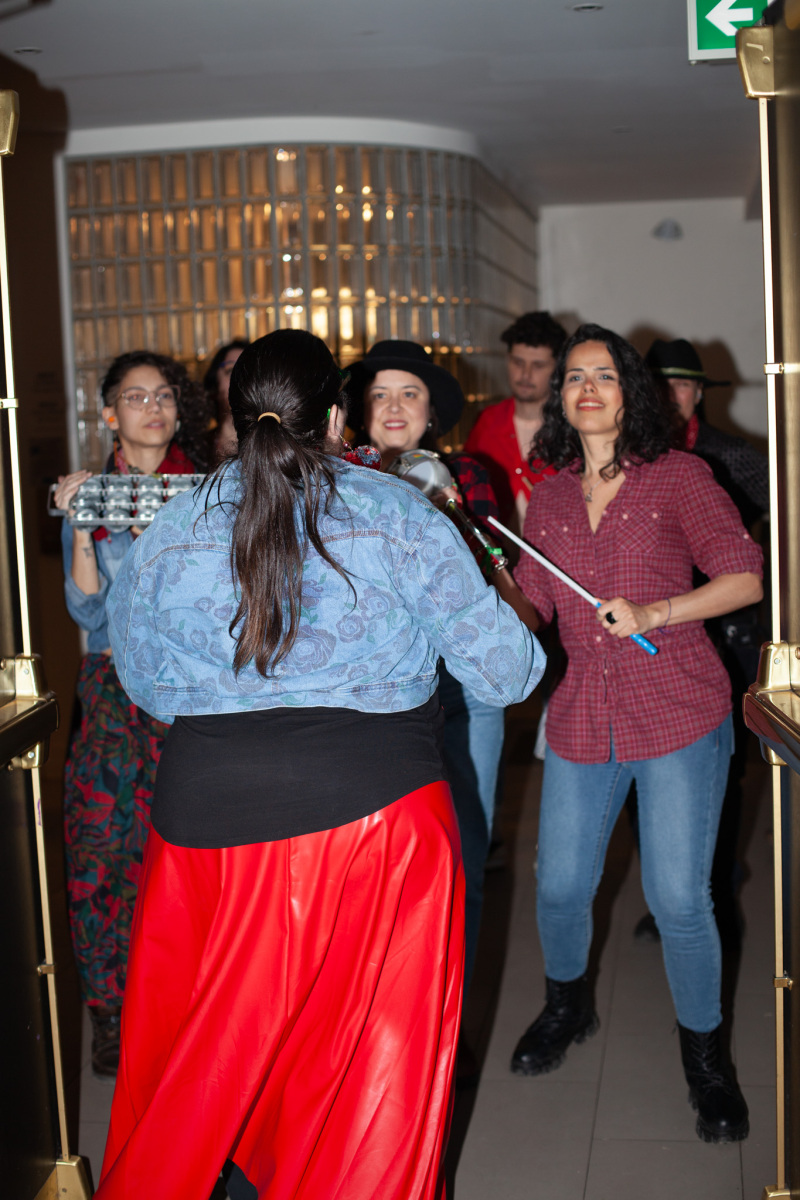
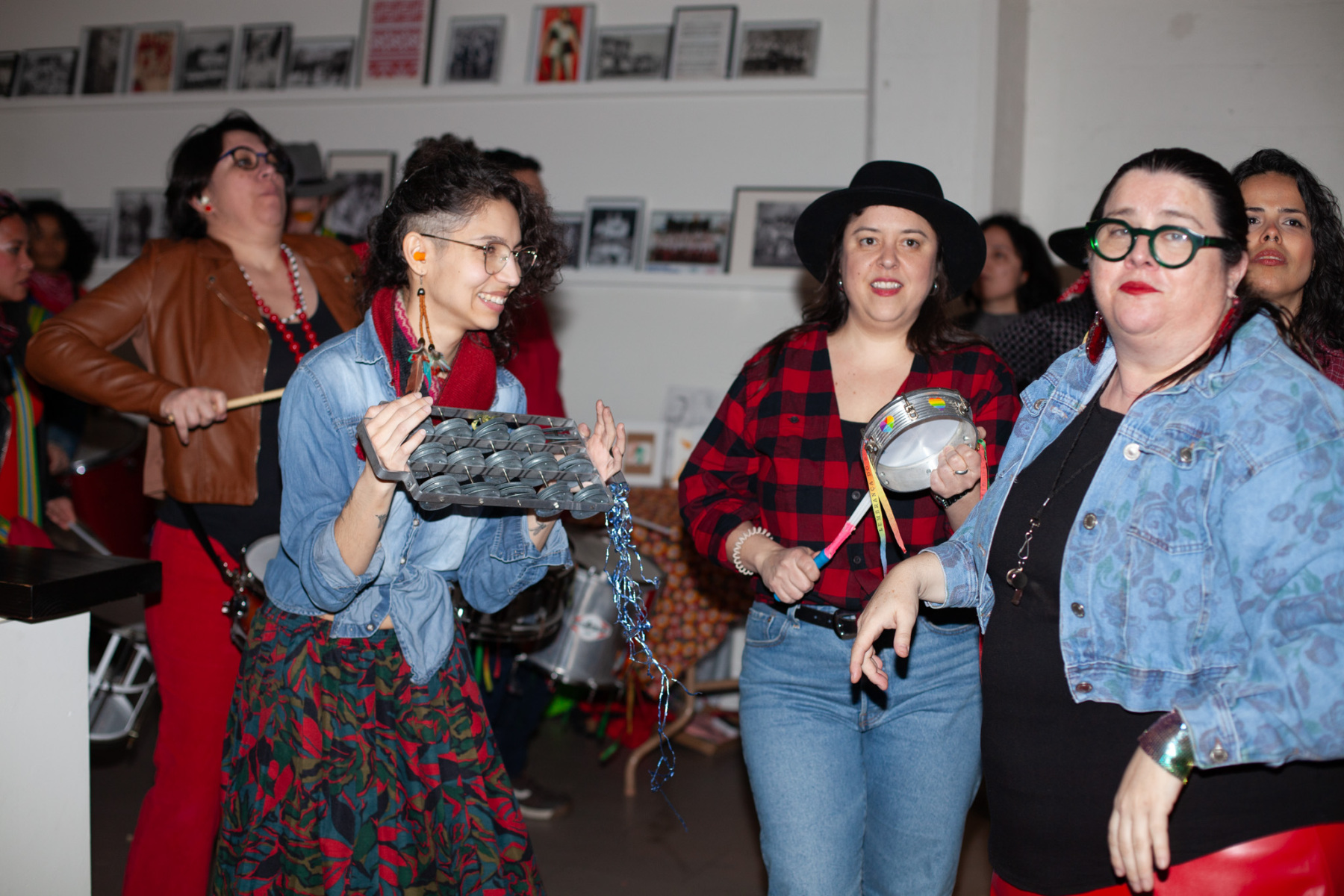
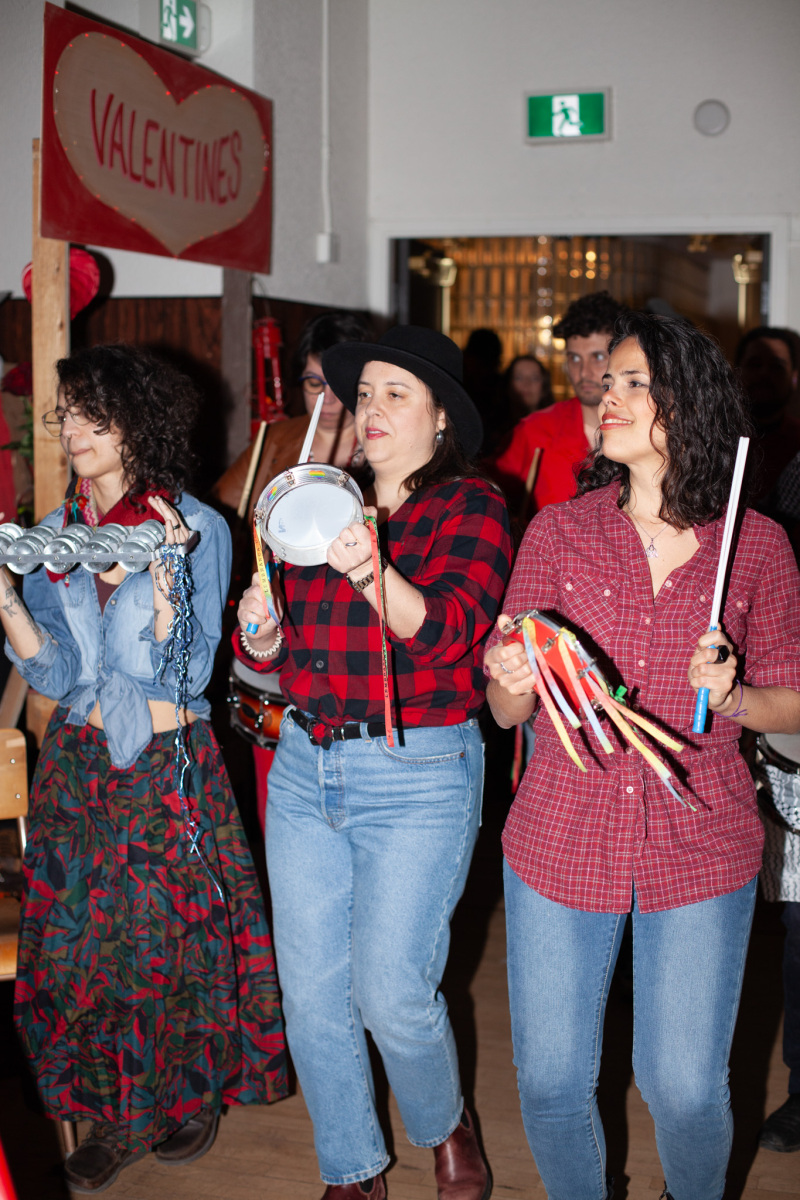
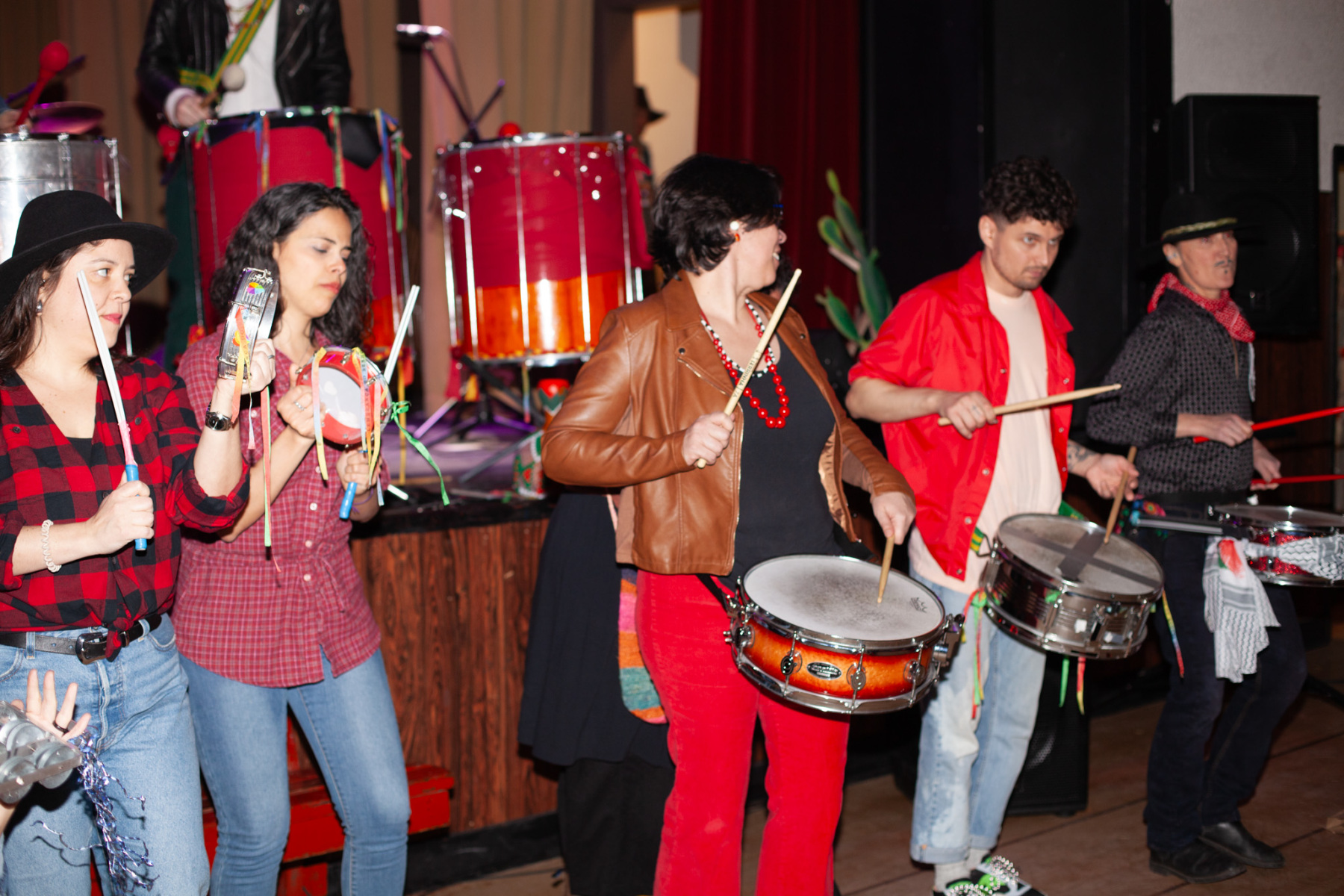
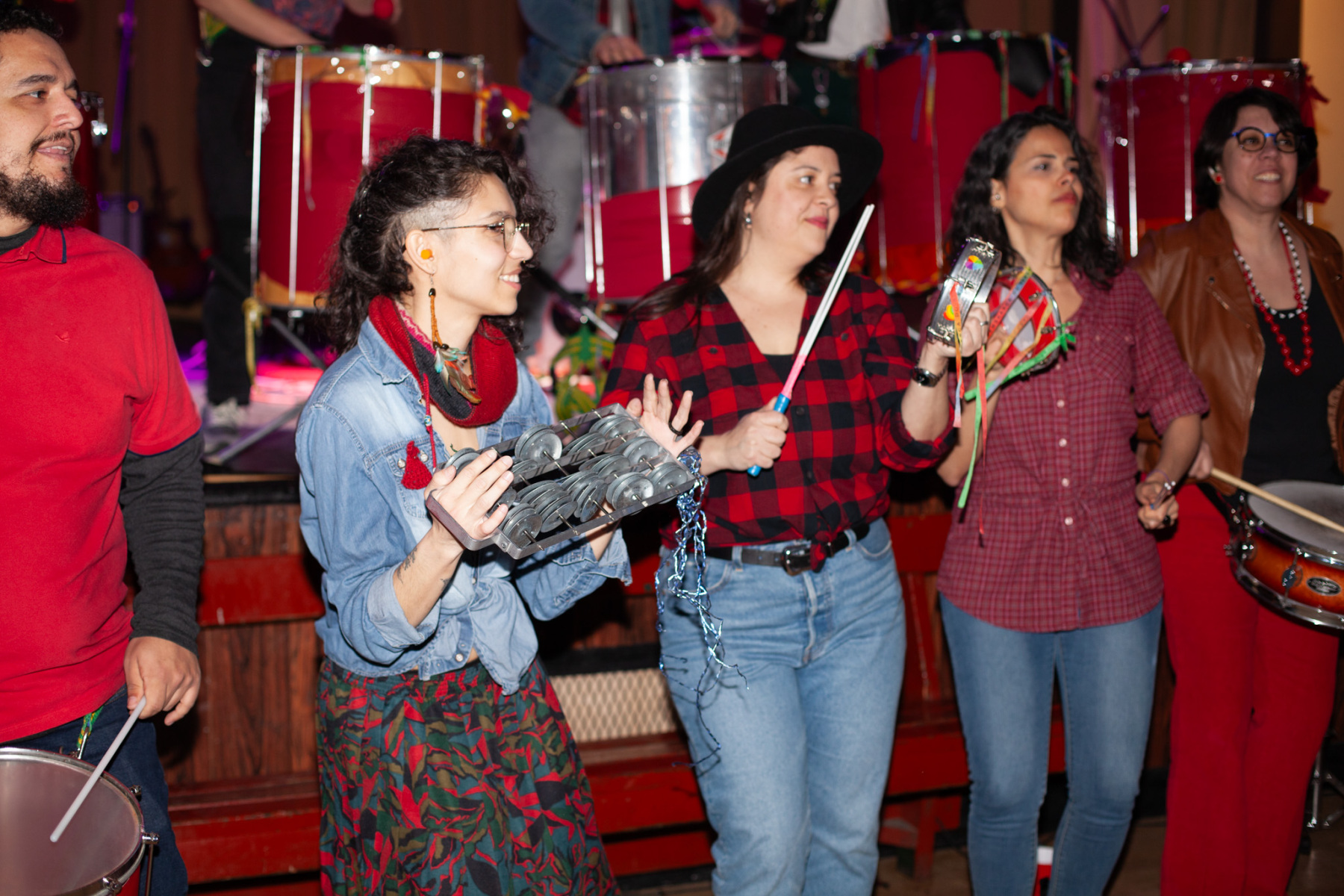
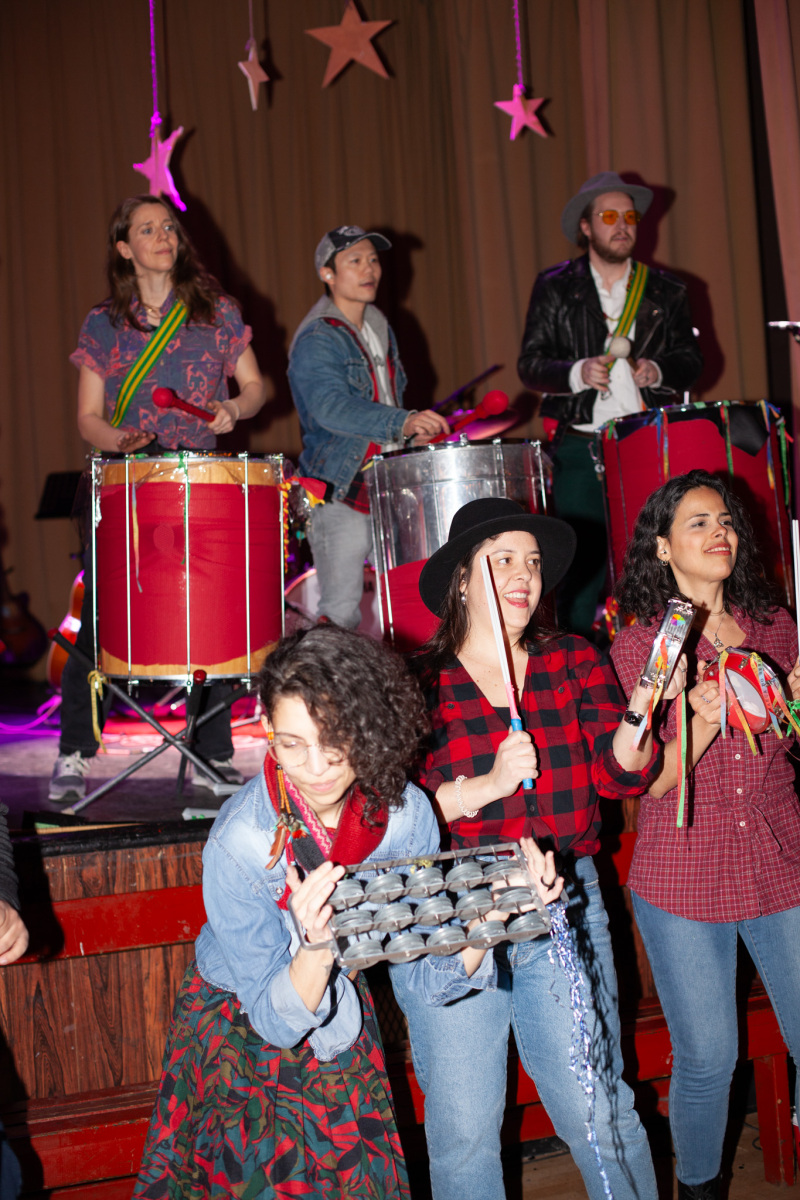
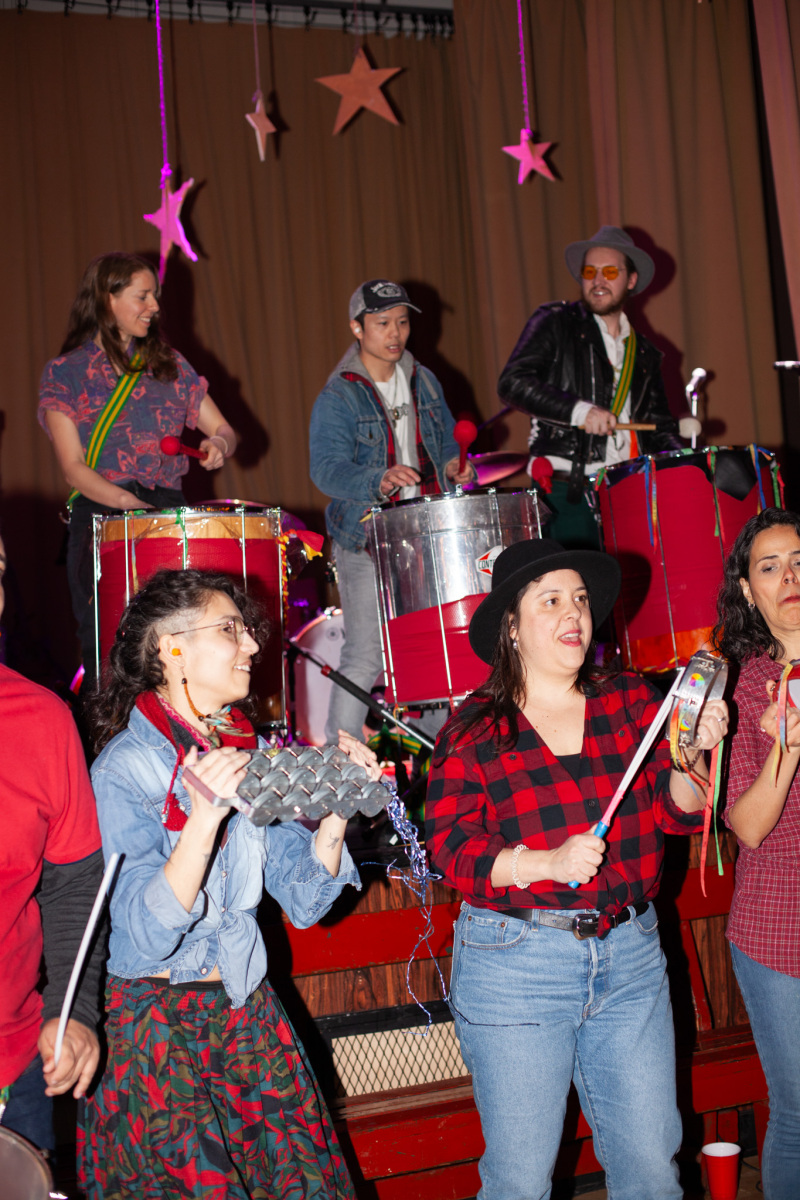
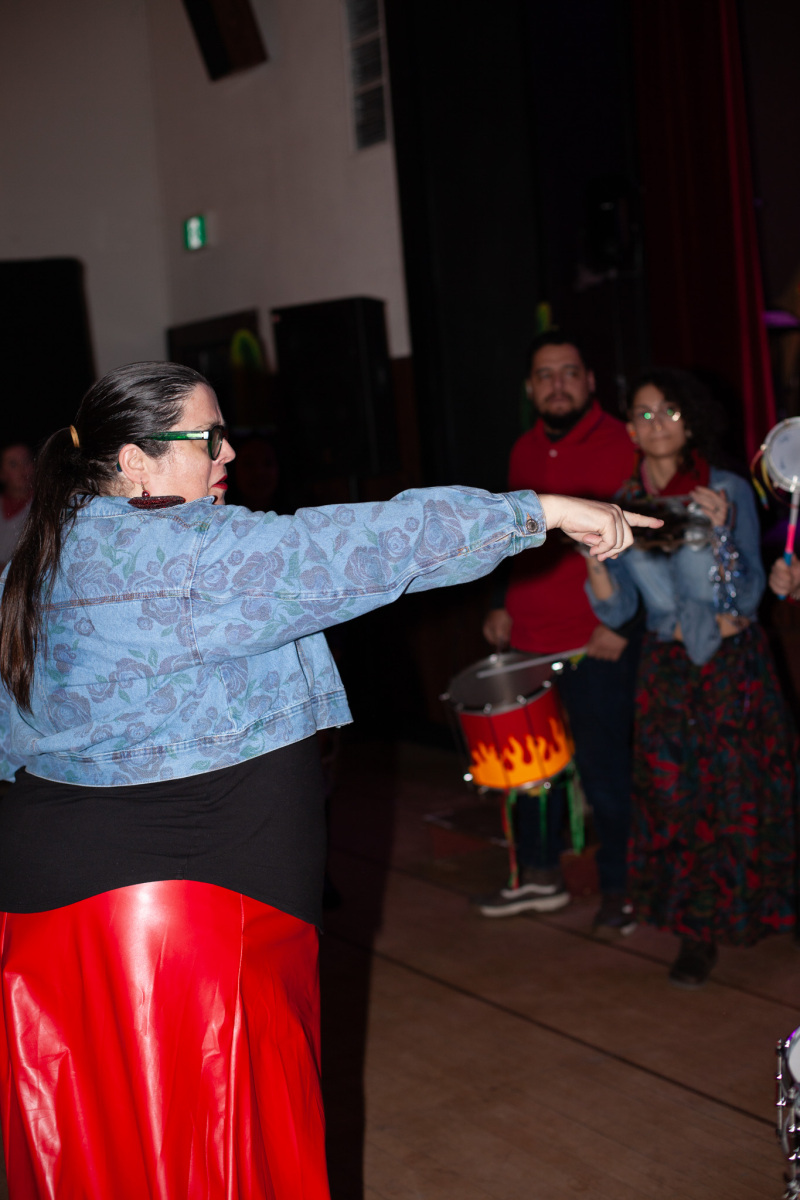
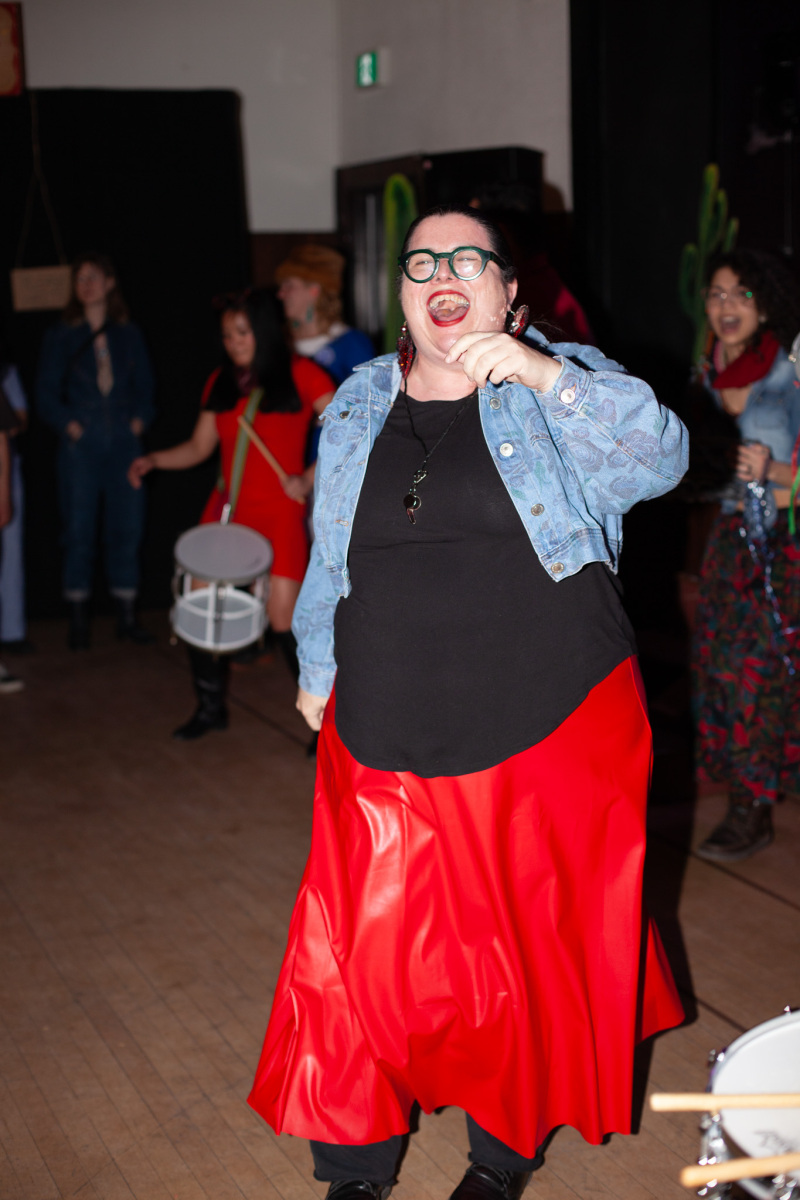
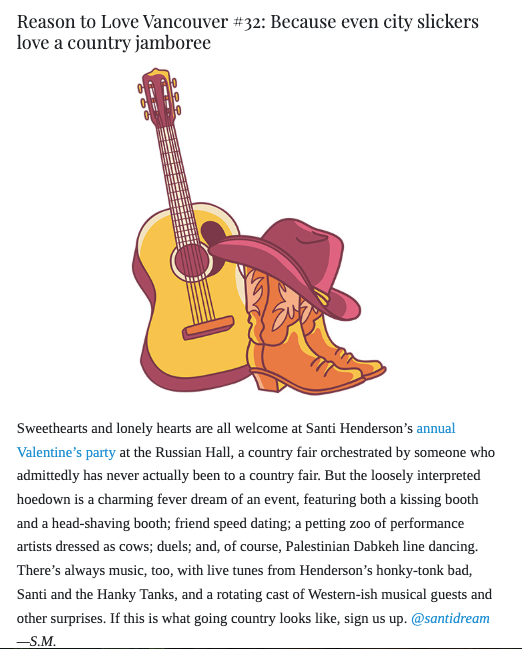
Hundreds of people have attended our county fair in the last two years that we have put it on. It has been written about in local media and it was named #32 (out of 33) reasons to love Vancouver by Vancouver Magazine. A short documentary about our 2025 version was released by local filmmaker Amanda Bordrup earlier this month.
I can’t express enough how much this show is a labour of love – we try to put everything that we have and can give into the show. We work so hard to make everything affordable and accessible for anyone to attend. Our hope is that when you are at the fair you will feel a sense of abundance, freedom, and generosity.
The County Fair and Brazilian Carnaval
I am originally from Brasil, and it has always been meaningful to me that Valentine’s often overlaps with Carnaval. Carnaval is a season in Brasil of suspension of normal social life to make place for a sacred play season. The deep and beautifully layered cultural phenomenon that is Carnaval evokes practices that touch on history, politics, spirituality, performance, and collective processing of social norms and practices. It is a form of expression that seeks to make visible and bring to the surface issues, emotions, interactions, and rhythms. Through discipline and community, it is a reclaiming of spaces for joy through inclusivity, classlessness, and transformation, as well us using art, satire, parody, and music to express communal feelings with political connotations. It is an emotional release and resistance of the hardships caused by inequality, instability, violence, and economic stress. It is pure expression and the collective opposition to censorship. Carnaval is a reclaiming of freedom, reclaiming of the body, rewriting history, occupying public spaces, and protest. We strive to bring all these values to our county fair.
It’s clear to me that country music, when looked at through a sociological lens, has some functional similarities to Brazilian samba. They are both working-class popular art forms that spread across a country while historically representing the oppressed, the outsider, the marginalized. They are both made by and serve as lyrical storytellings of the lives of people with little political or economic power. They are expressions of survival, community bonding, cultural memory, and resistance to erasure. Both were, and sometimes still are, seen as low-class and dangerous. And they both have been depoliticized and commercialized, removed from their original communities, sanitized, and appropriated for state and corporate hegemony and propaganda.
They also have lots of differences. While Samba performs joy, resilience, Black pride, community strength, and urban belonging, Country espouses masculinity, rural toughness, simplicity, claims to honesty, and morality. This is something that our county fair looks to examine and point at, from an outsider’s point of view. While country historically represented farmers, veterans, workers, migrants, and poor whites, Samba represents Afro-Brazilians, favela residents, and marginalized youth. But in the end, they both create spaces where excluded groups can gather and have a voice.
Admittedly, I have never been to a county fair. I have also only been to Carnaval as a child, as I left Brazil when I was eleven and haven’t been able to return to Brazil during Carnaval season. Ironically, now that I’ve been working on the county fair, it has become impossible for me to go back since they happen at the same time! While in university in 2022 I began researching the origins of Carnaval and was surprised to find out that it was originally a pagan tradition appropriated by the Catholic church. As it developed through a Euro-centric lens, it became a vehicle commonly used to ridicule minorities and non-European populations using common racist tropes. But in Brazil, something marvellous happened: Carnaval became a joyful form of anti-colonial, anti-slavery, and survival expression. Although I am not expert in Carnaval, I made a film that was a meditation and visual representation of the discoveries I came across when I was negotiating Carnaval as a traditional European tradition being flipped into a anti-colonial festival.
Booths and Artists – The 2026 Love and Country County Fair
The Loveletter Post – Valentine’s Messaging System
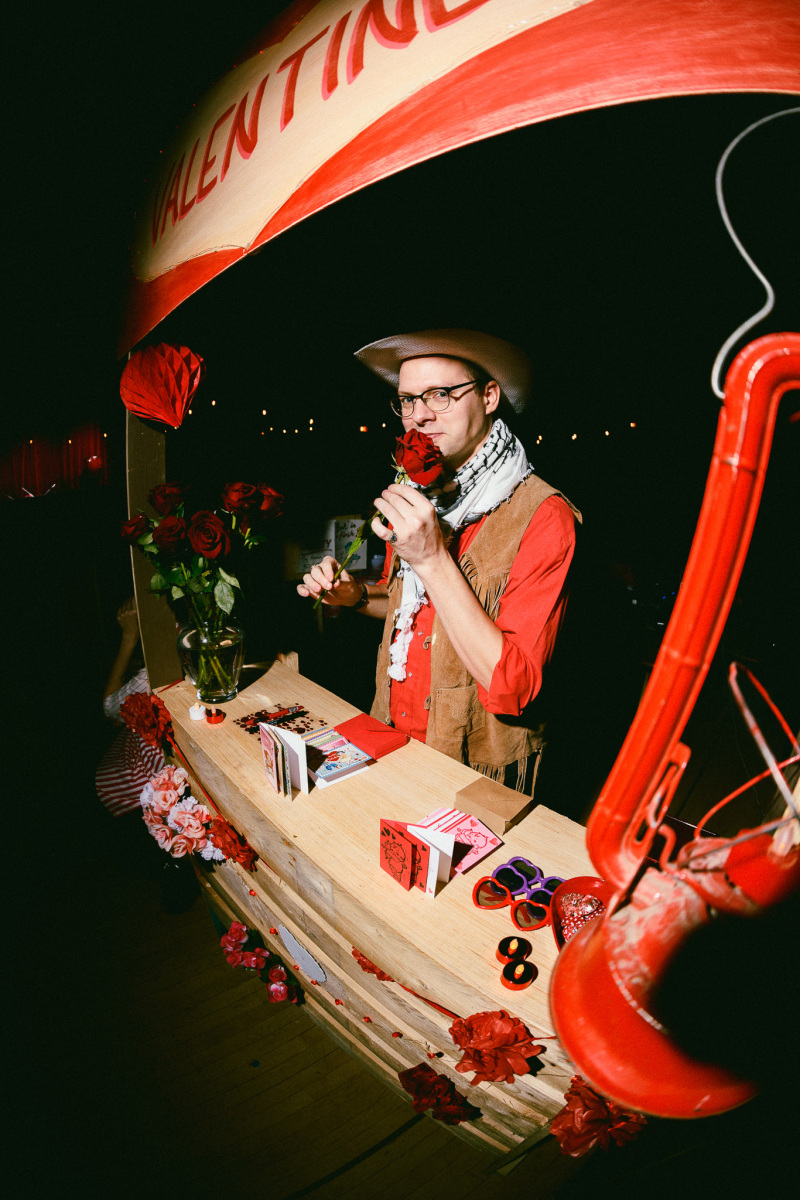
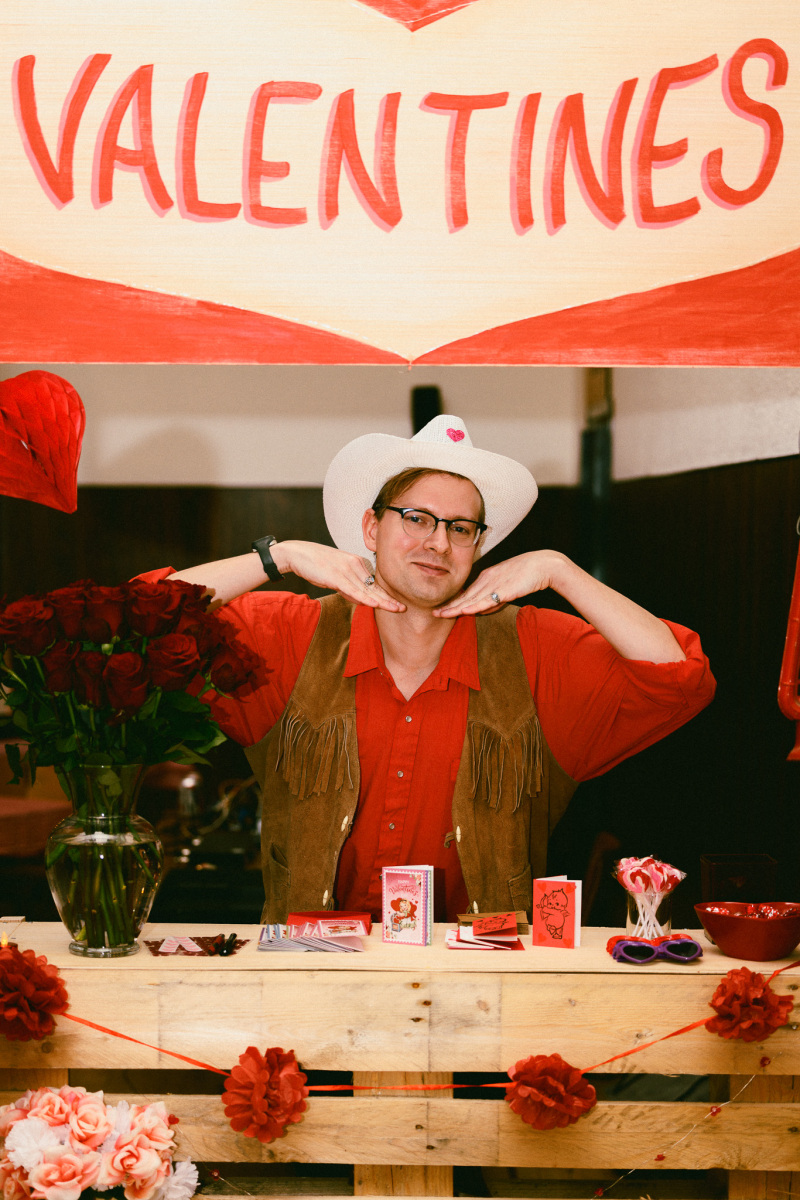
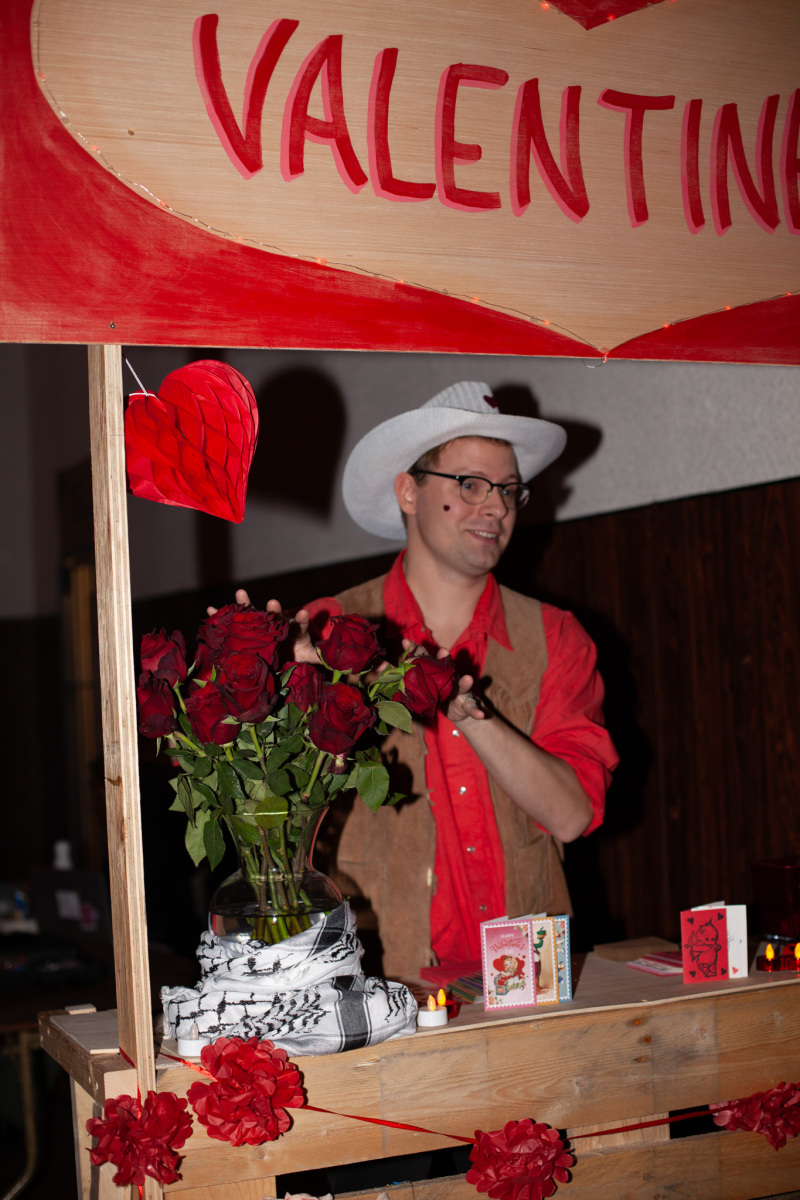
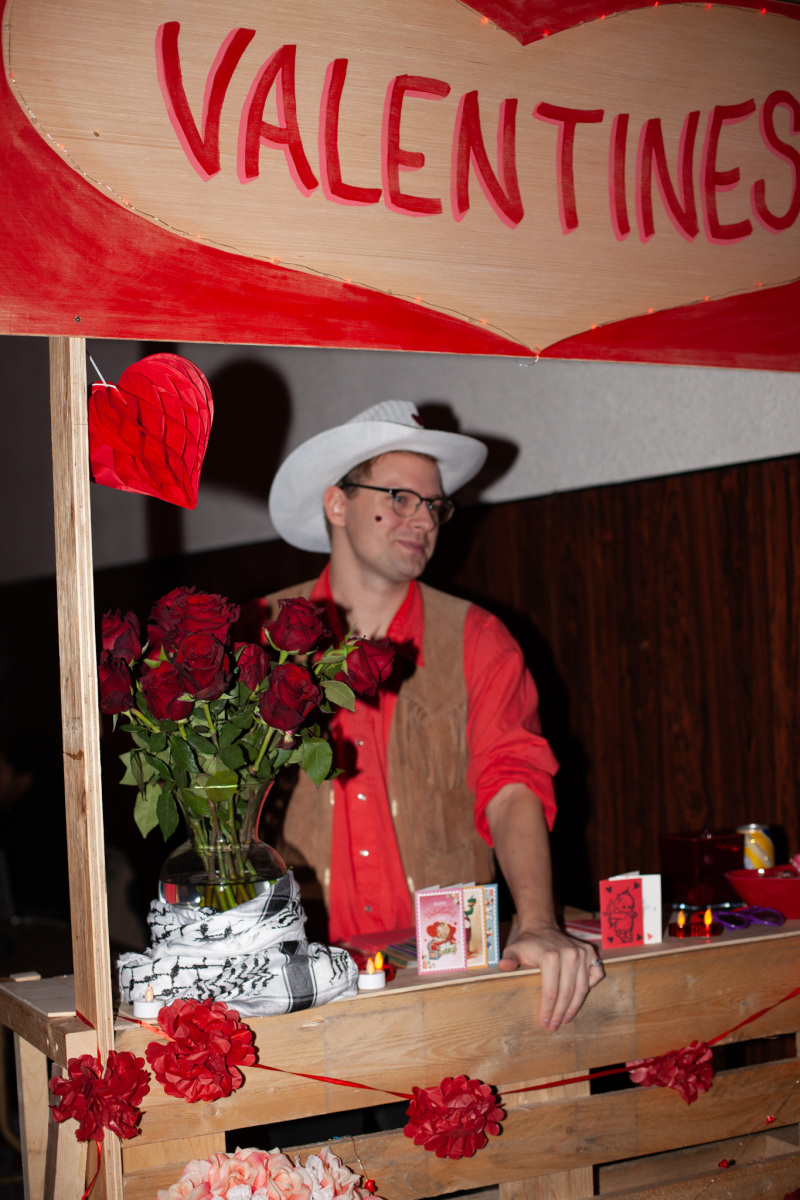
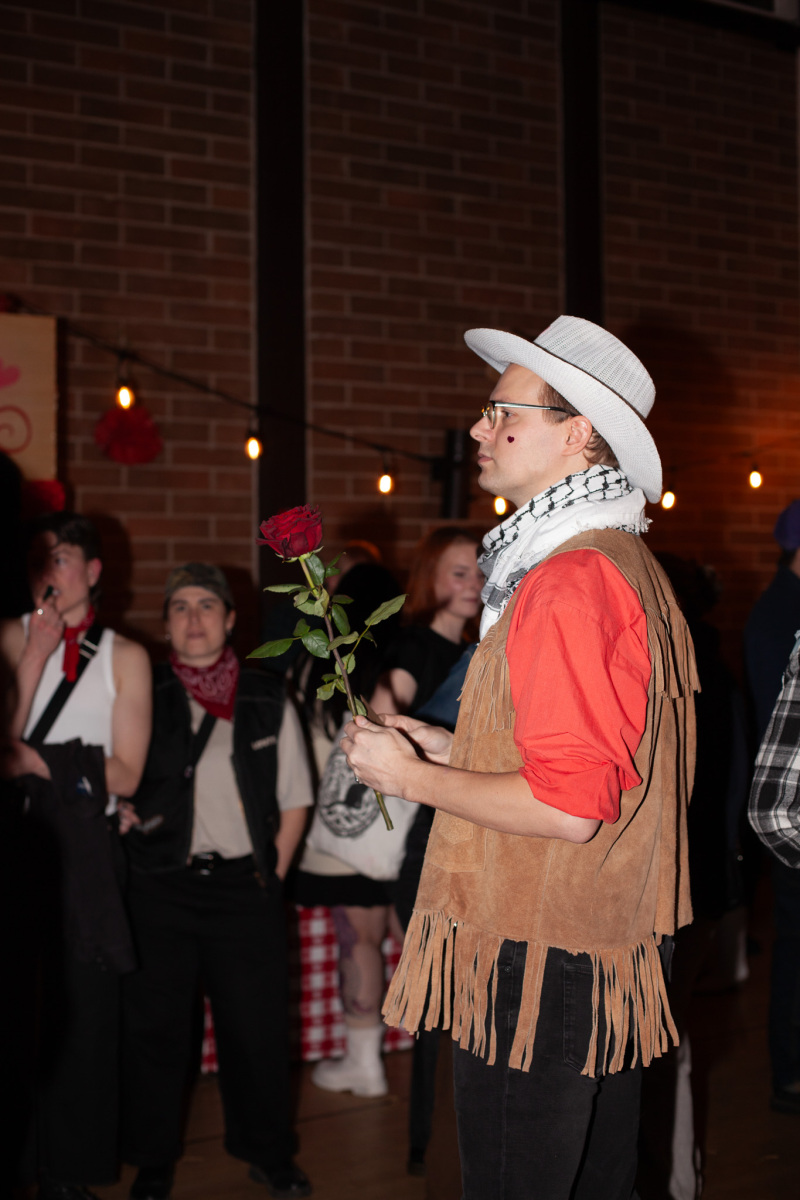
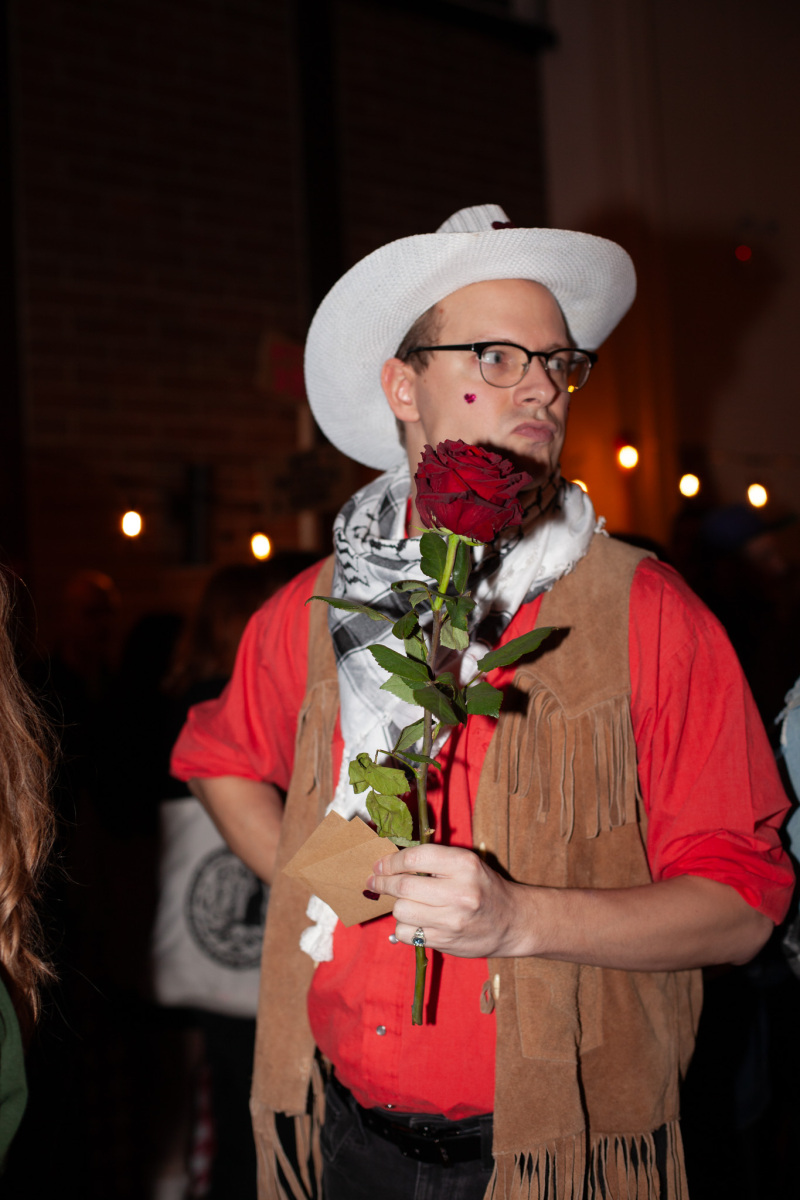
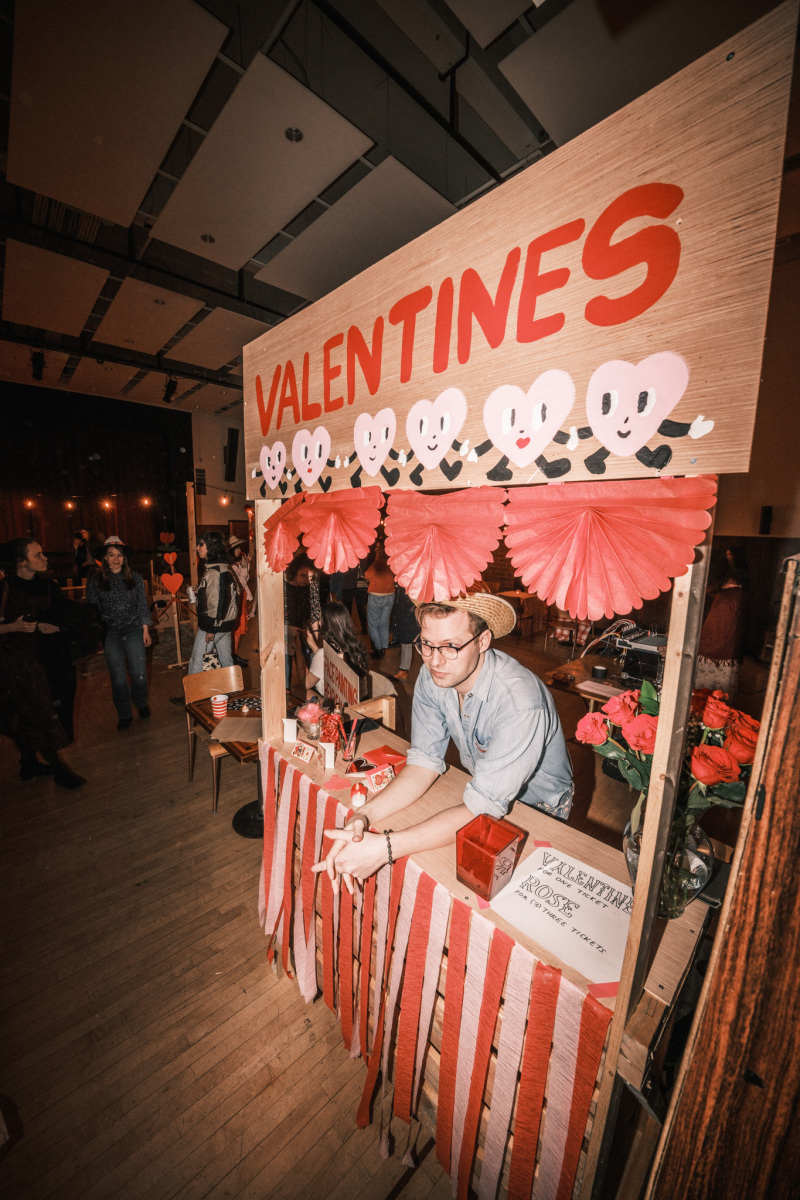
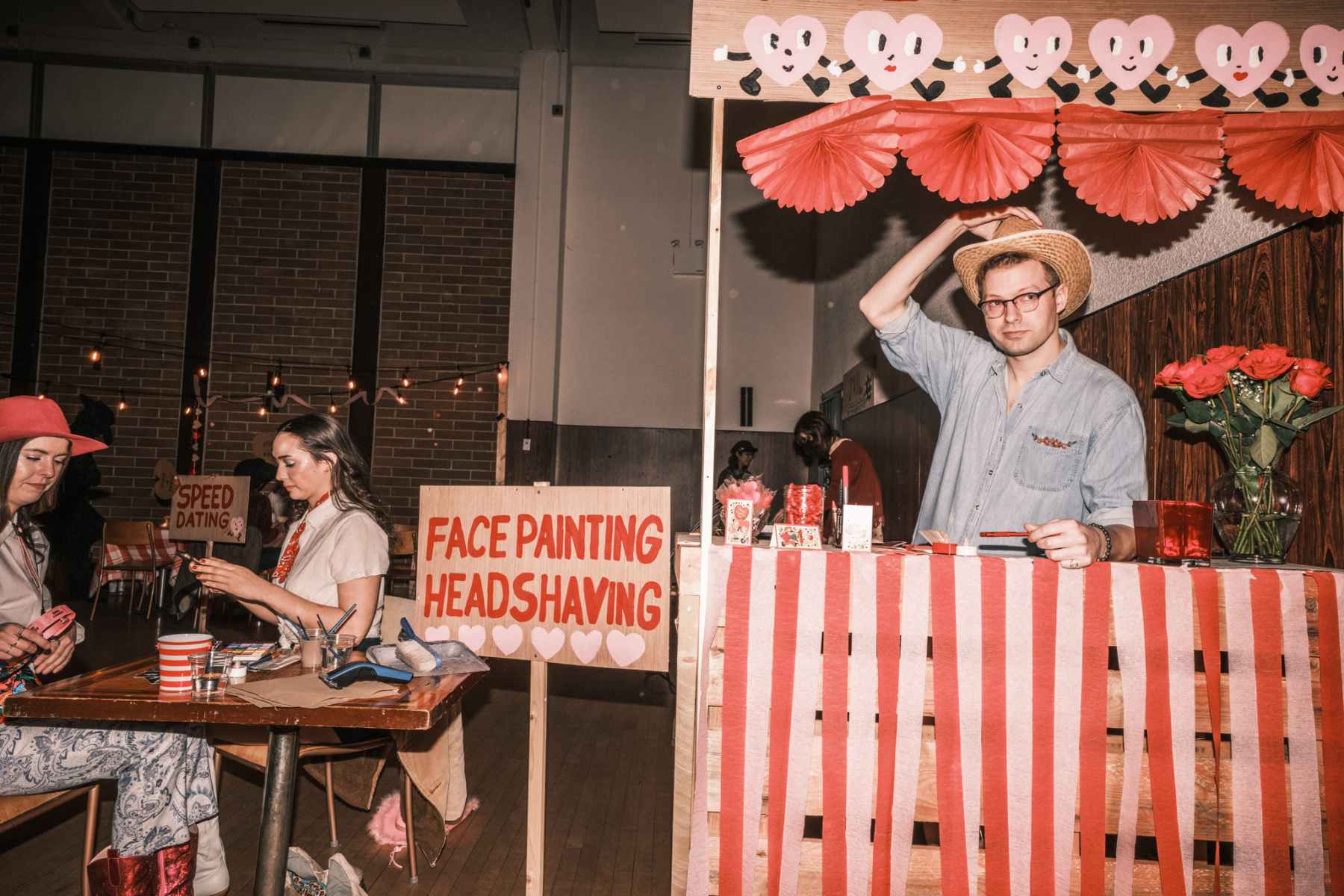
The Valentines Booth historically is the face of the fair — the first thing someone sees when they enter the world — and Torien is there to give a good rootin’ tootin’ greeting. Got a lot of love in your heart and not sure how to “express” it? The Loveletter Post has got you covered! At this booth, you can write a Valentine for a special someone (romantic or platonic) here at the fair and a dedicated courier will anonymously deliver it to them in-person. Not much of a poet? No problem! Our Cupid-hearted courier doubles as a wordsmith and can write one for you with your stamp of approval. Sweeten the deal by adding a chocolate or a rose and make your crush blush redder than ever this year!
Leather Companion Toss
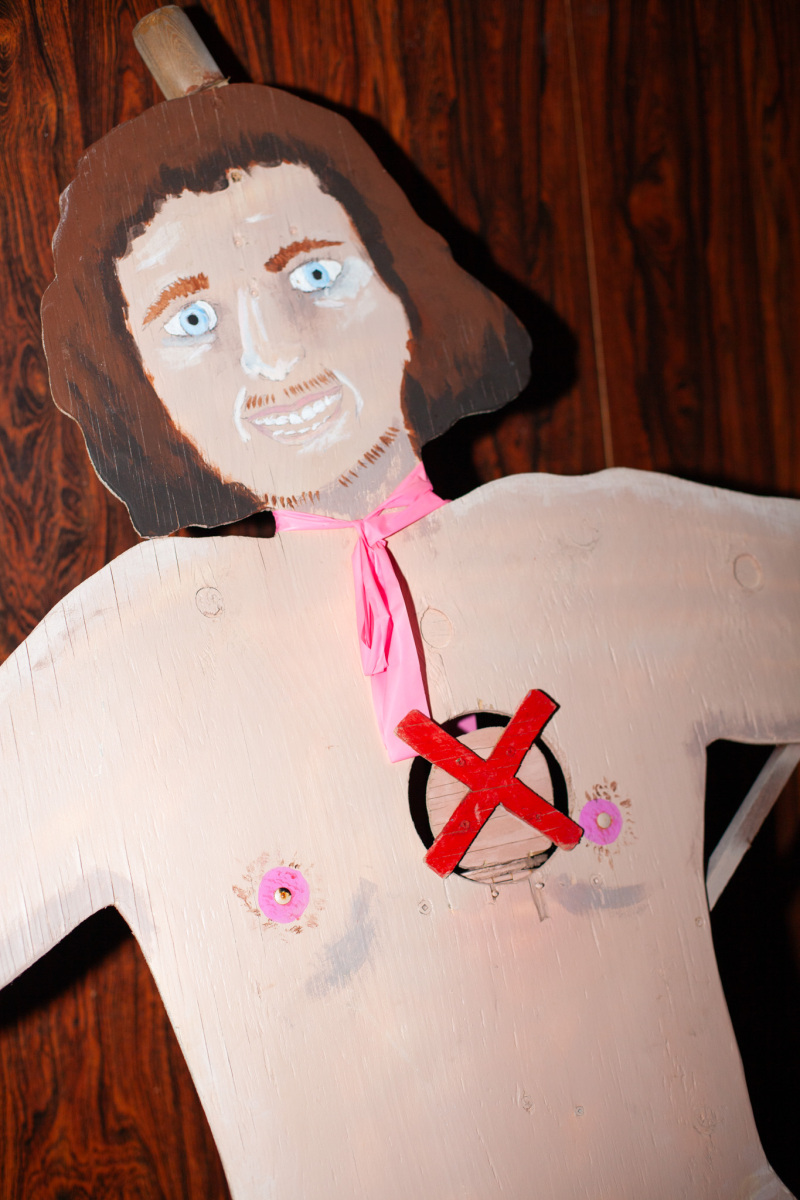
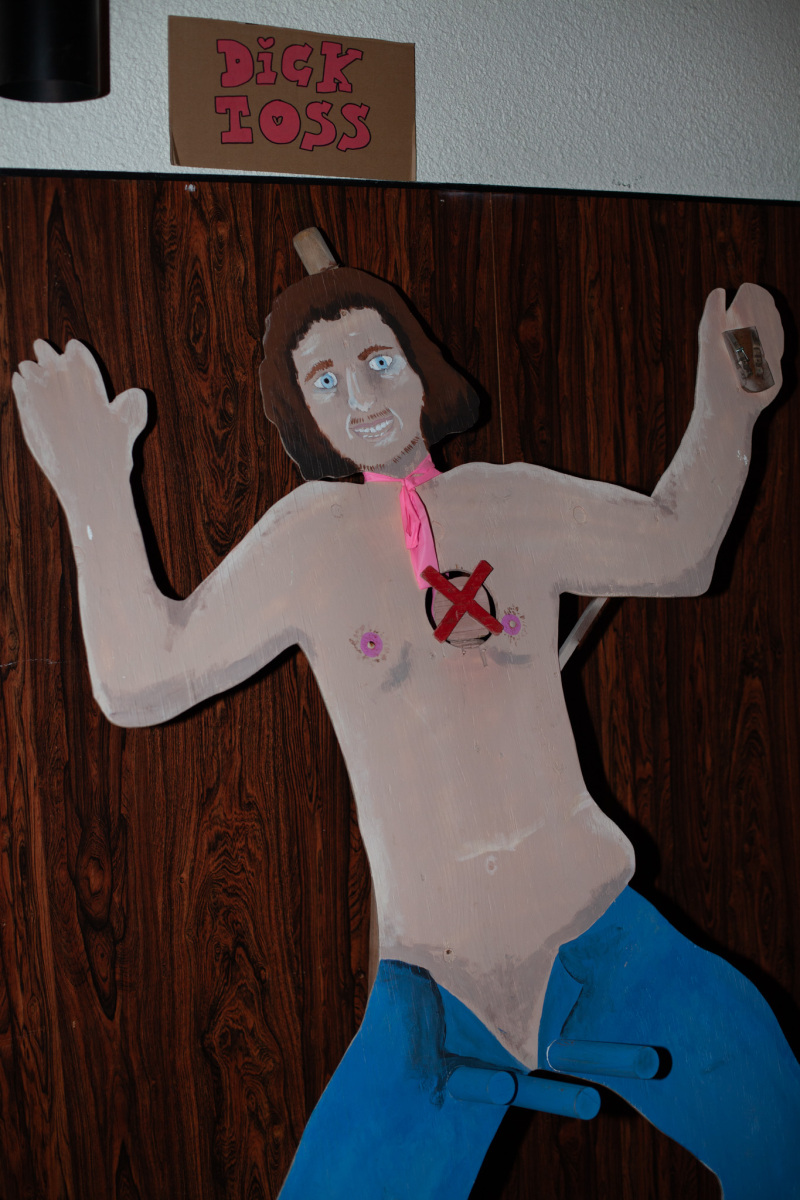
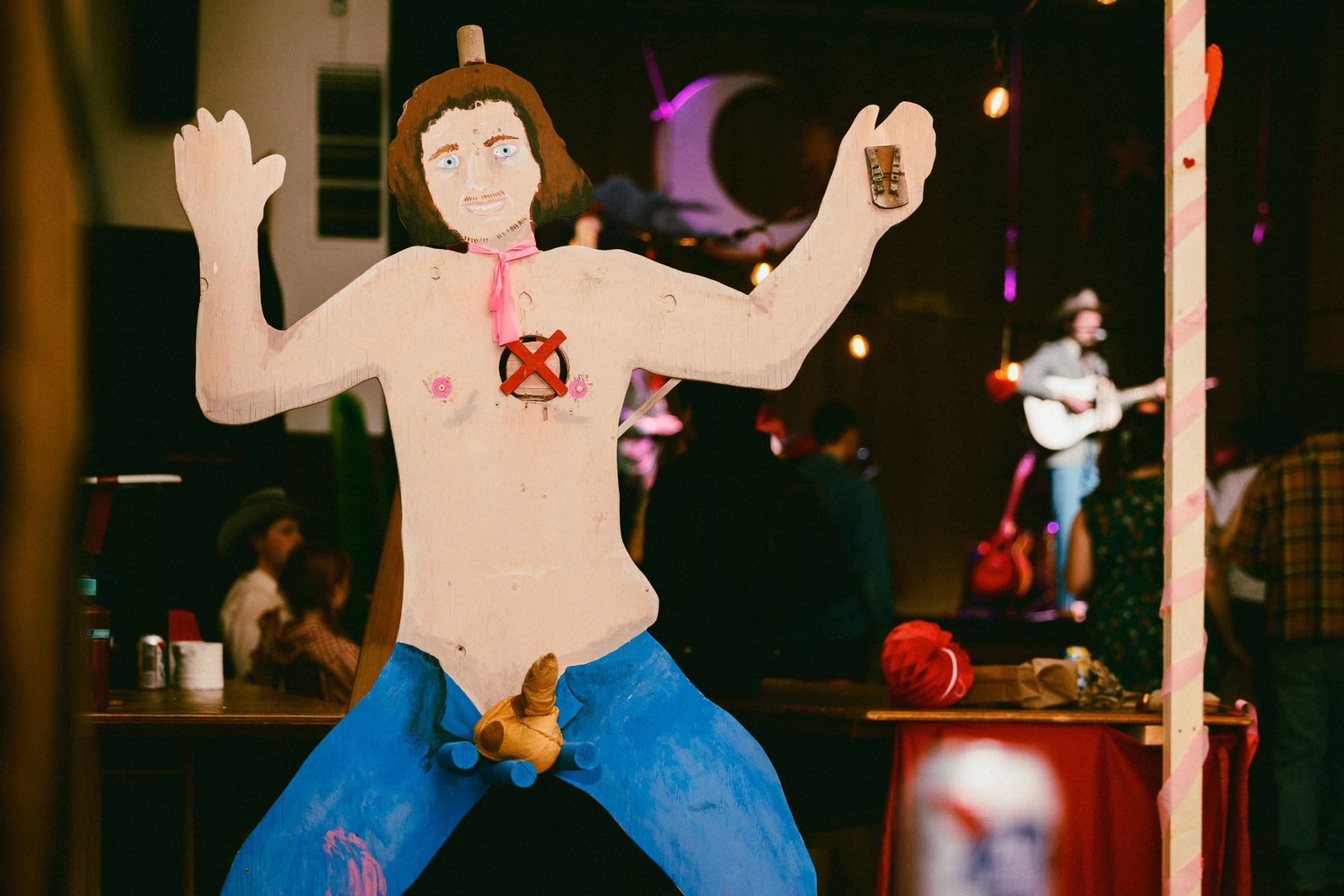
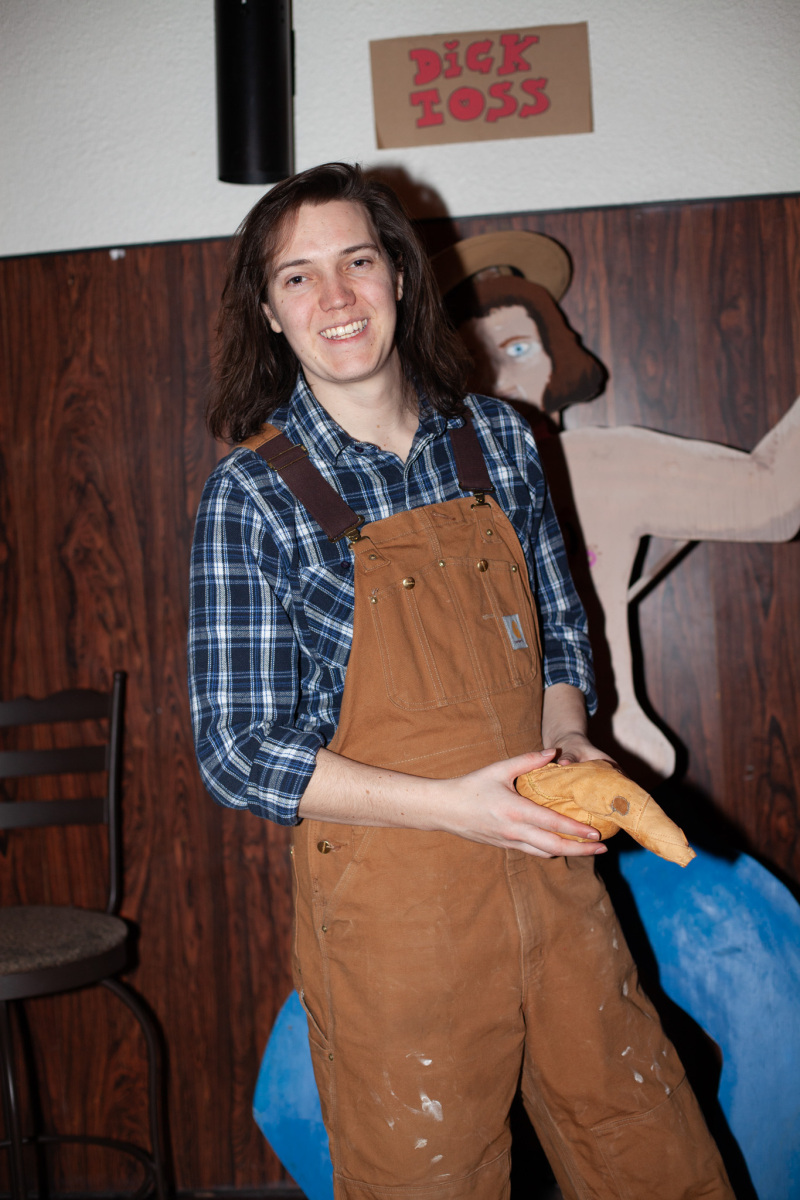
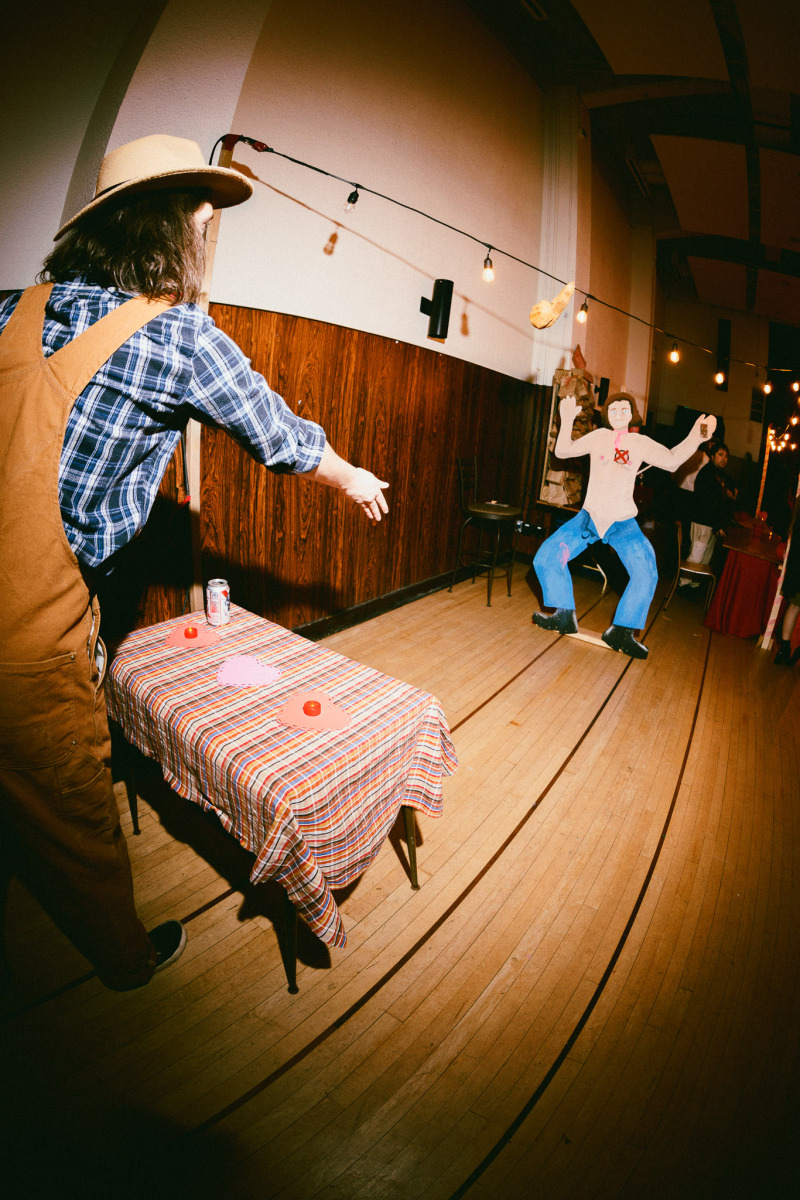
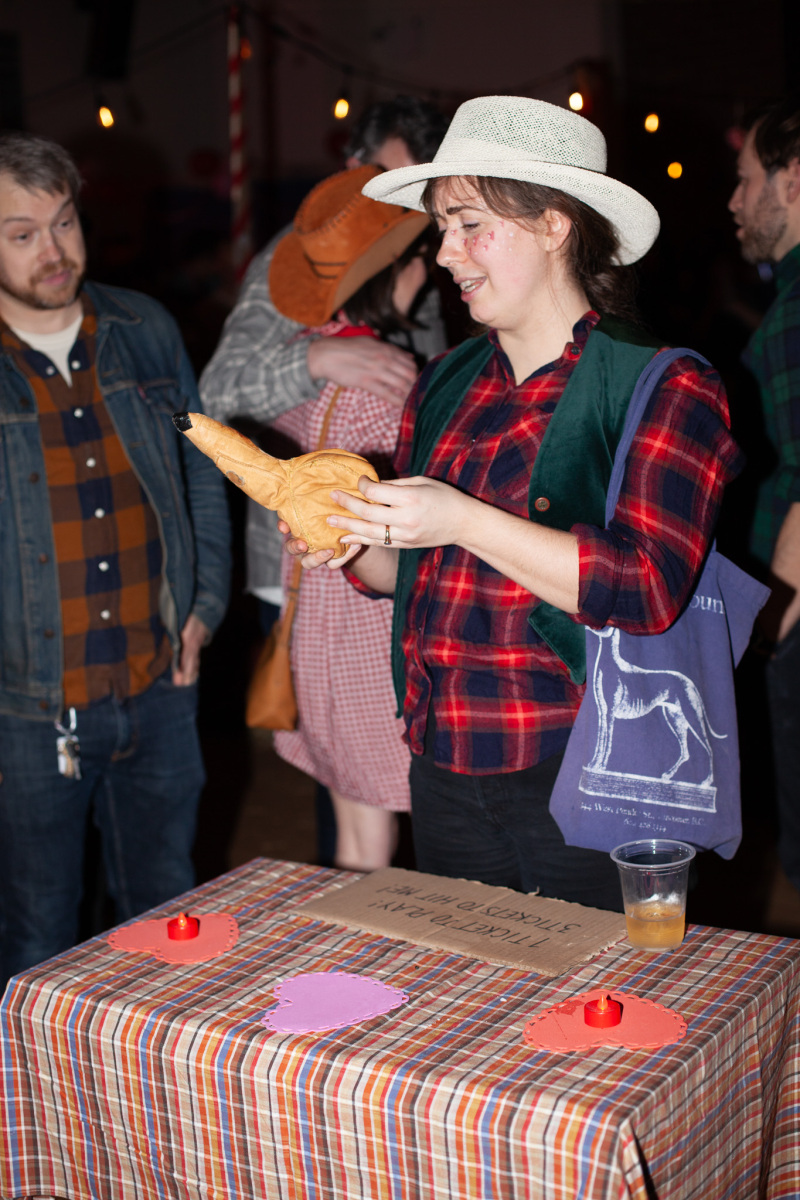
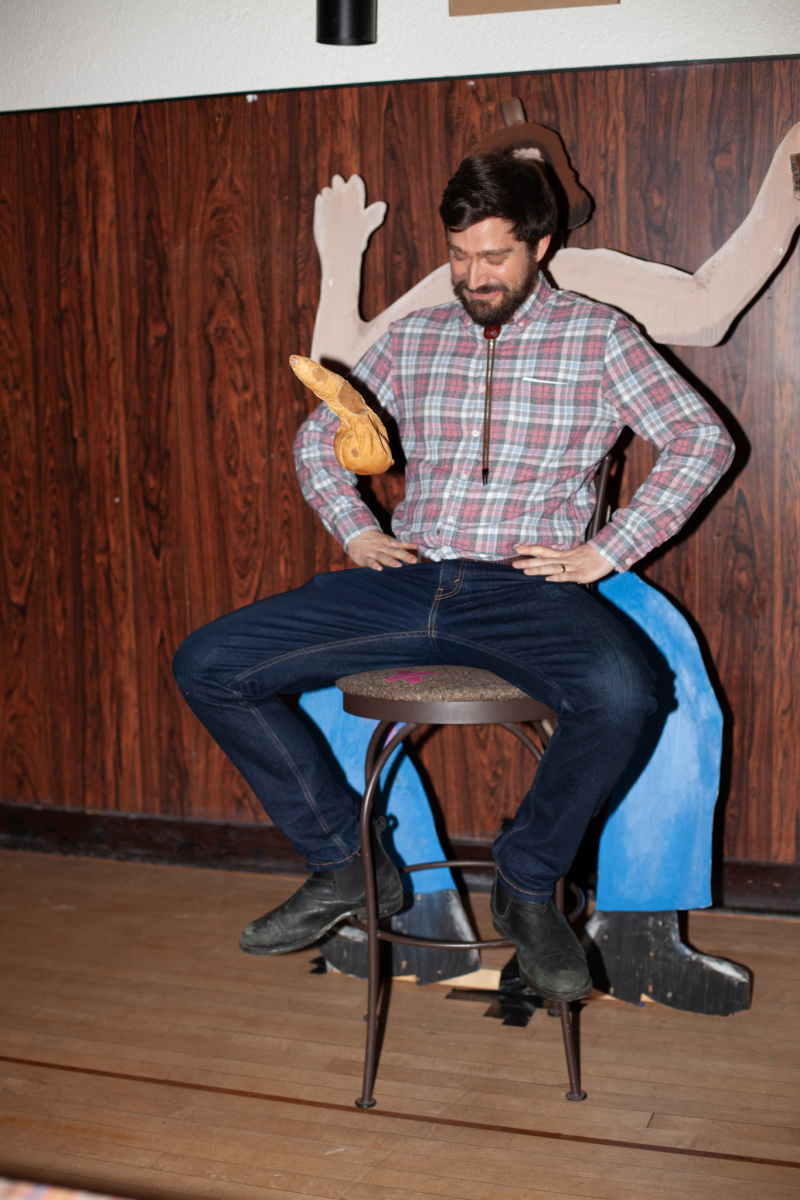
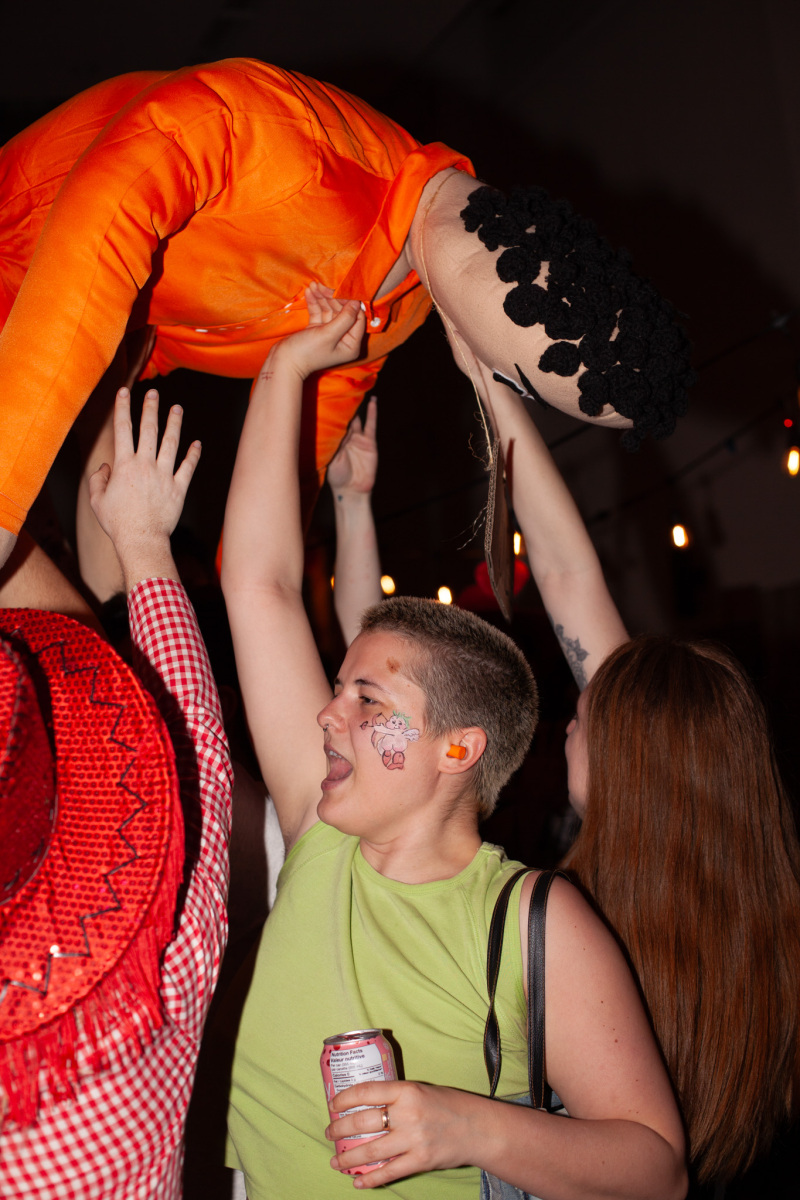
Originally designed as an interactive installation for the Otherworld 2024 Festival, the Leather Companion toss is a game that has found its permanent home at Santi’s Love and Country County Fair. The Leather Companion (patent pending) is made of leather and beans, and there are hopes that one day it could become the new fidget spinner or dinner party talking piece. For now, it’s a fun hands-on game where those who choose to try their luck can try to land the companion on the cutout of Damien, the wooden version. If you land all three of your shots, you can even ask a friend if they would like to take Damien’s place!
Face Painting/Head Shaving
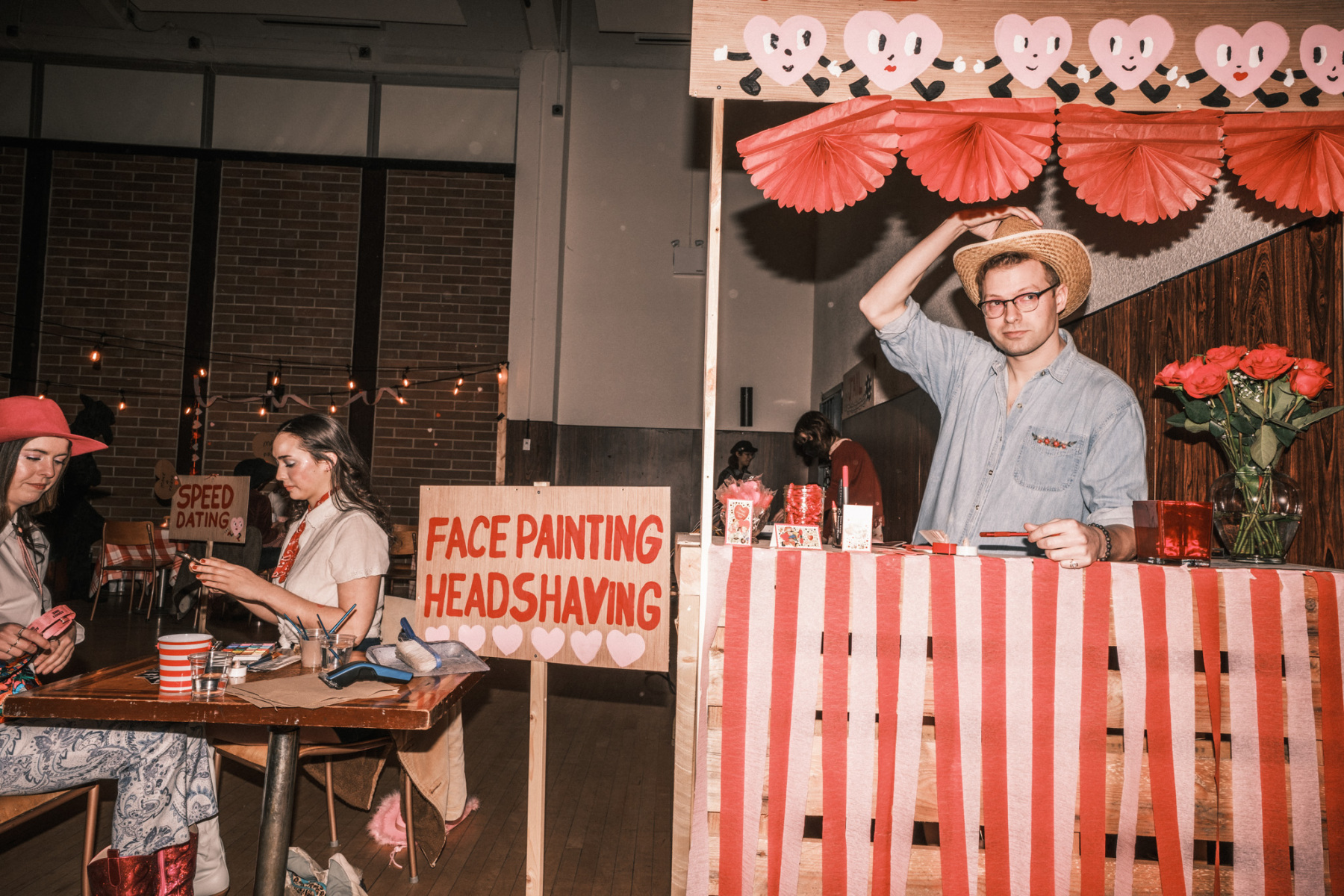
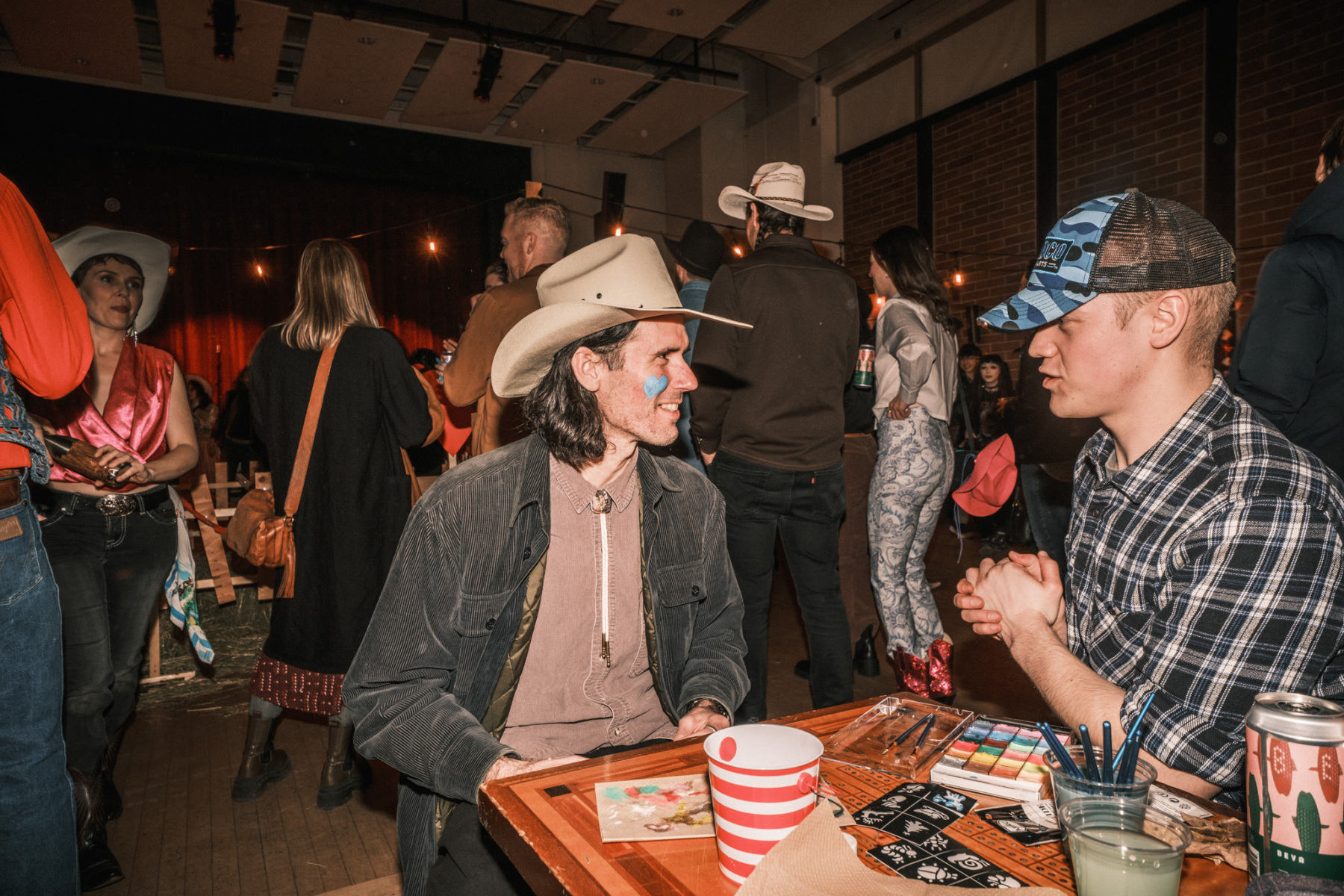
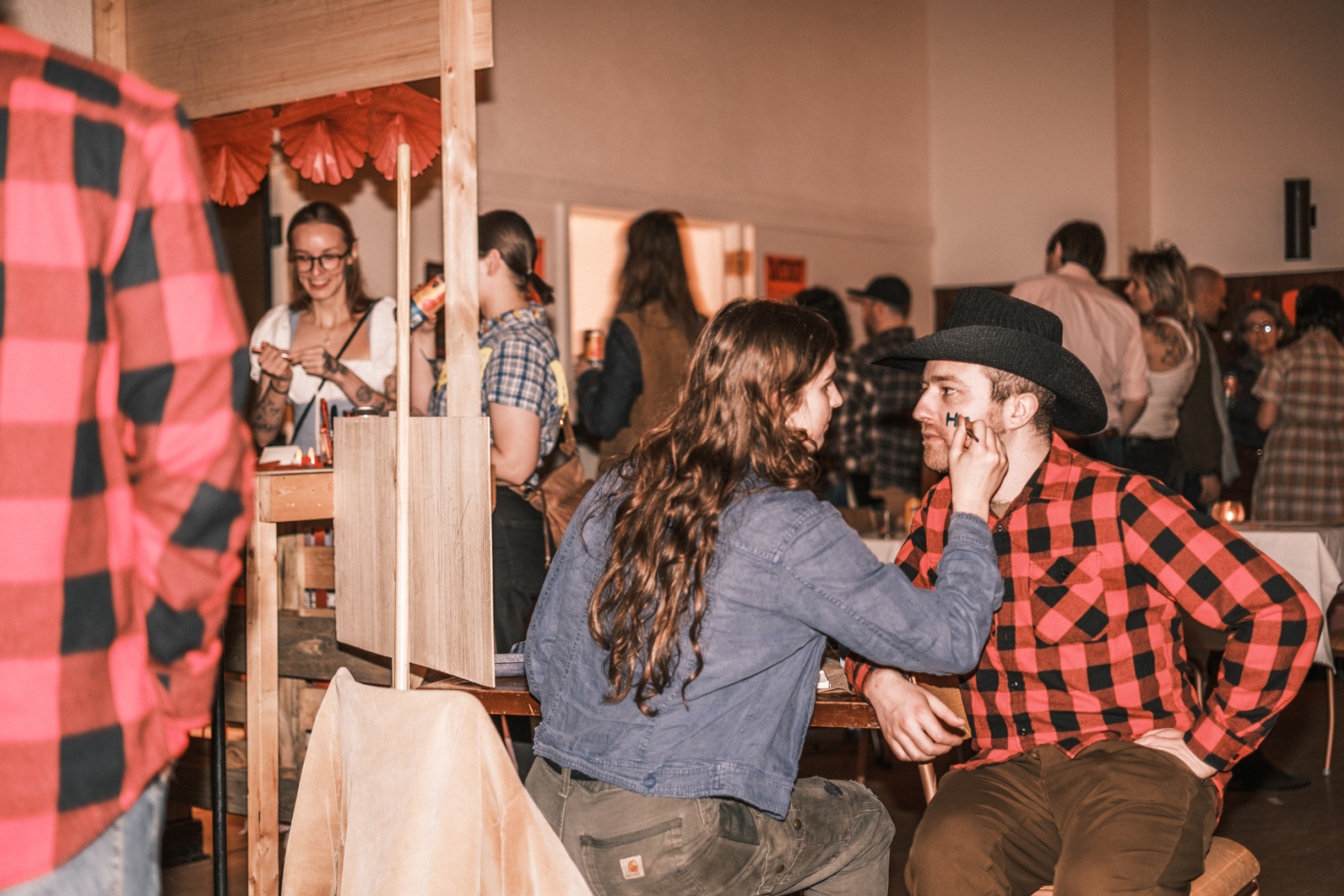
Caricatures and Drawings
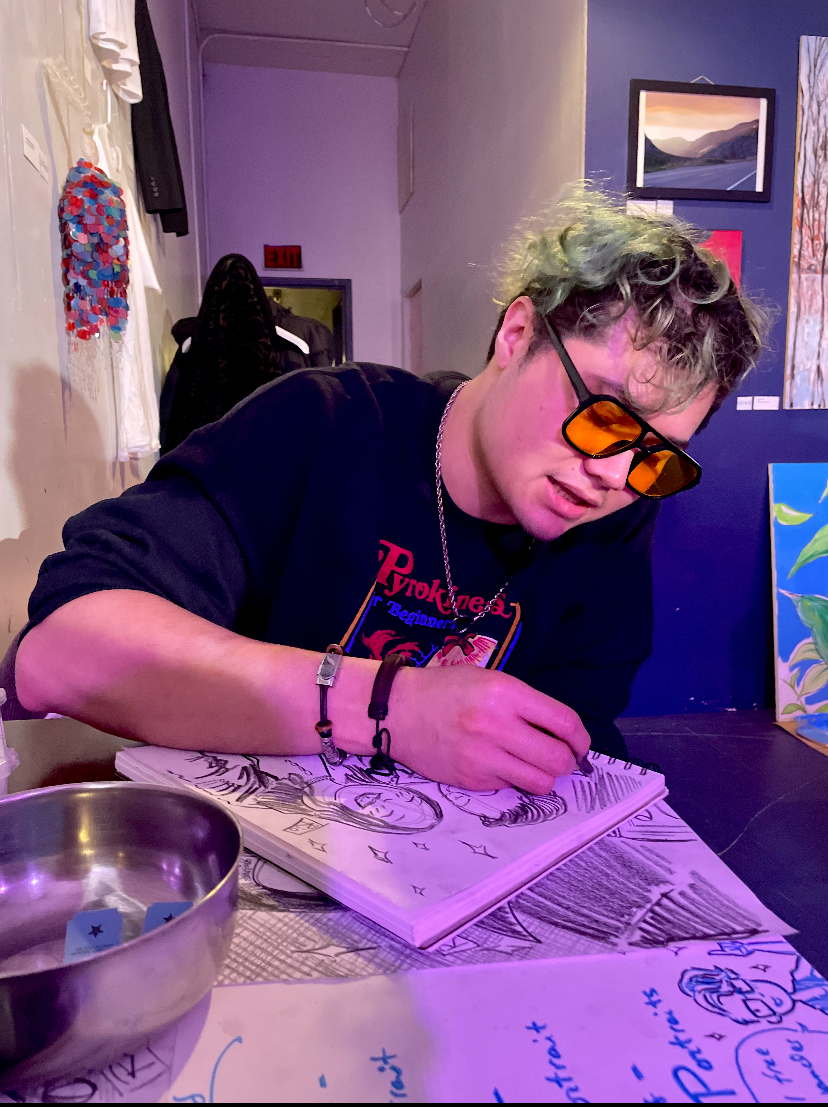
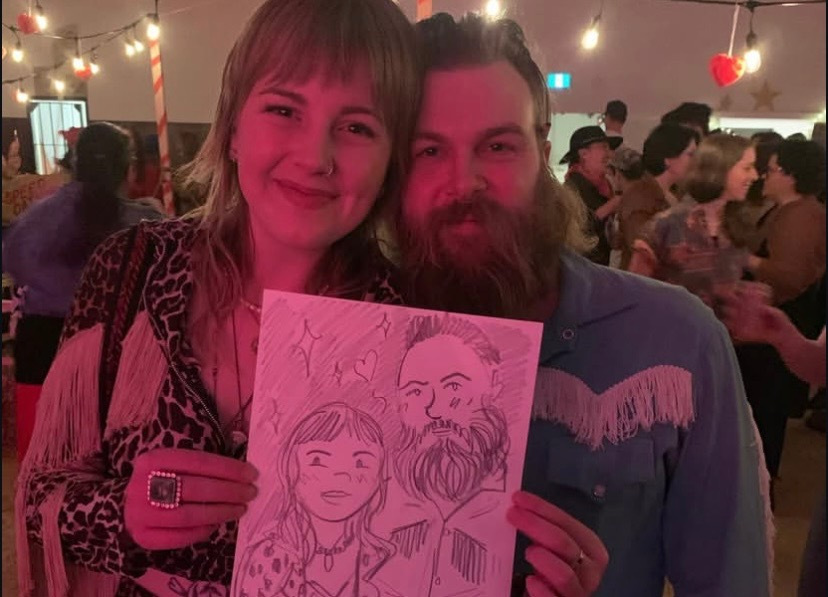
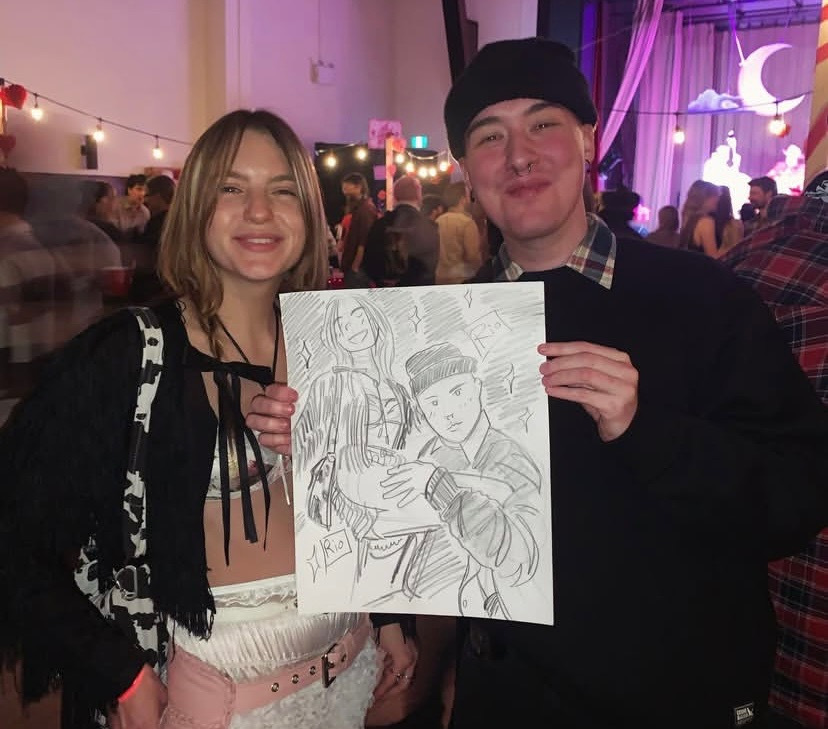
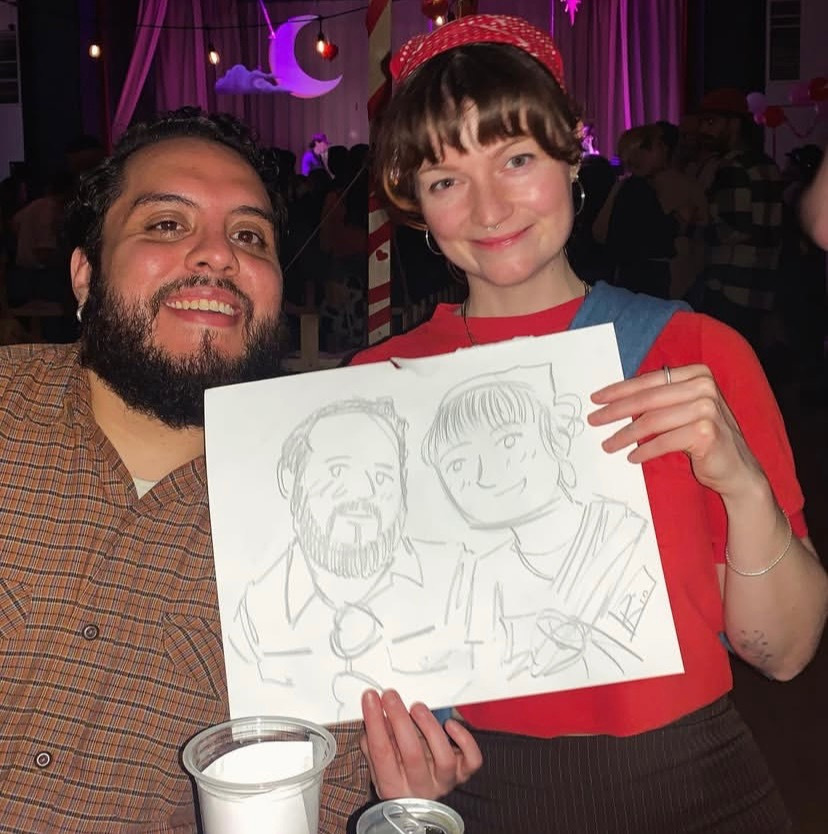
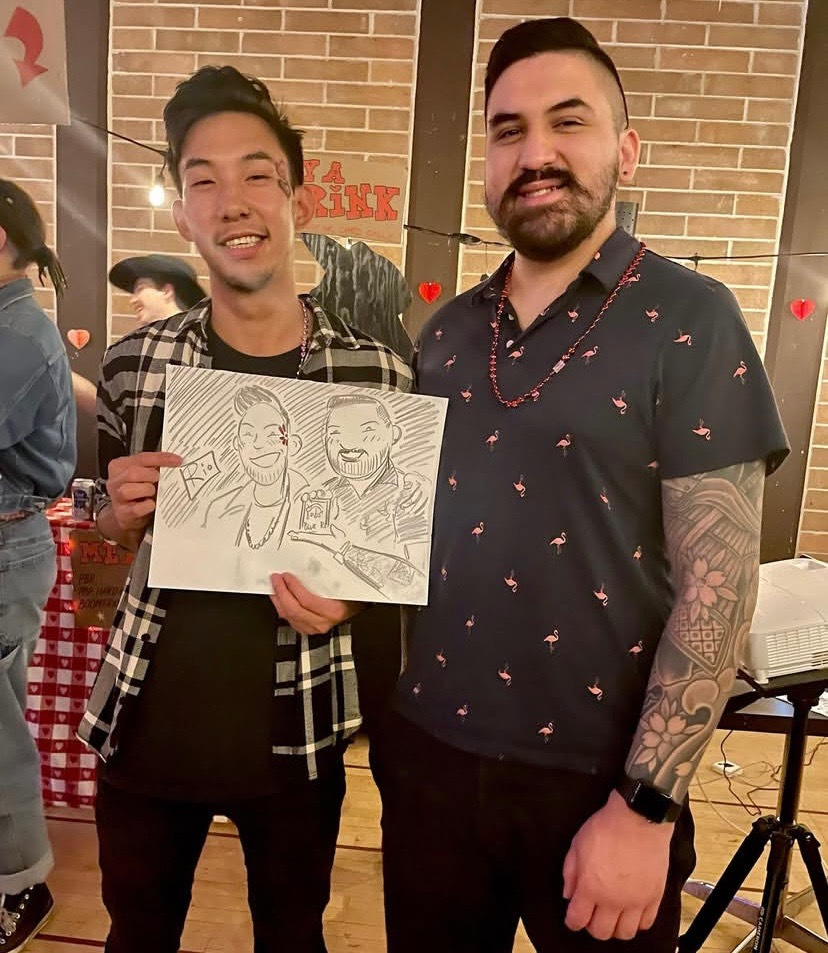
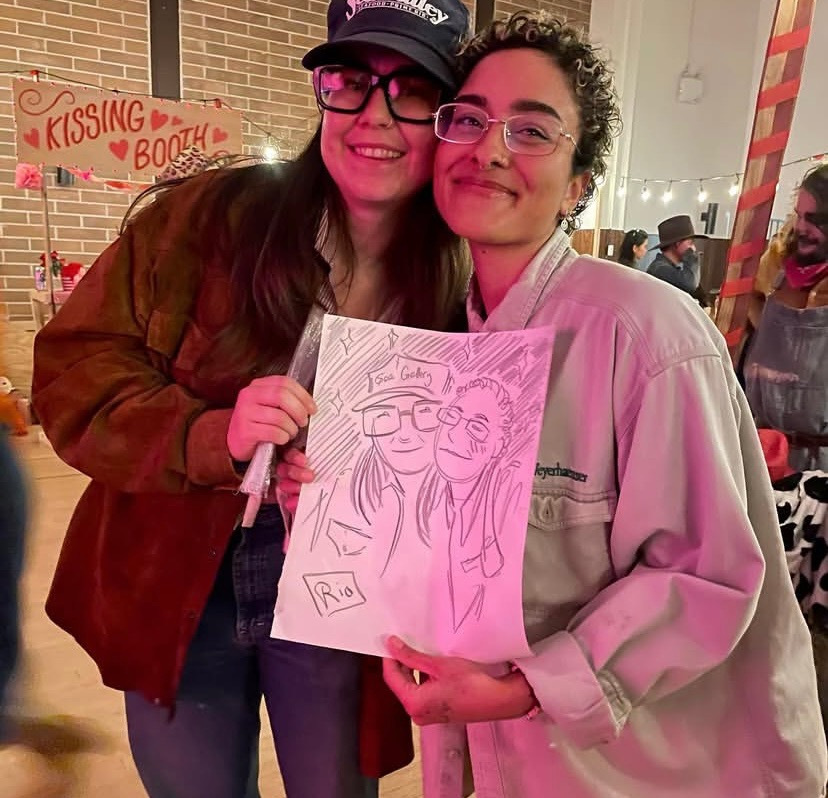
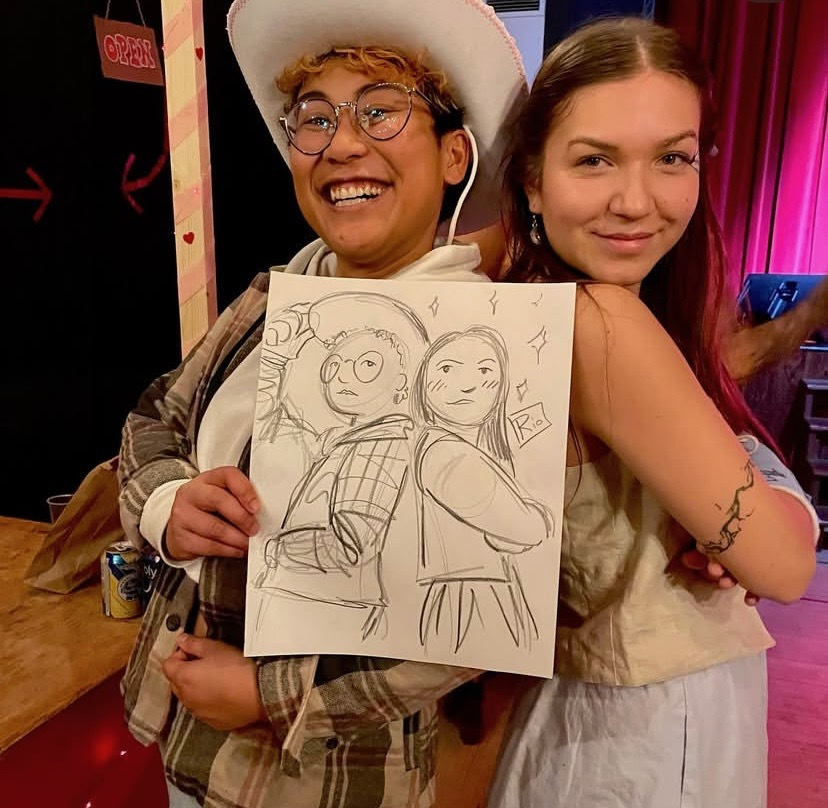
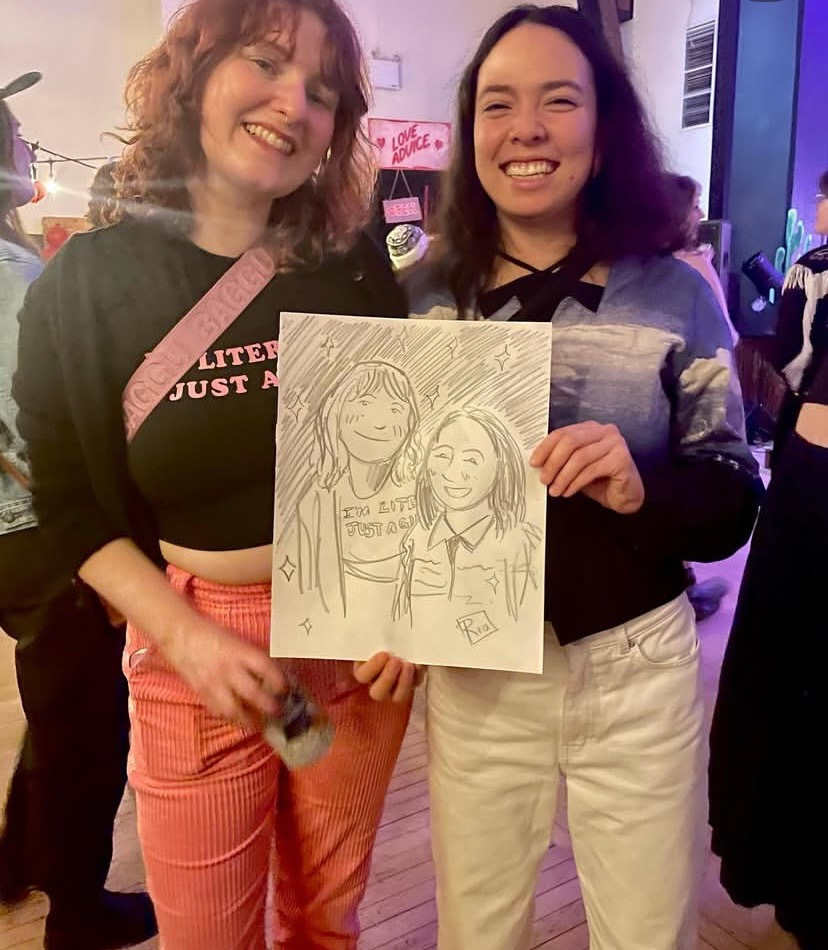
Ever wonder what the cartoon version of you looked like? Well look no further! Get sketched up in real time by artist Rio Miller while enjoying the fair activities!These portraits bring a smile to any face thats drawn! Hang them up in your room, on your fridge, or keep it in an album as a little memento of your time at the Love and Country County Fair!
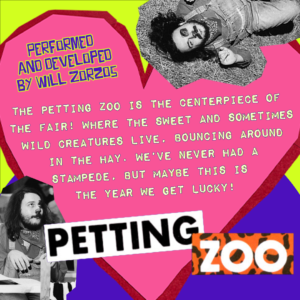
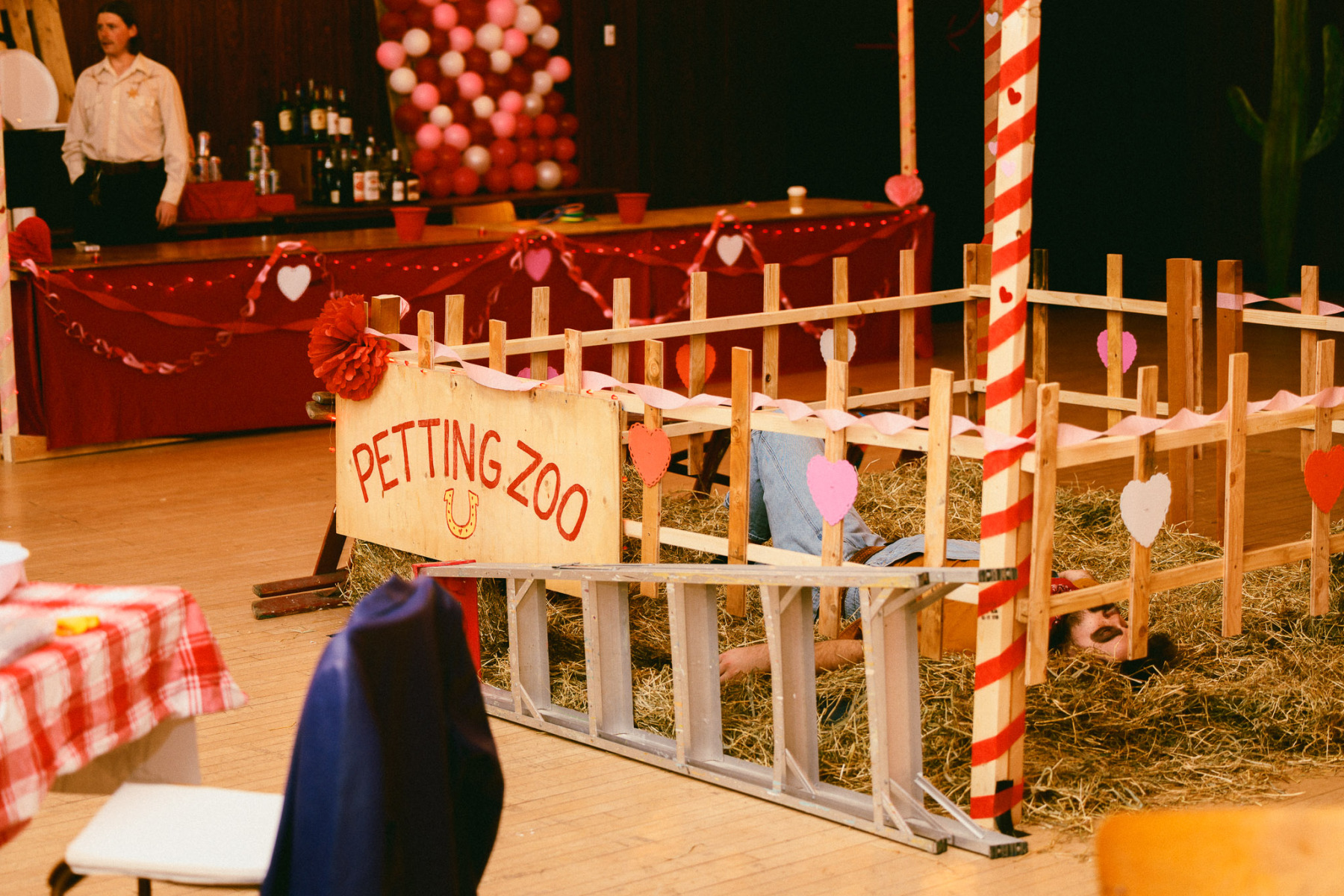
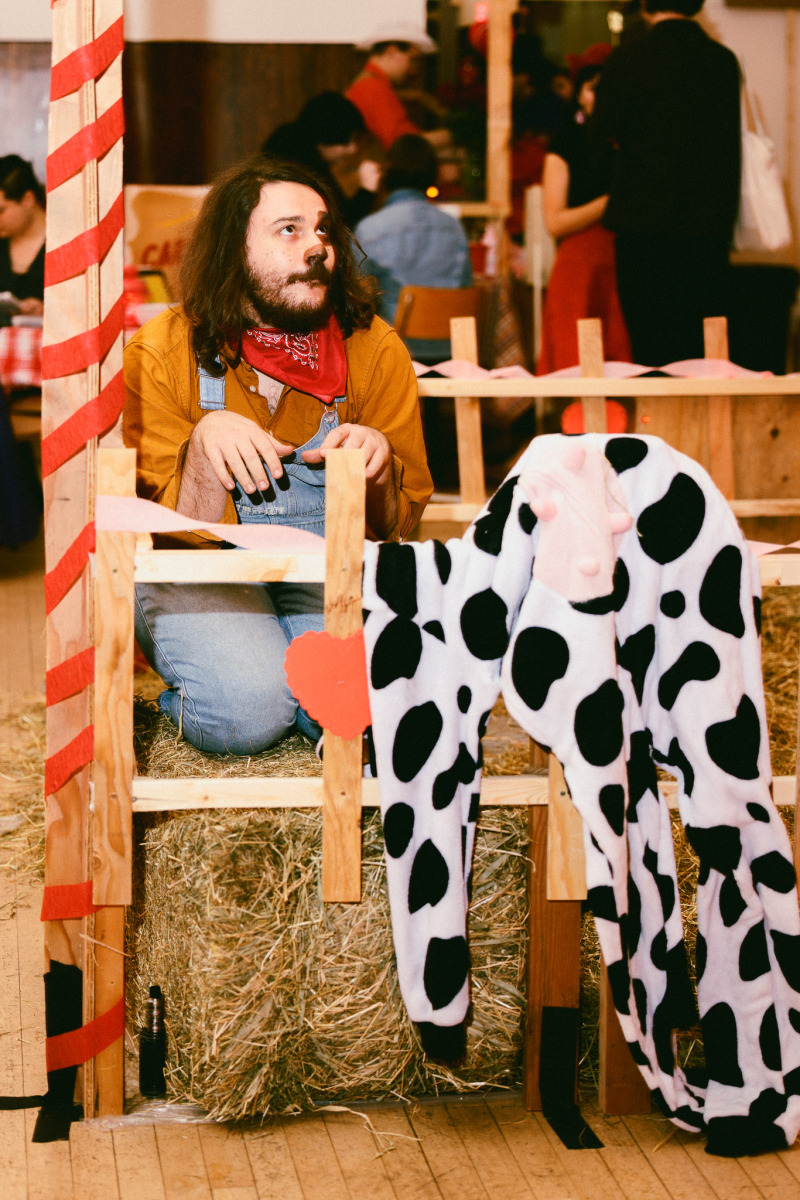
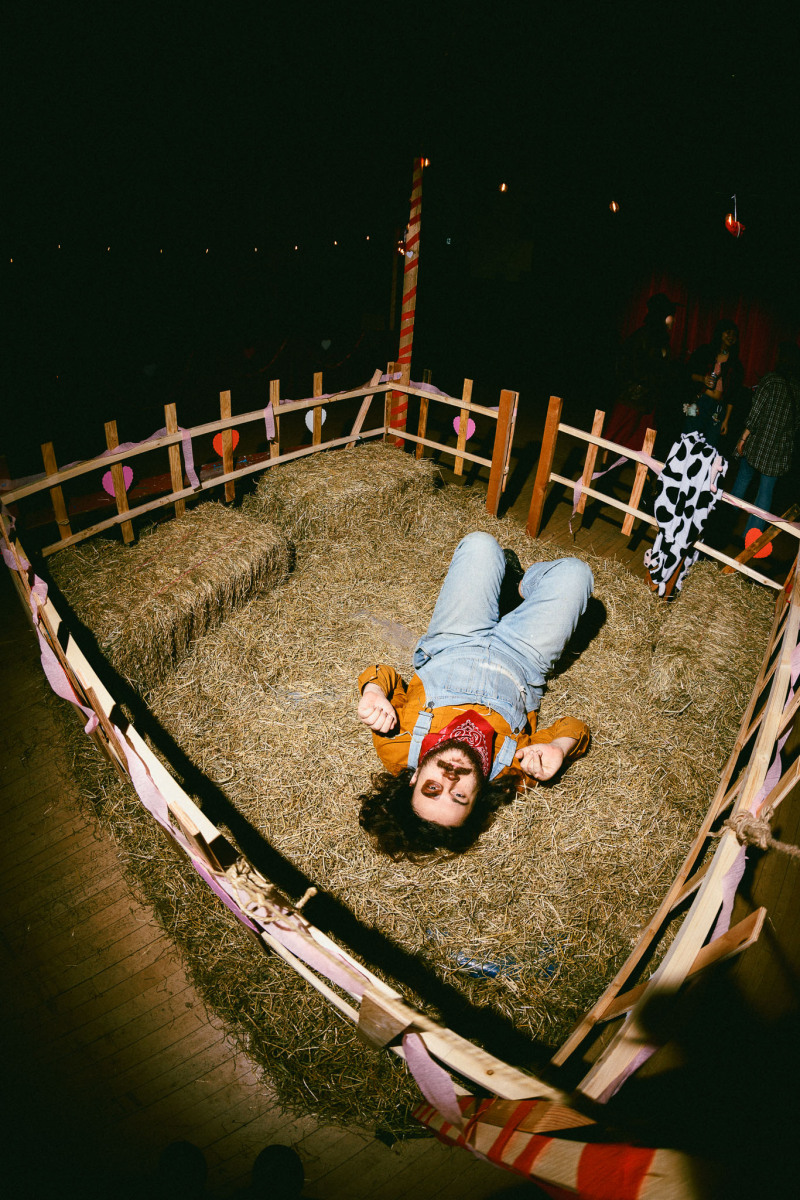
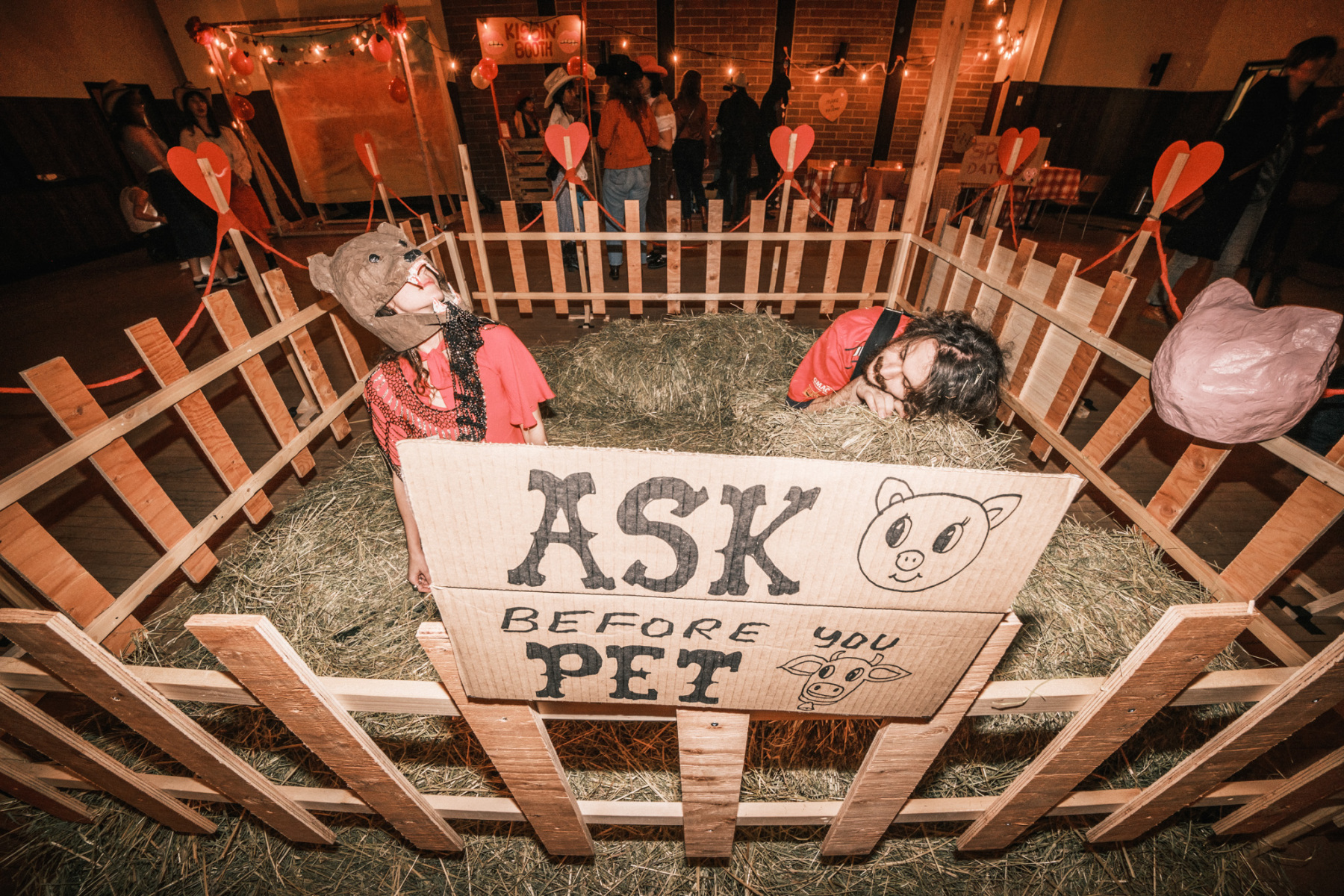
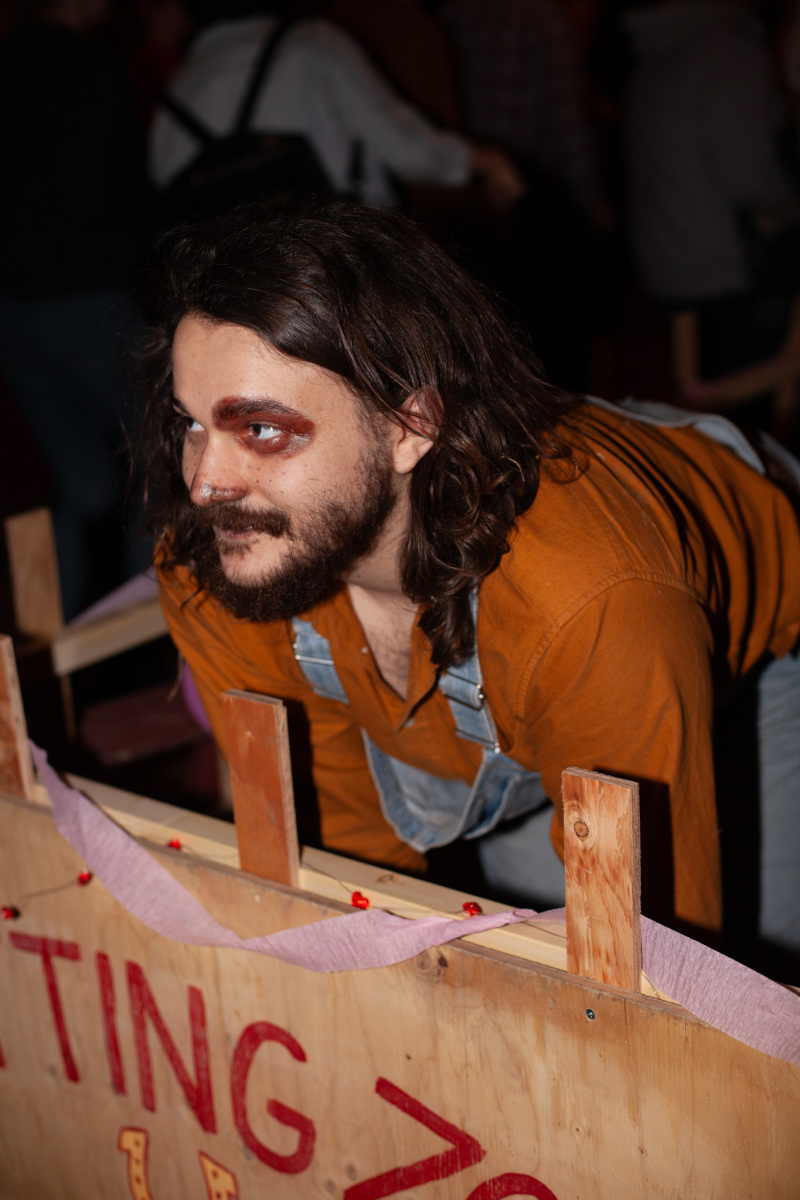
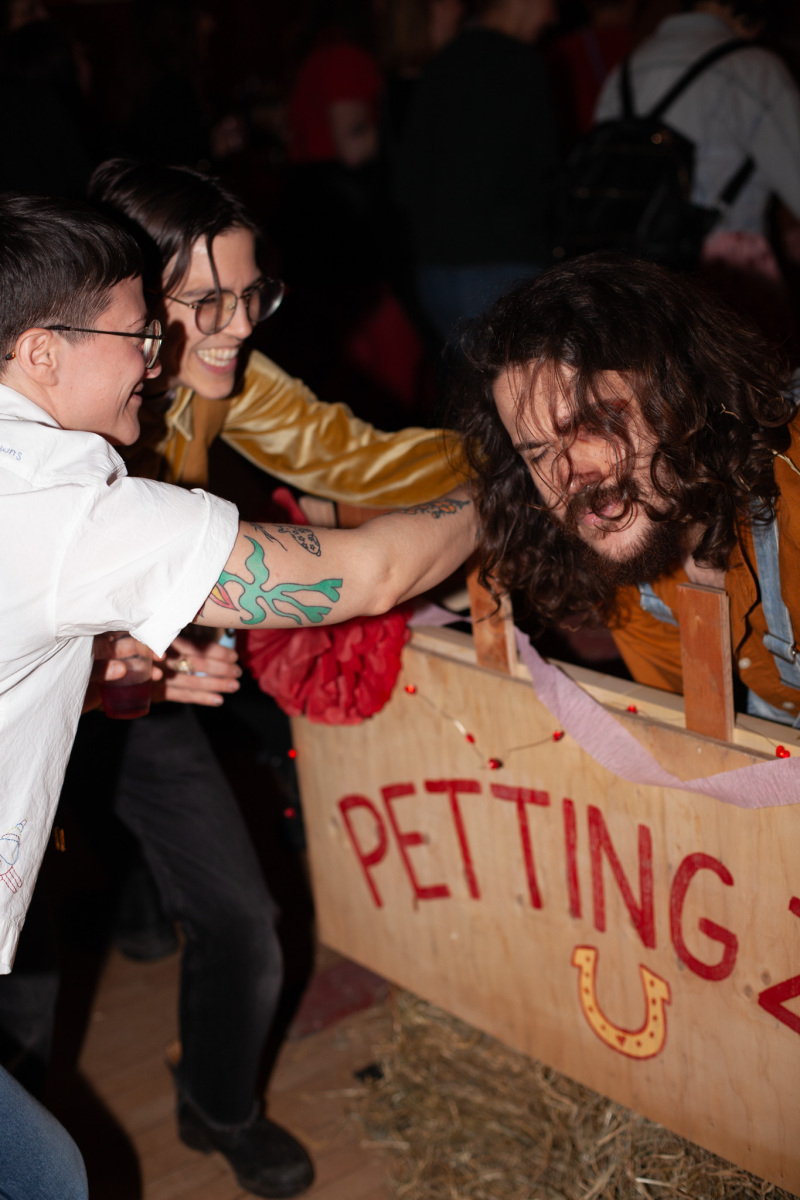
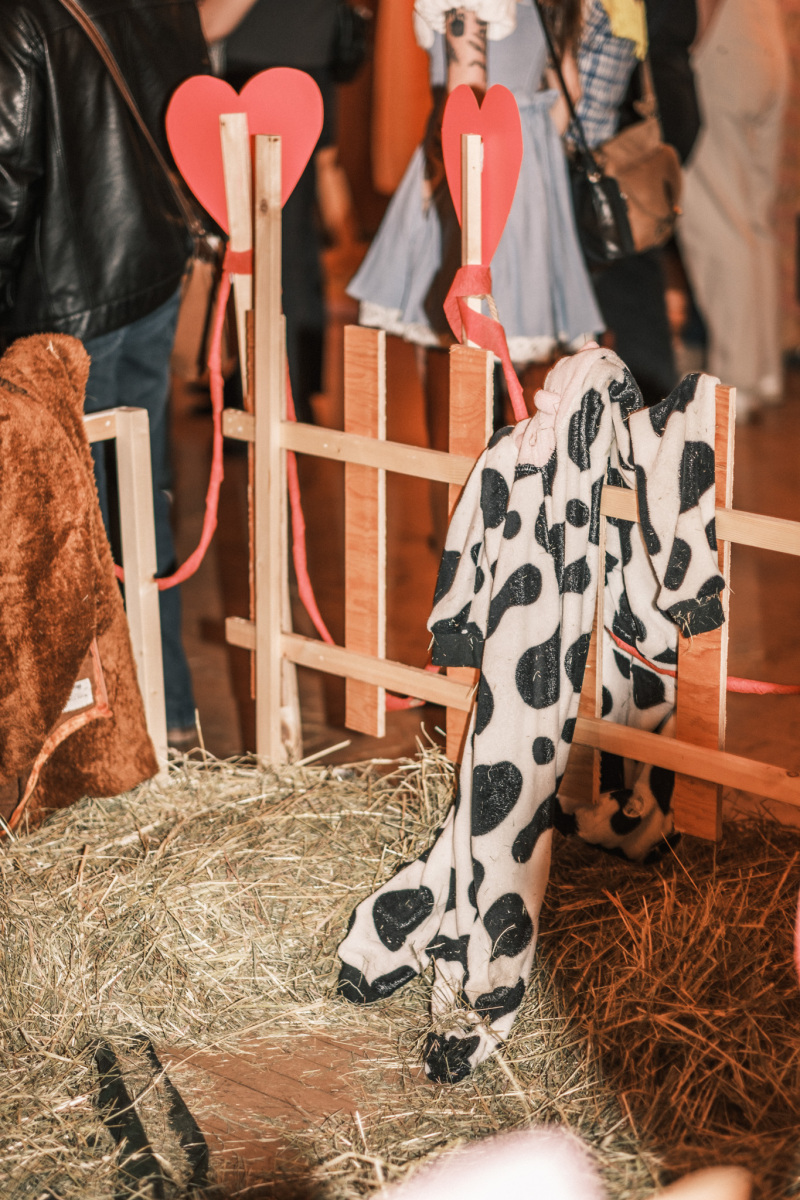
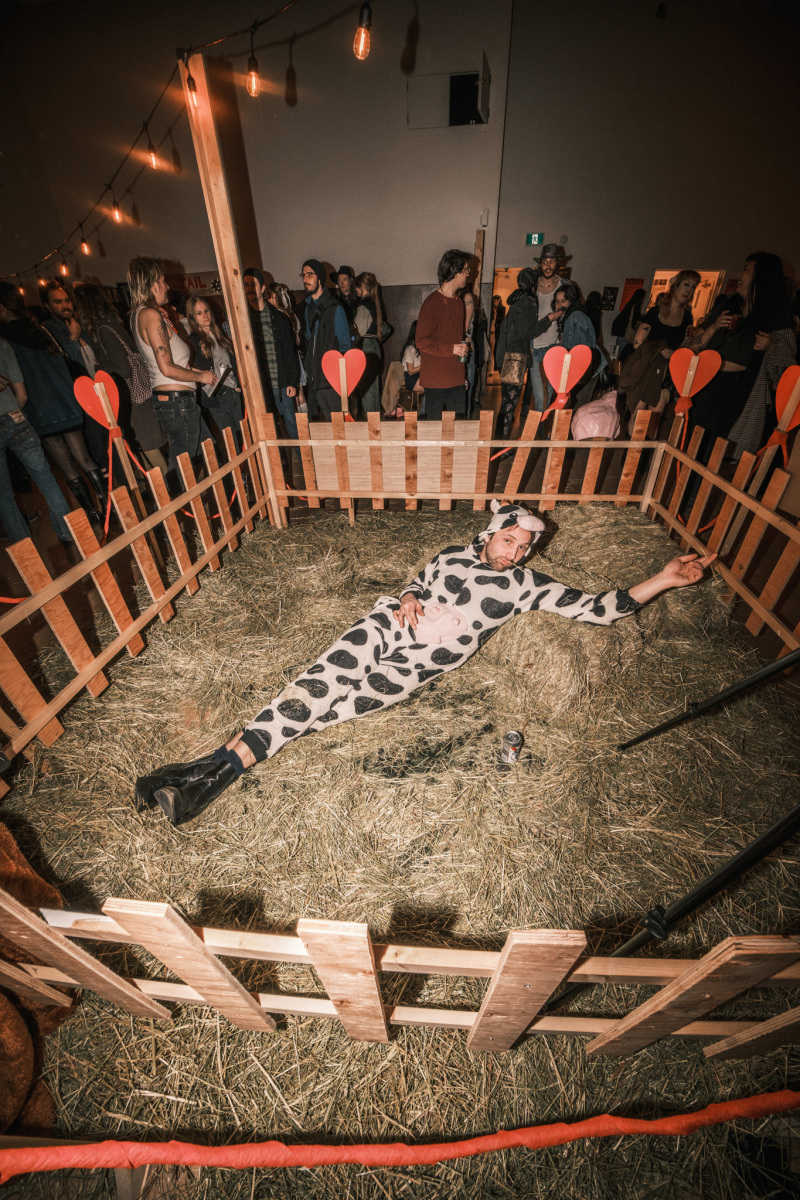
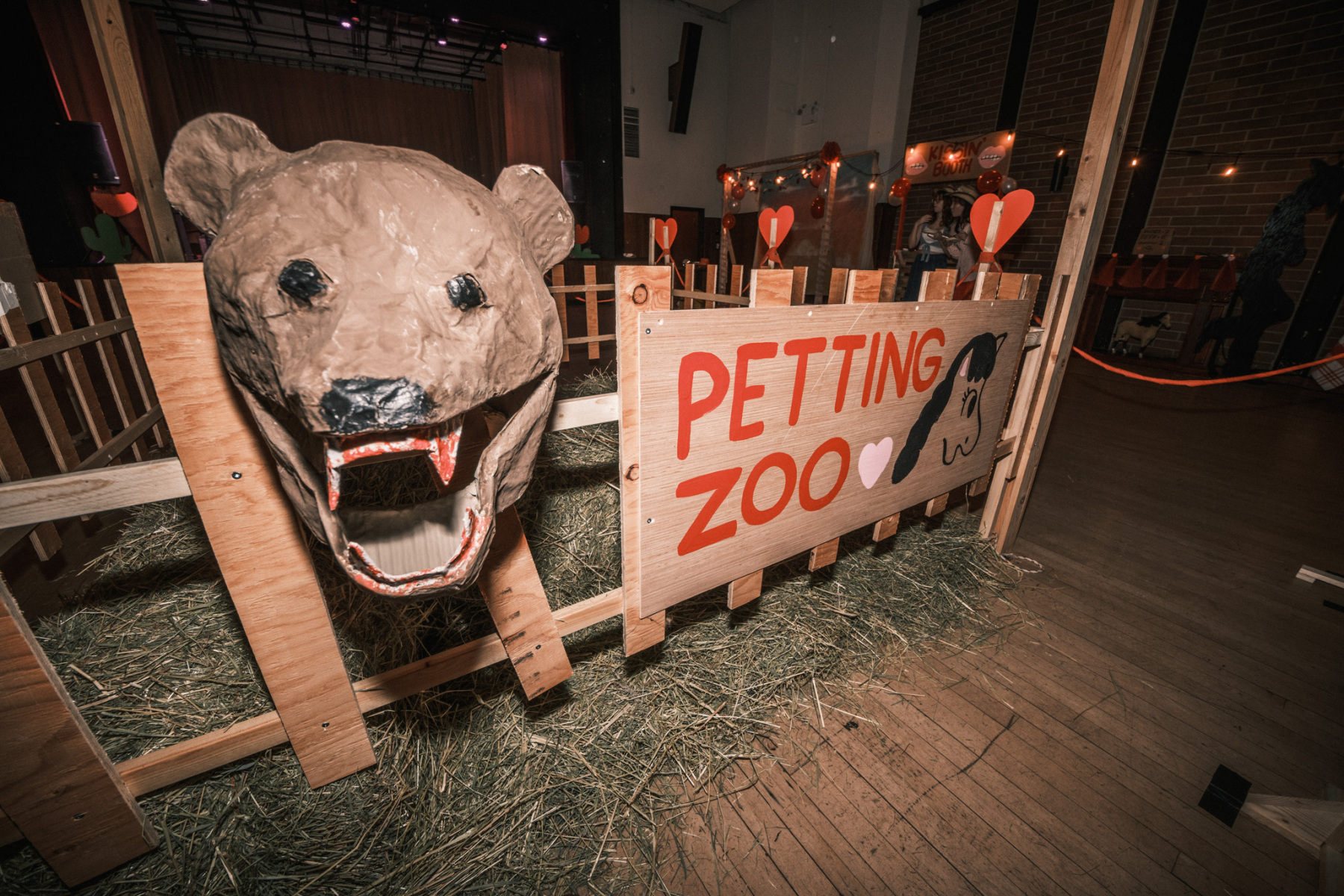
The Petting Zoo
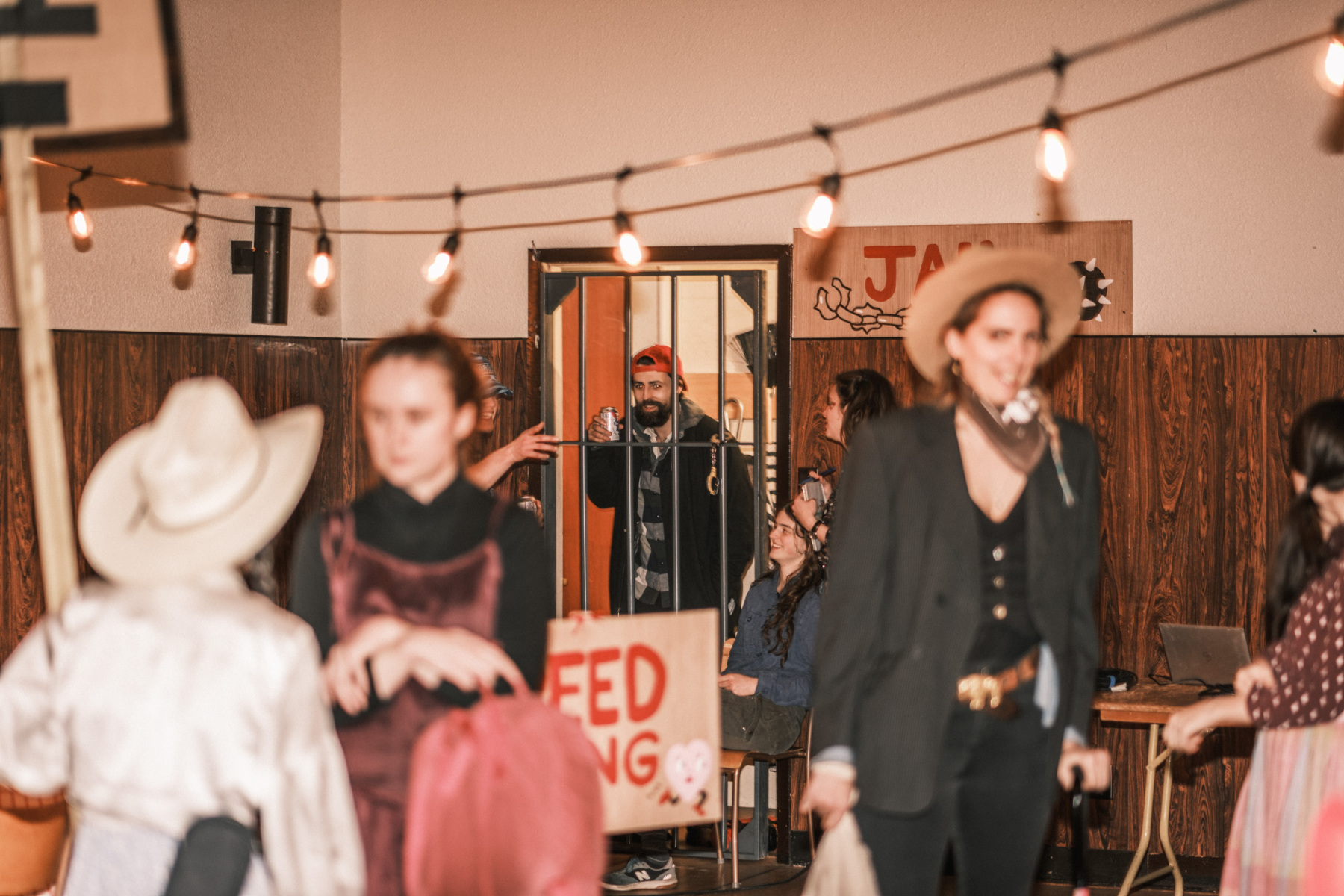
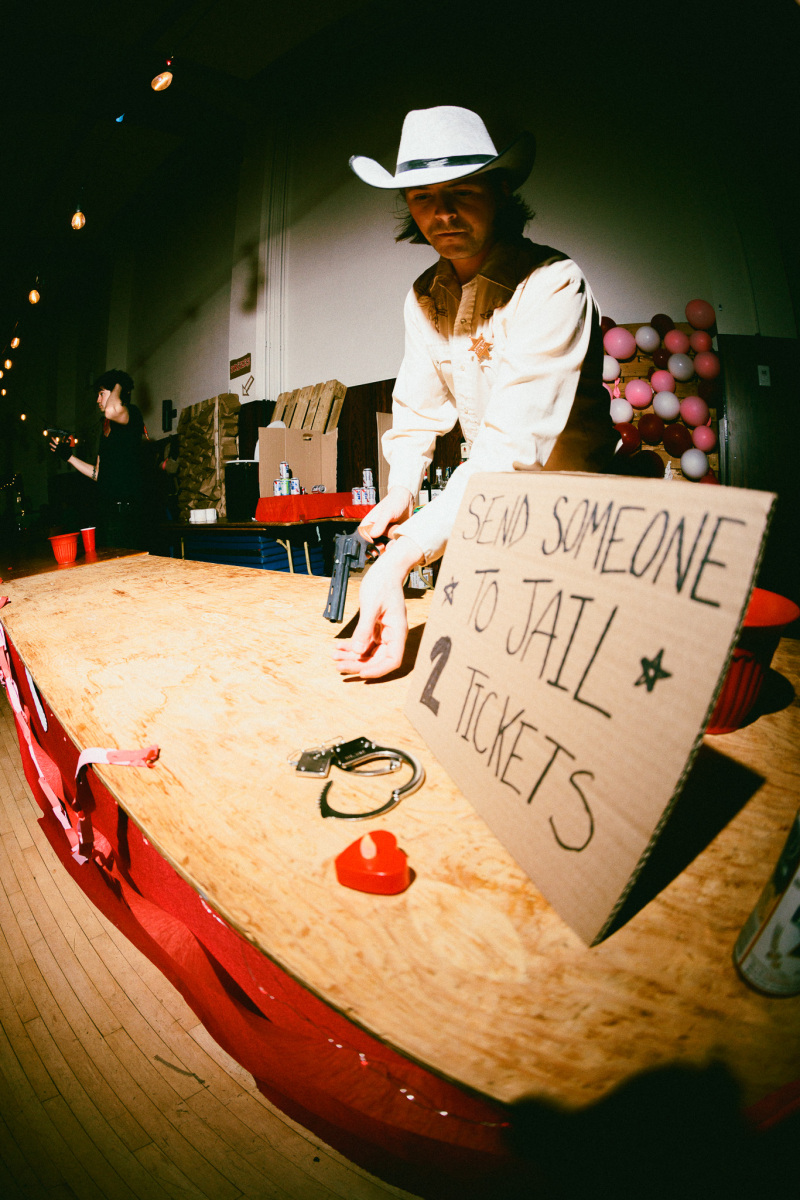
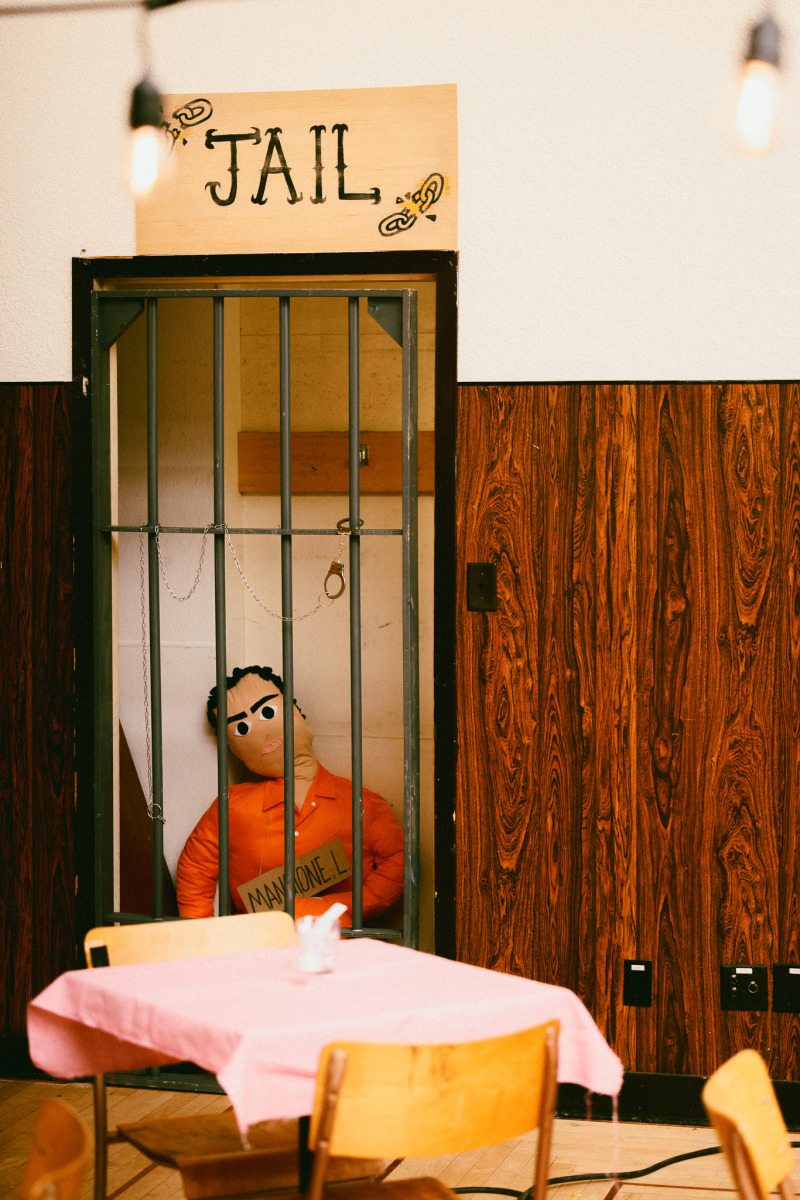
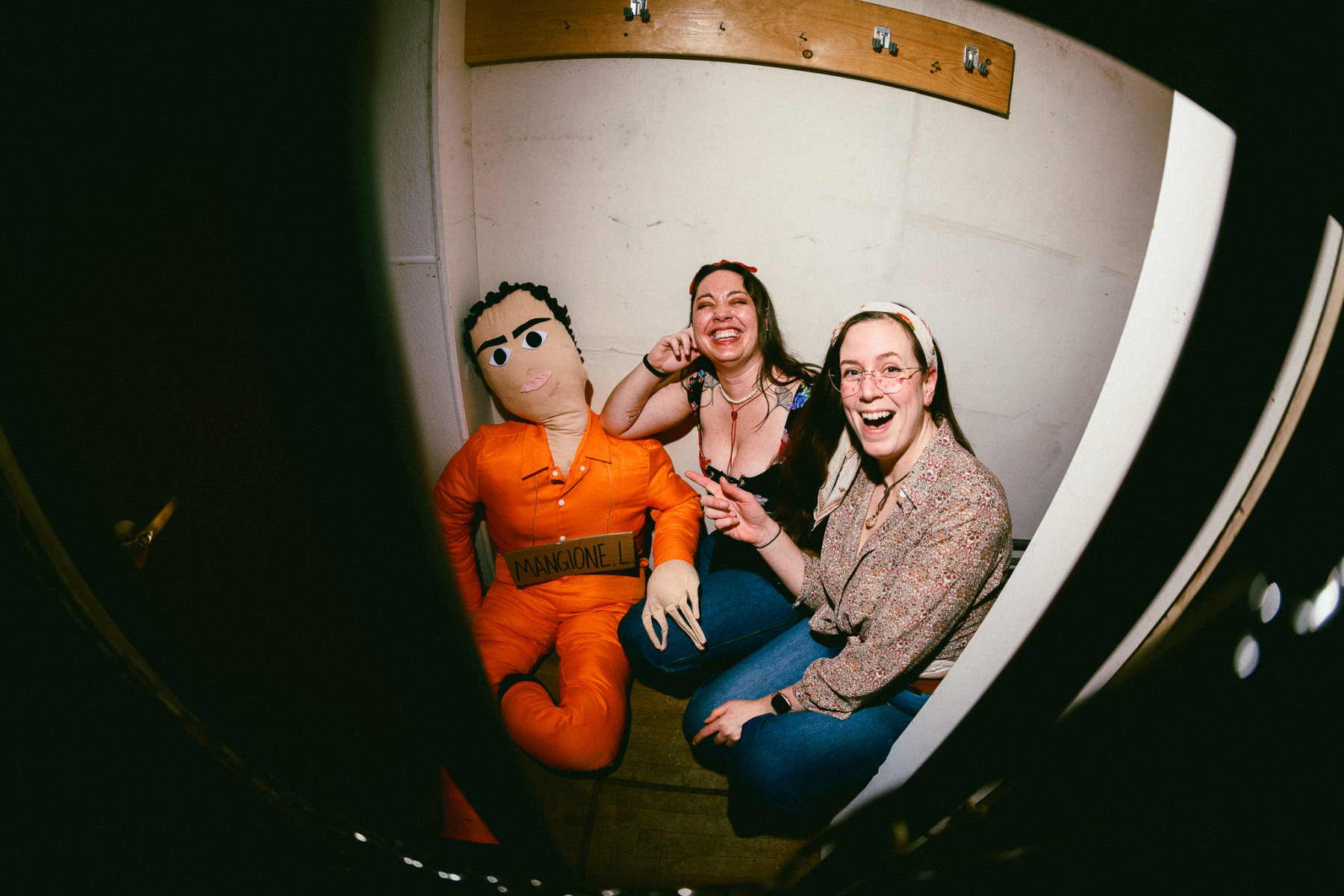
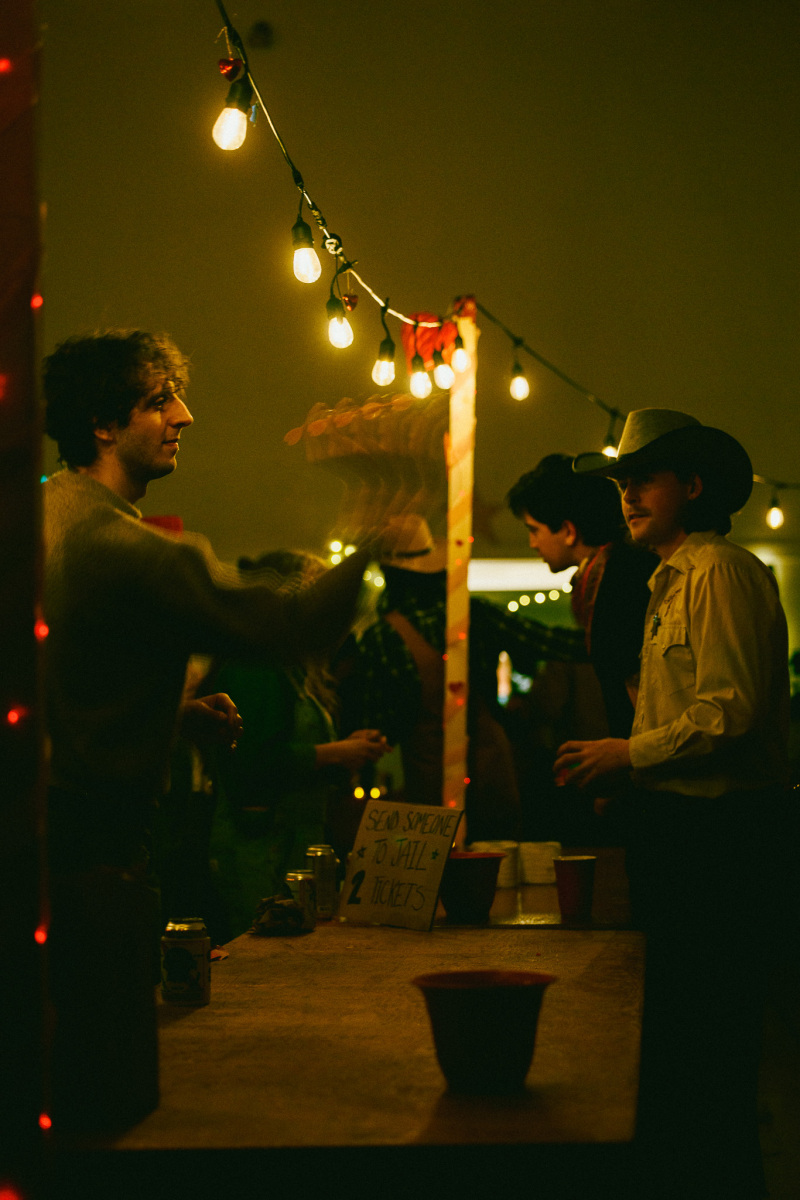
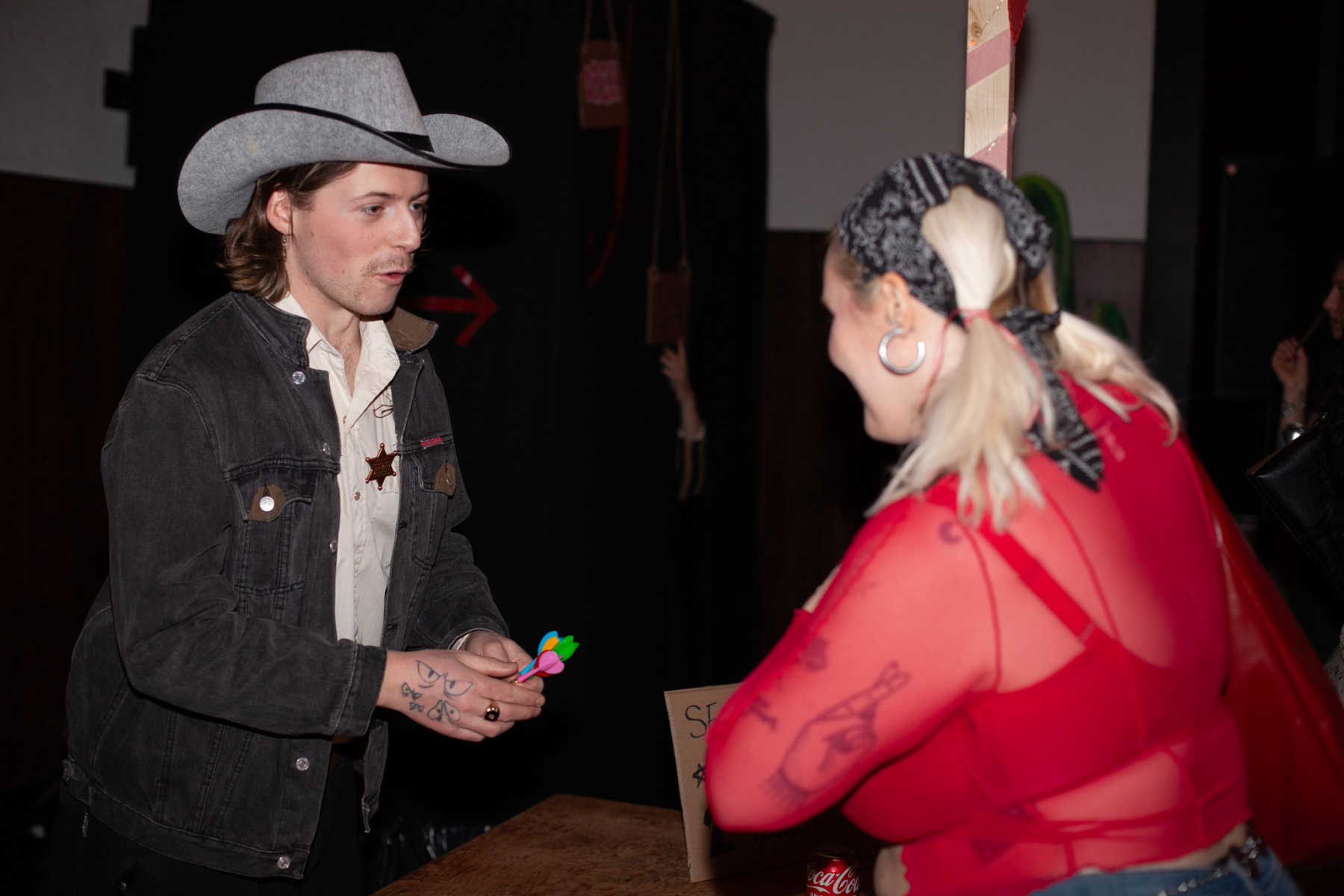
Sheriff/Jail
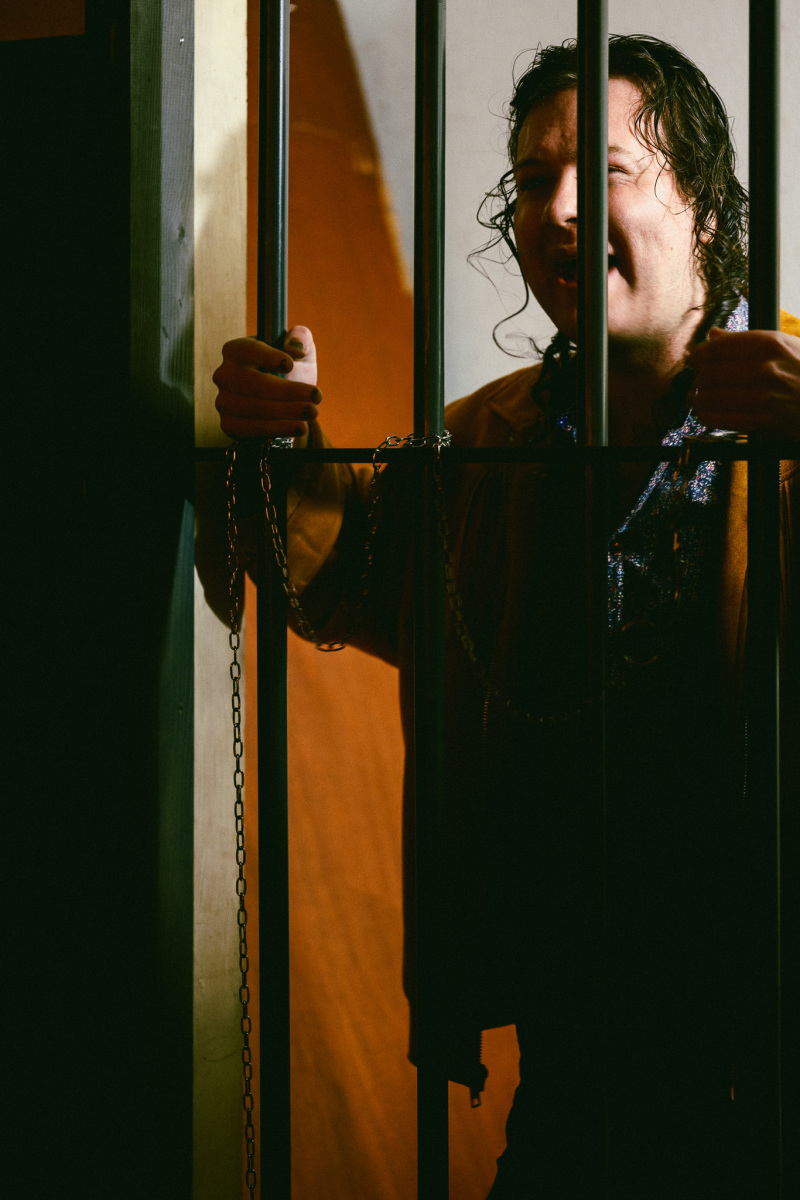
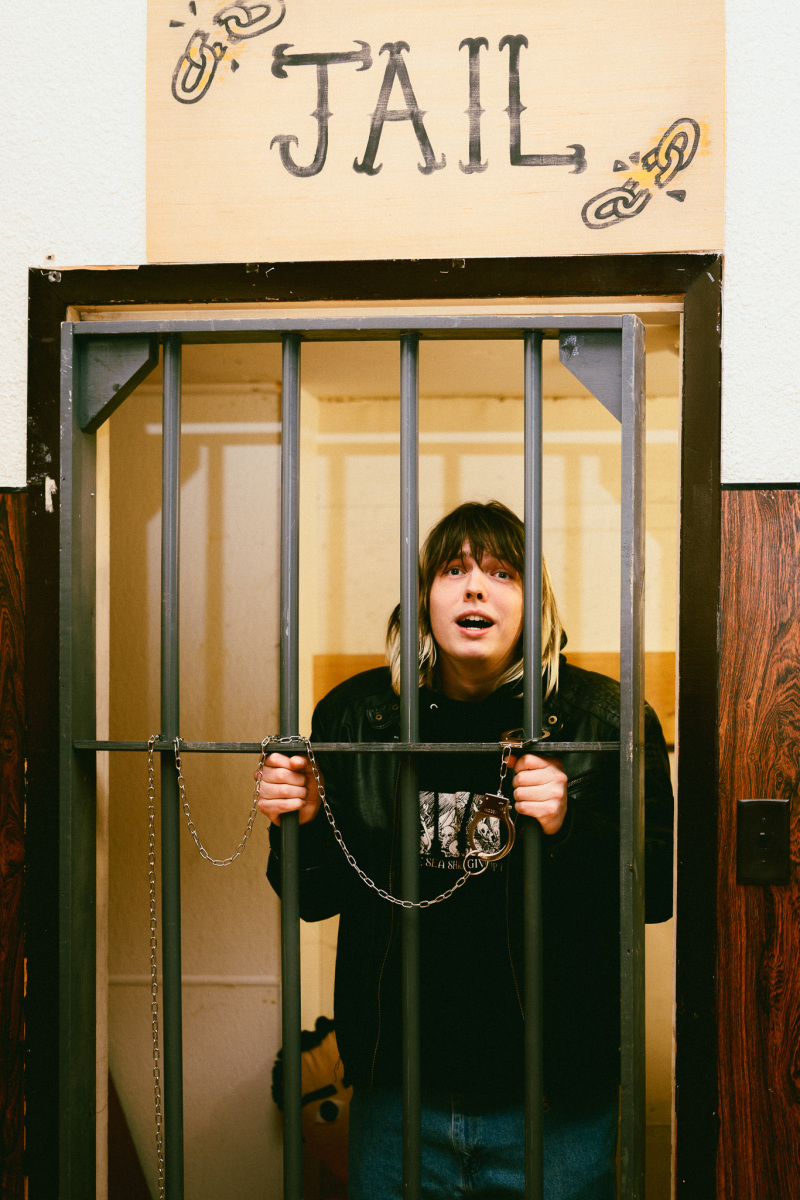
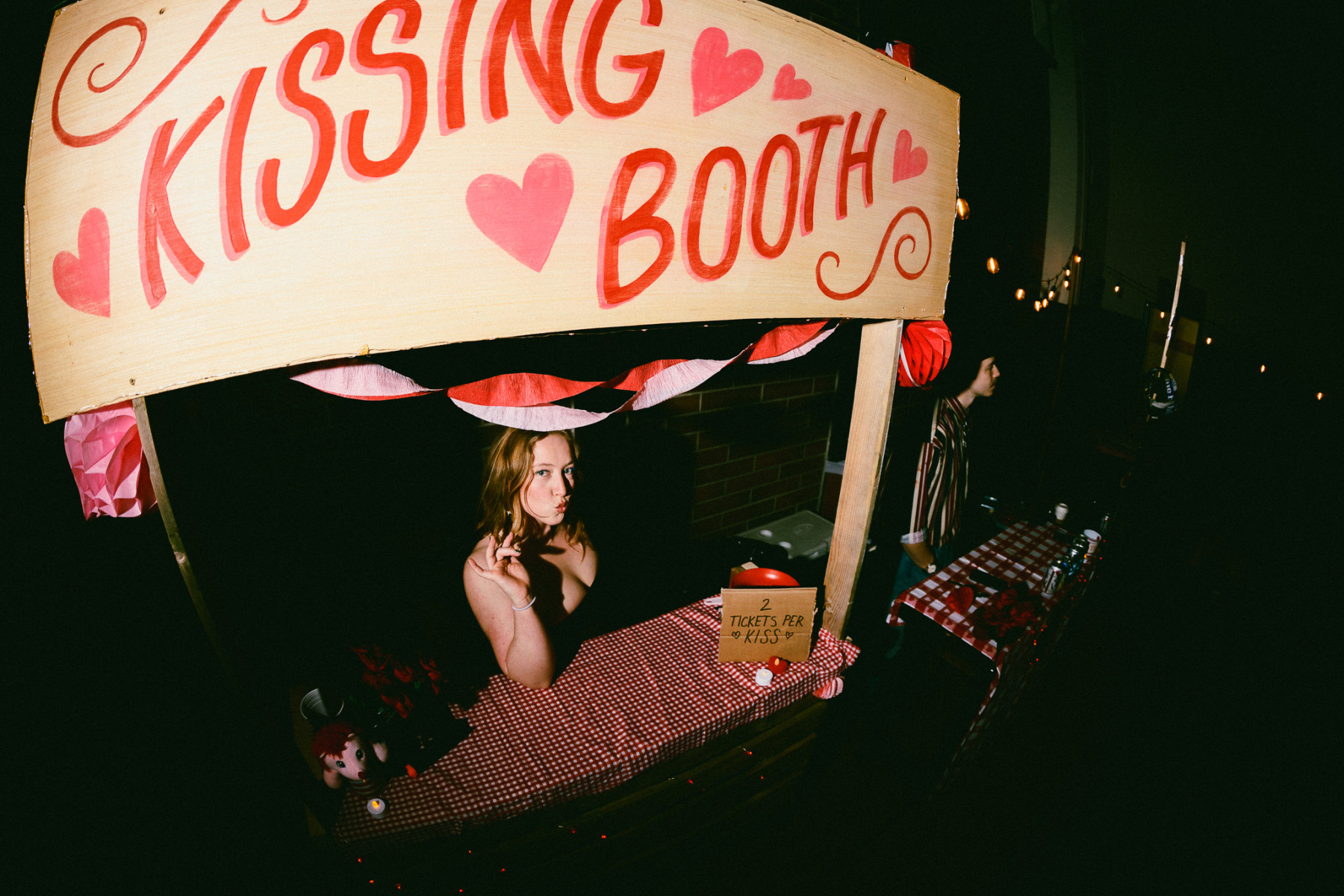
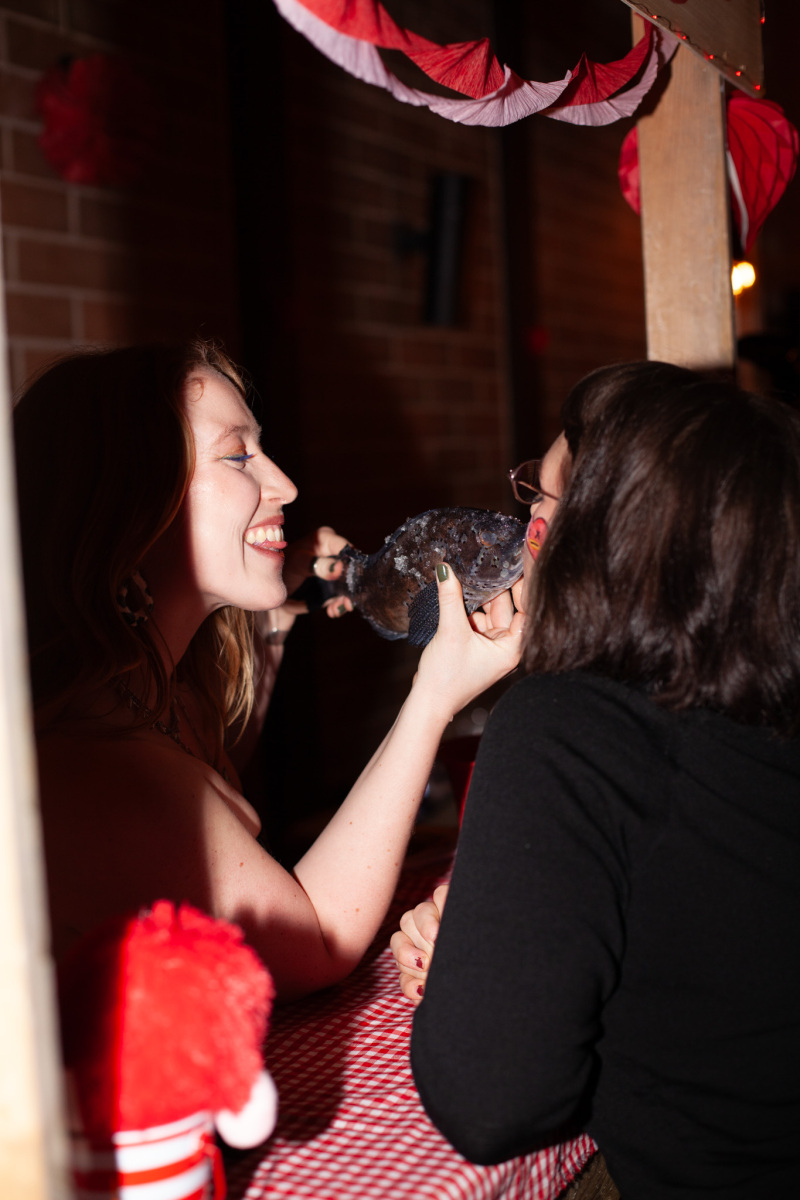
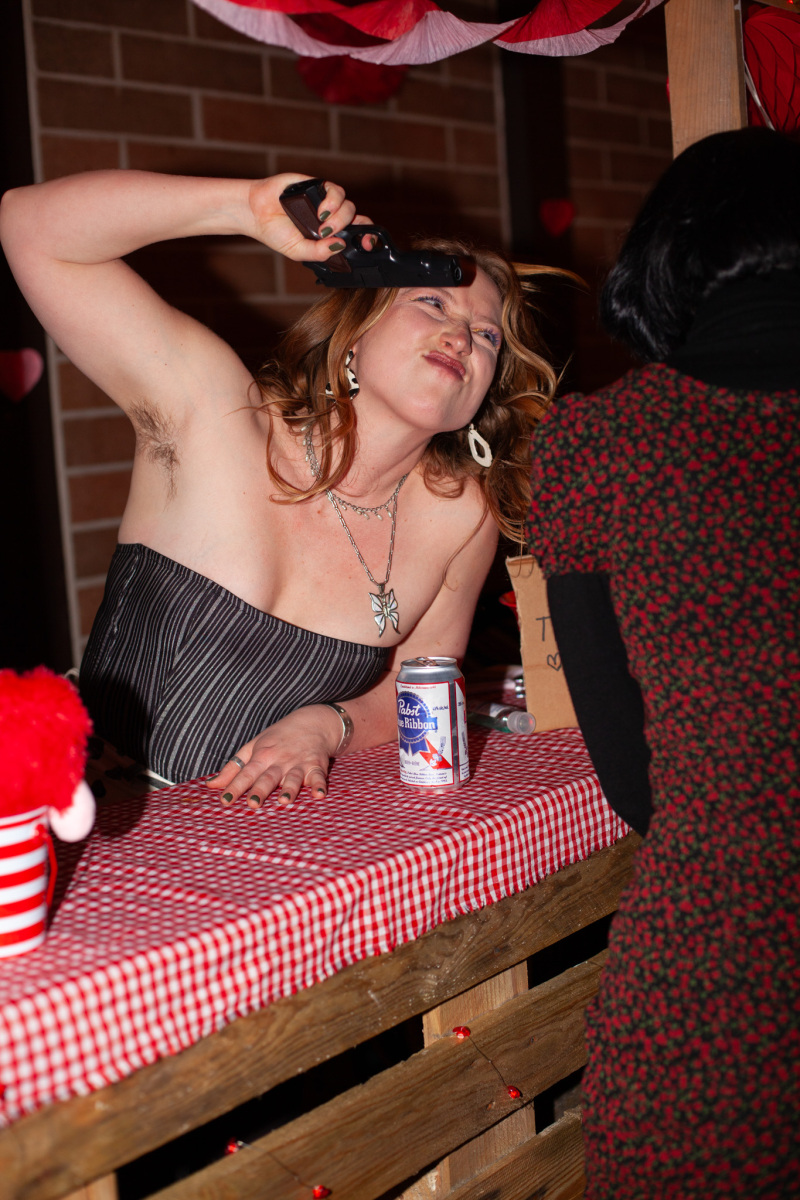
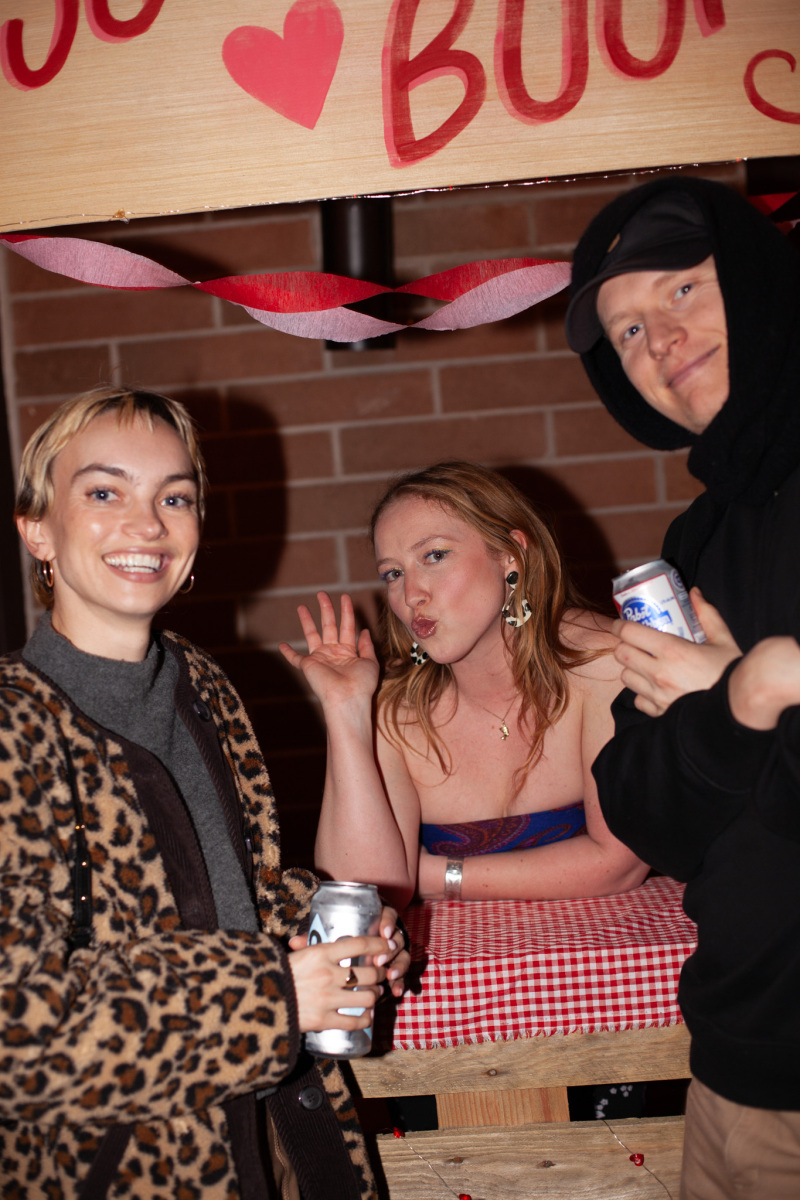
Kissing Booth by Brenna Rosen
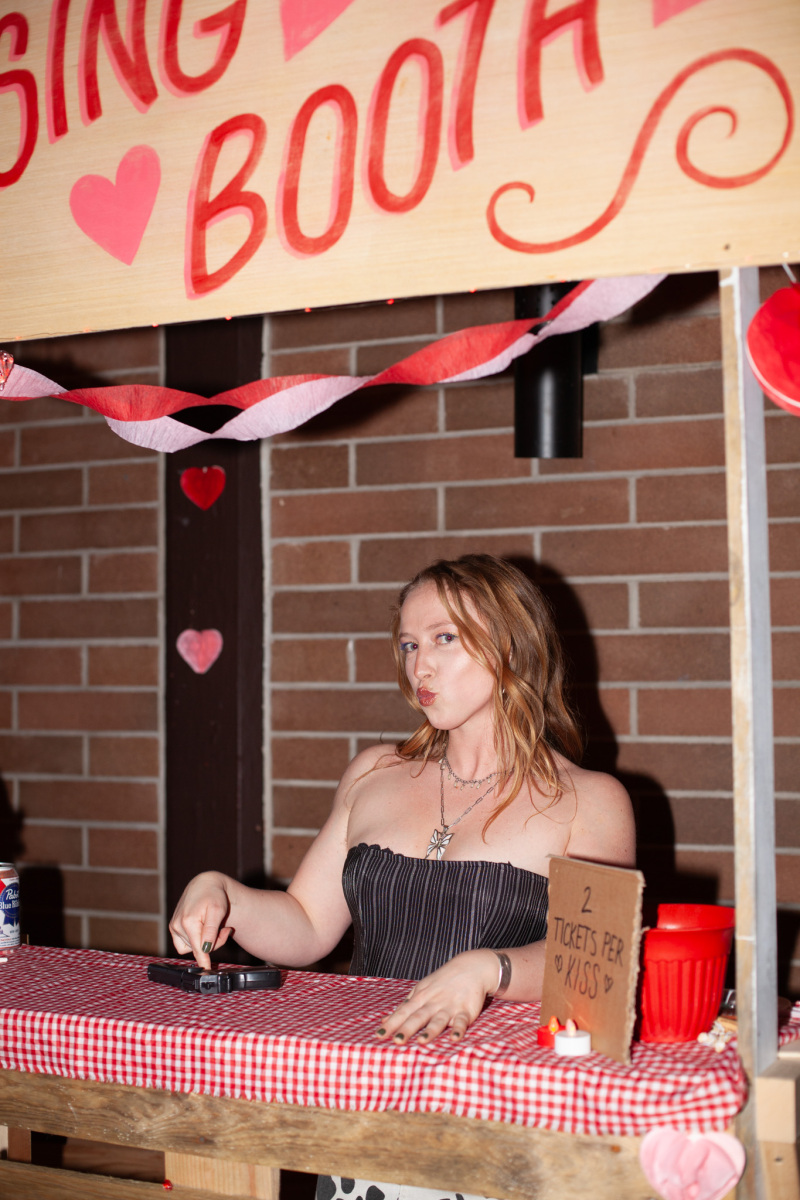
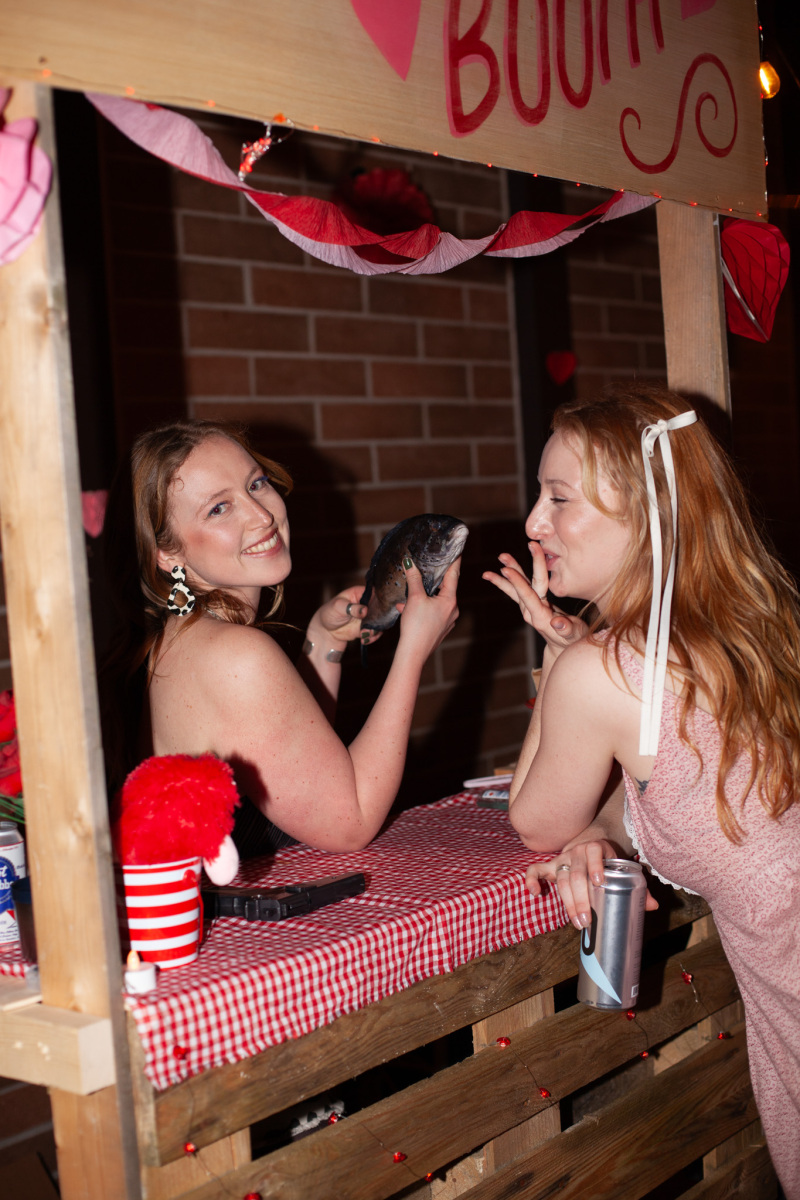
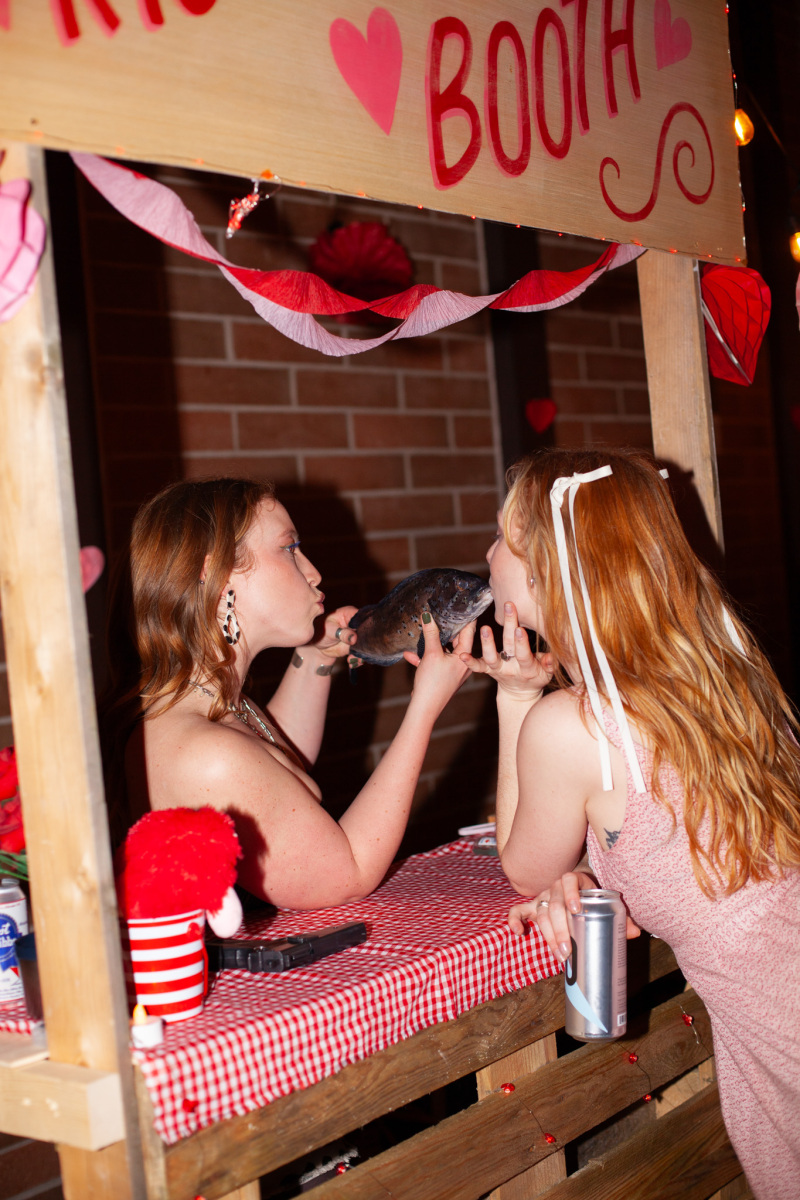
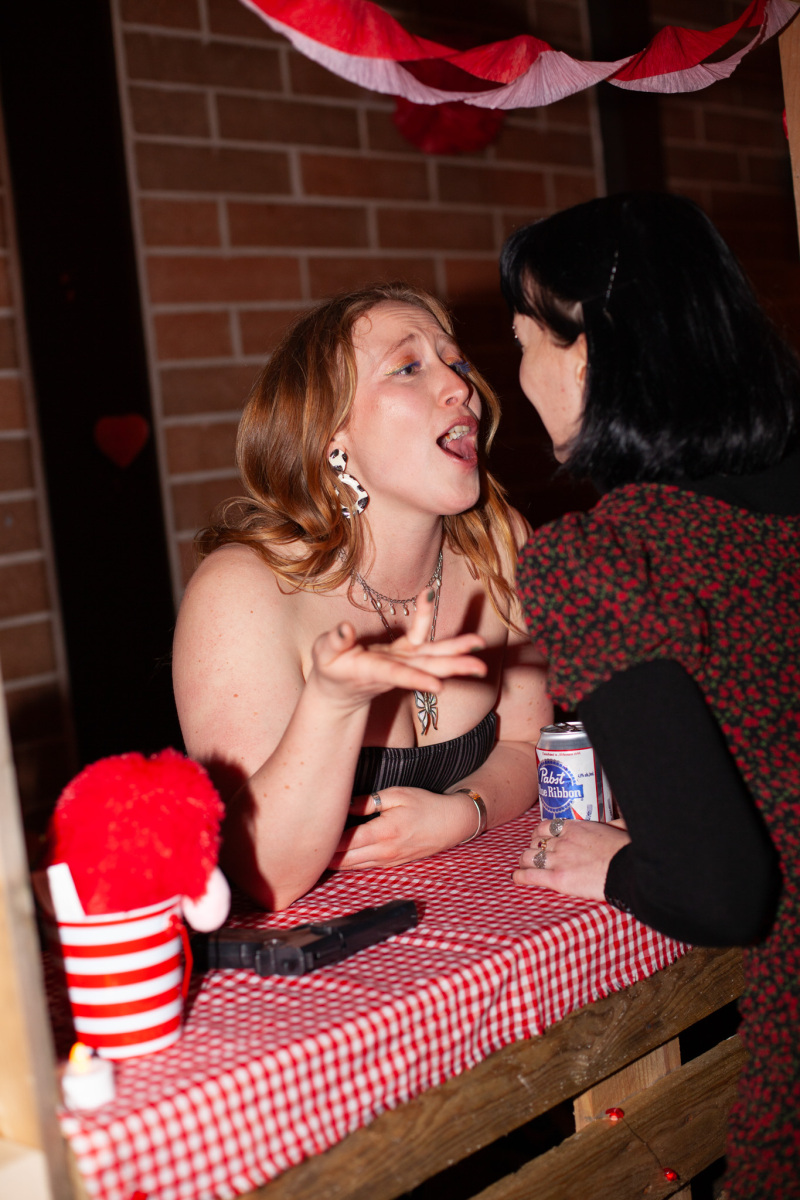
The Carrousel by Brenna Rosen and Ben Morton
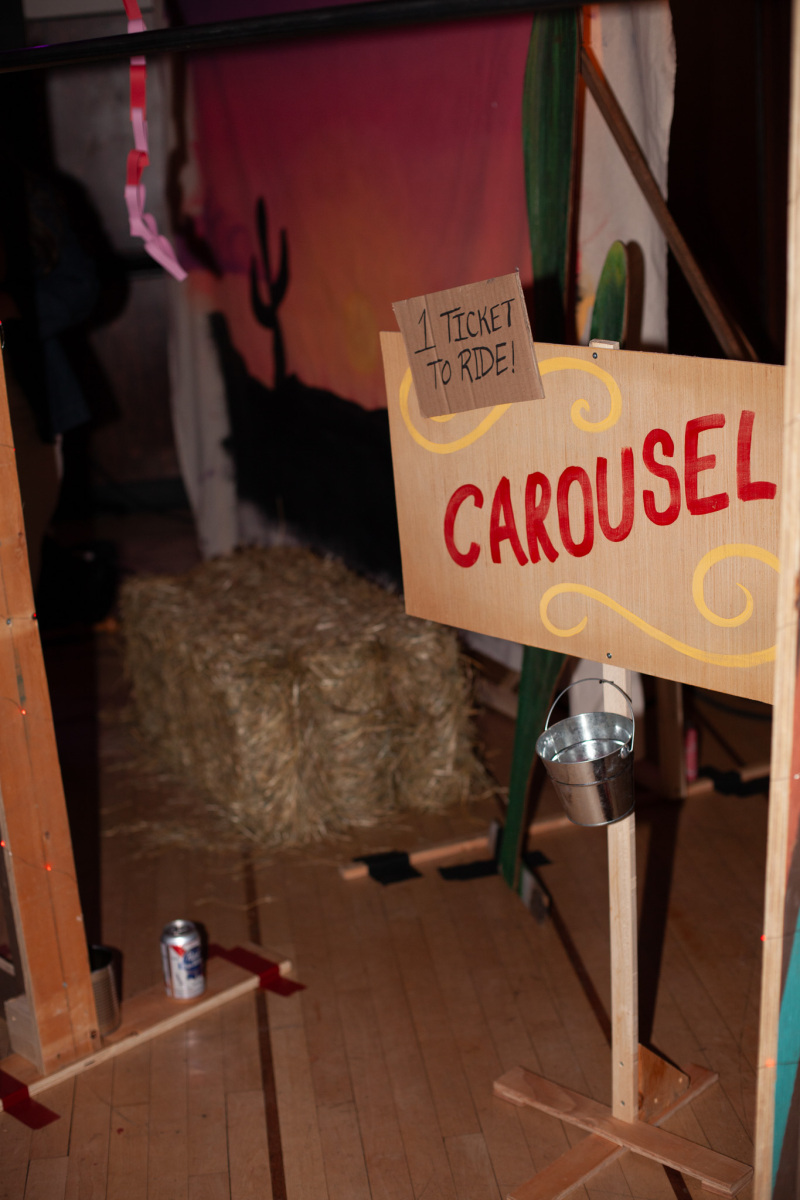
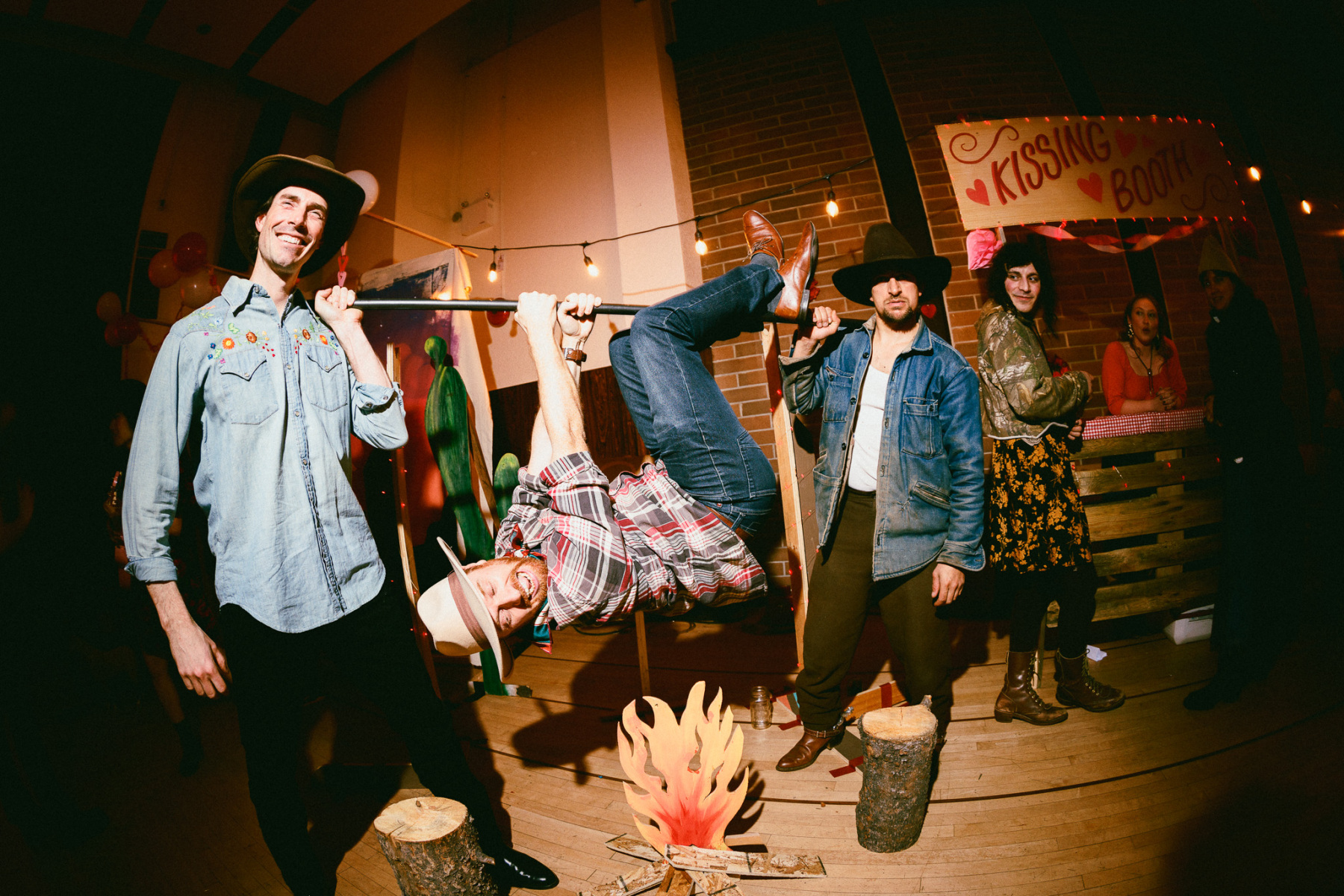
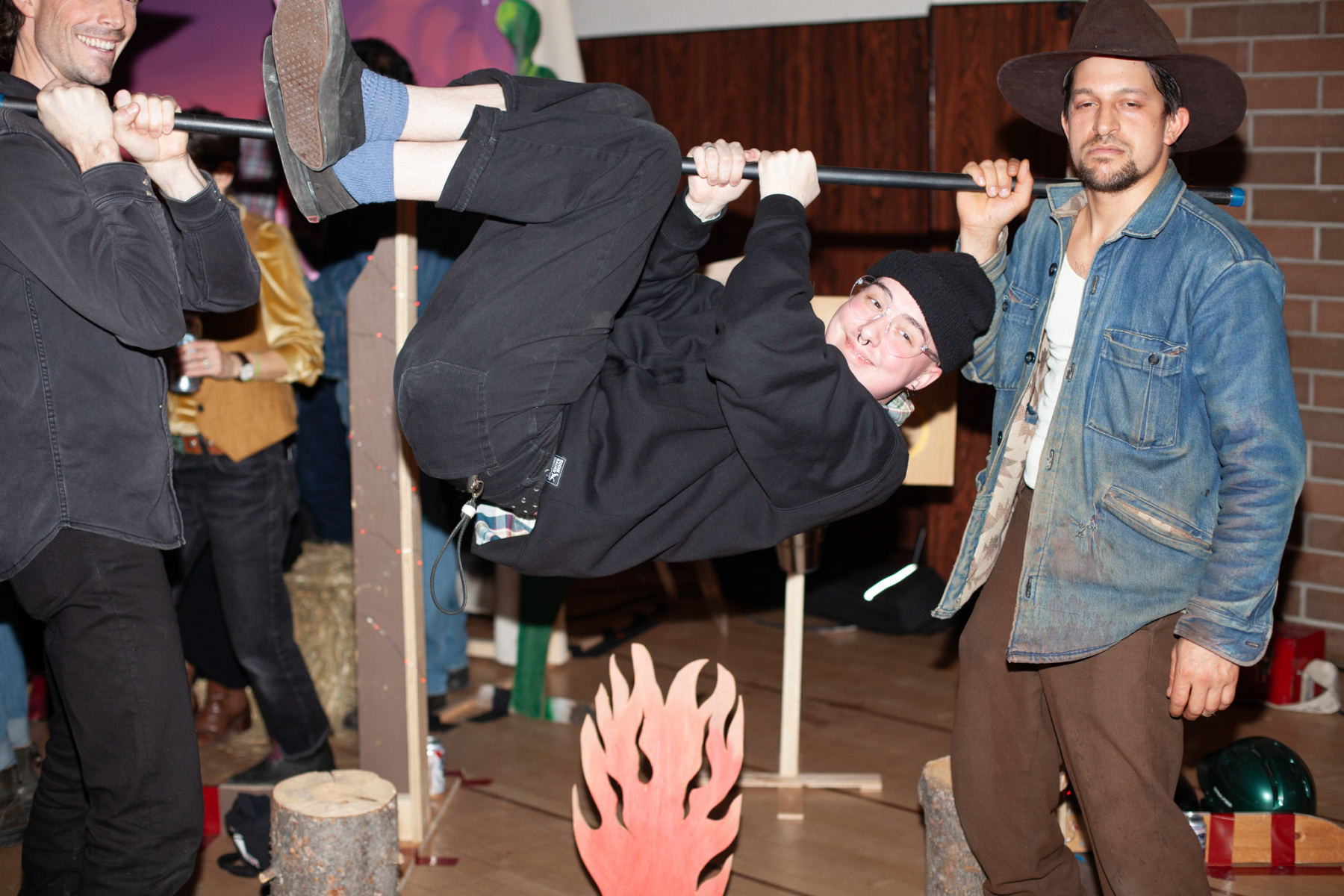
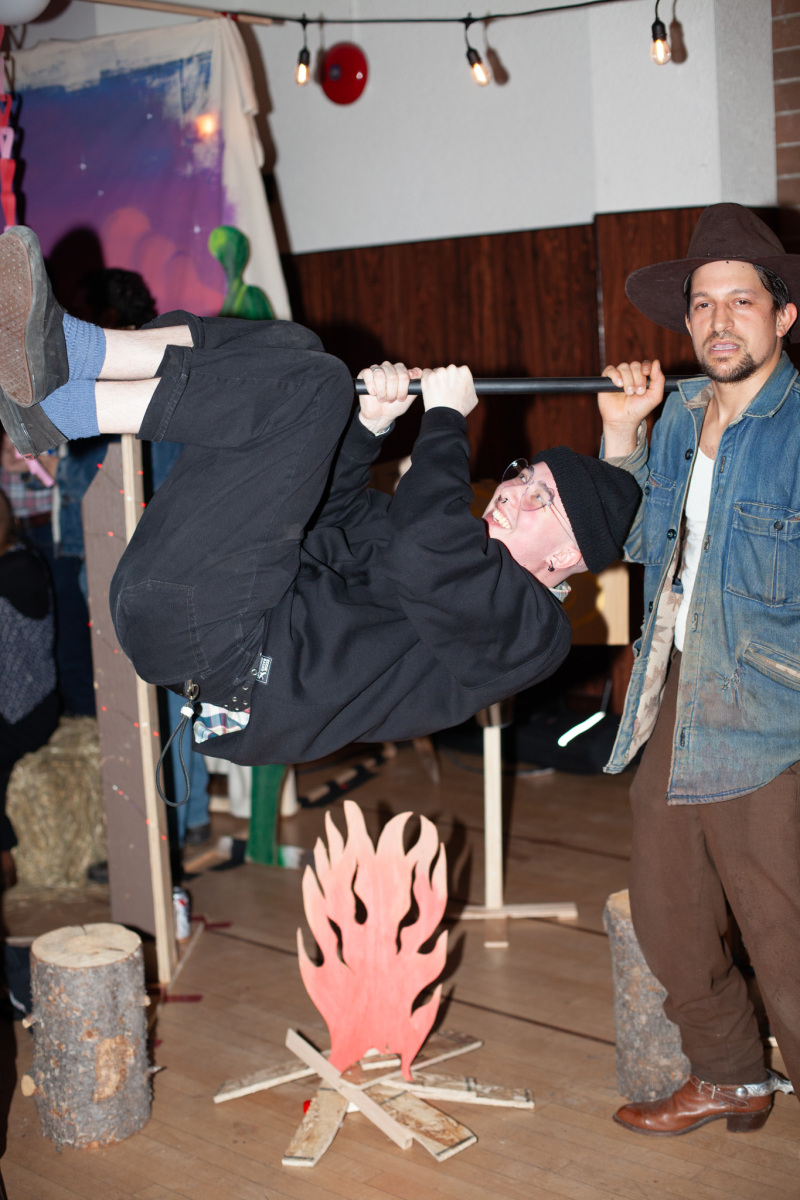
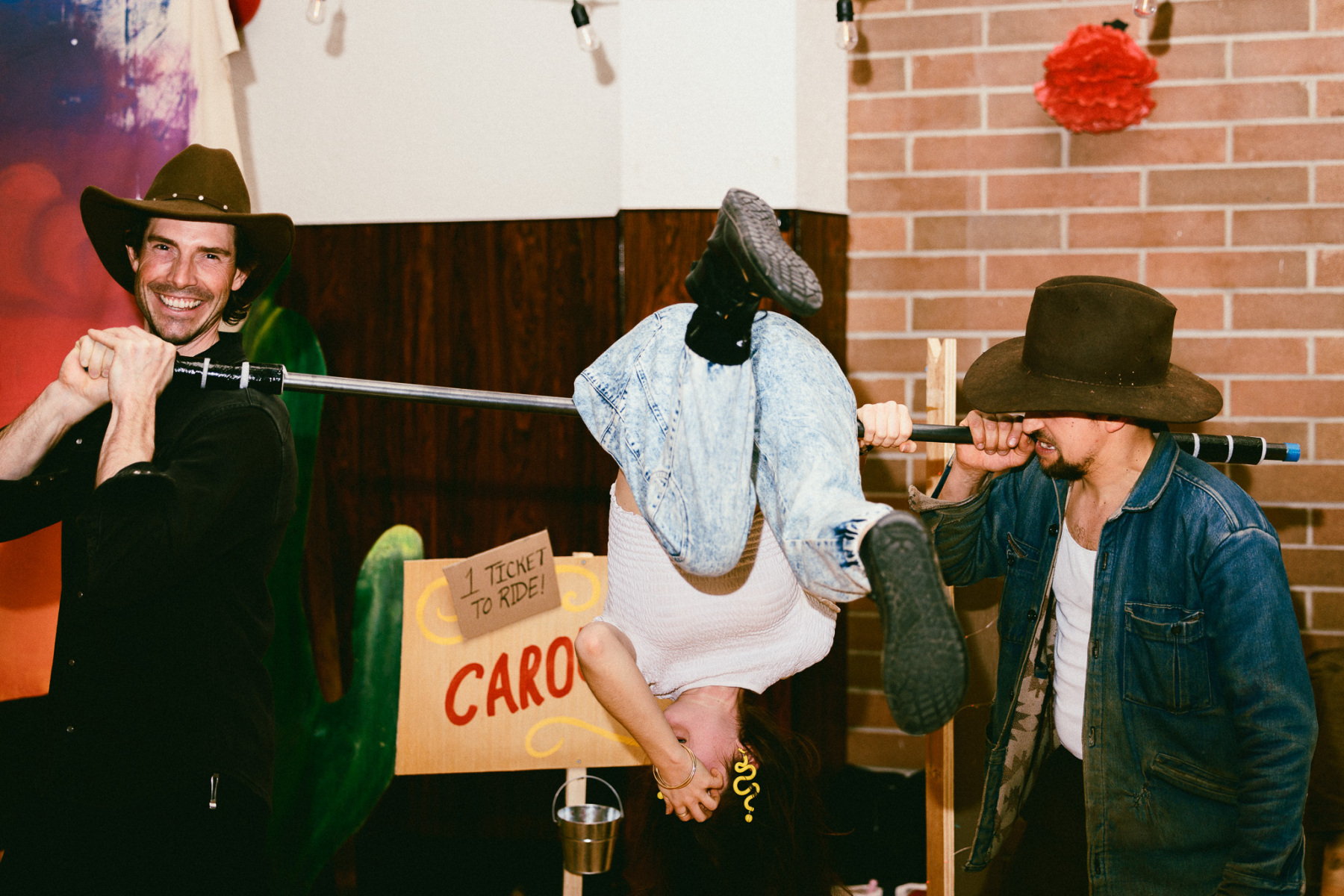
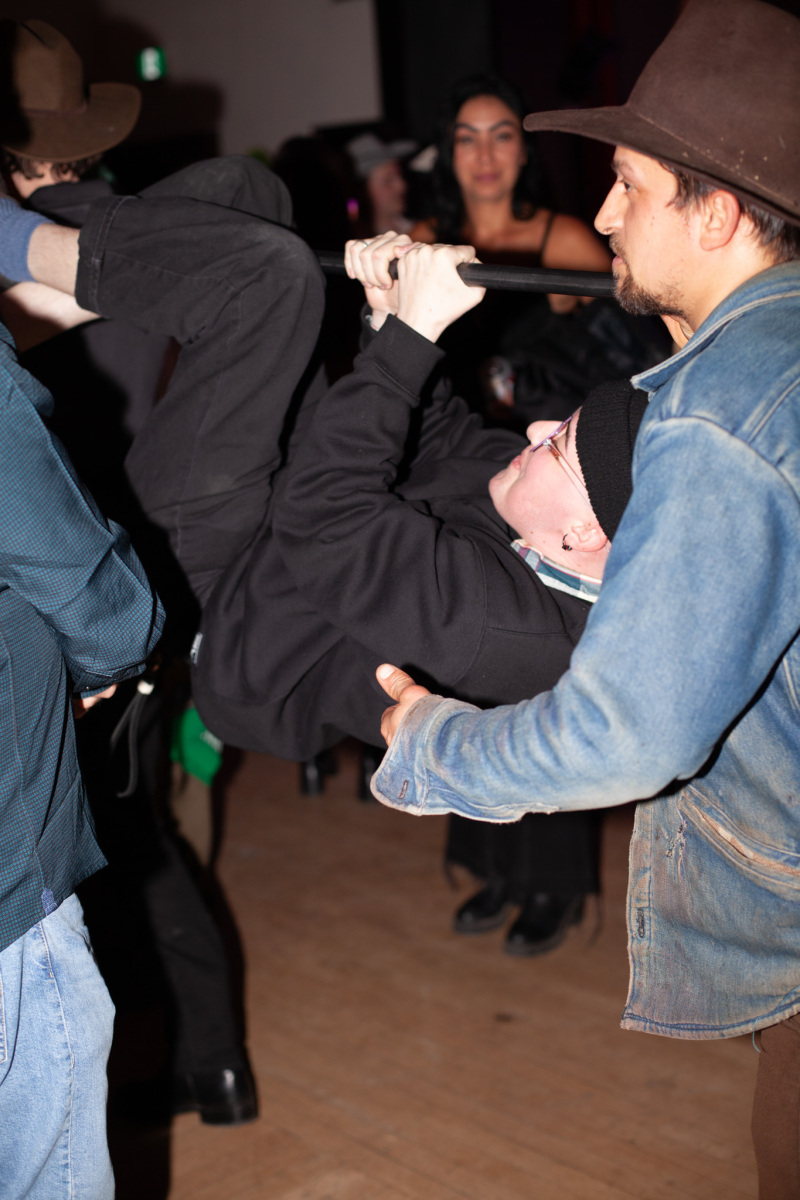
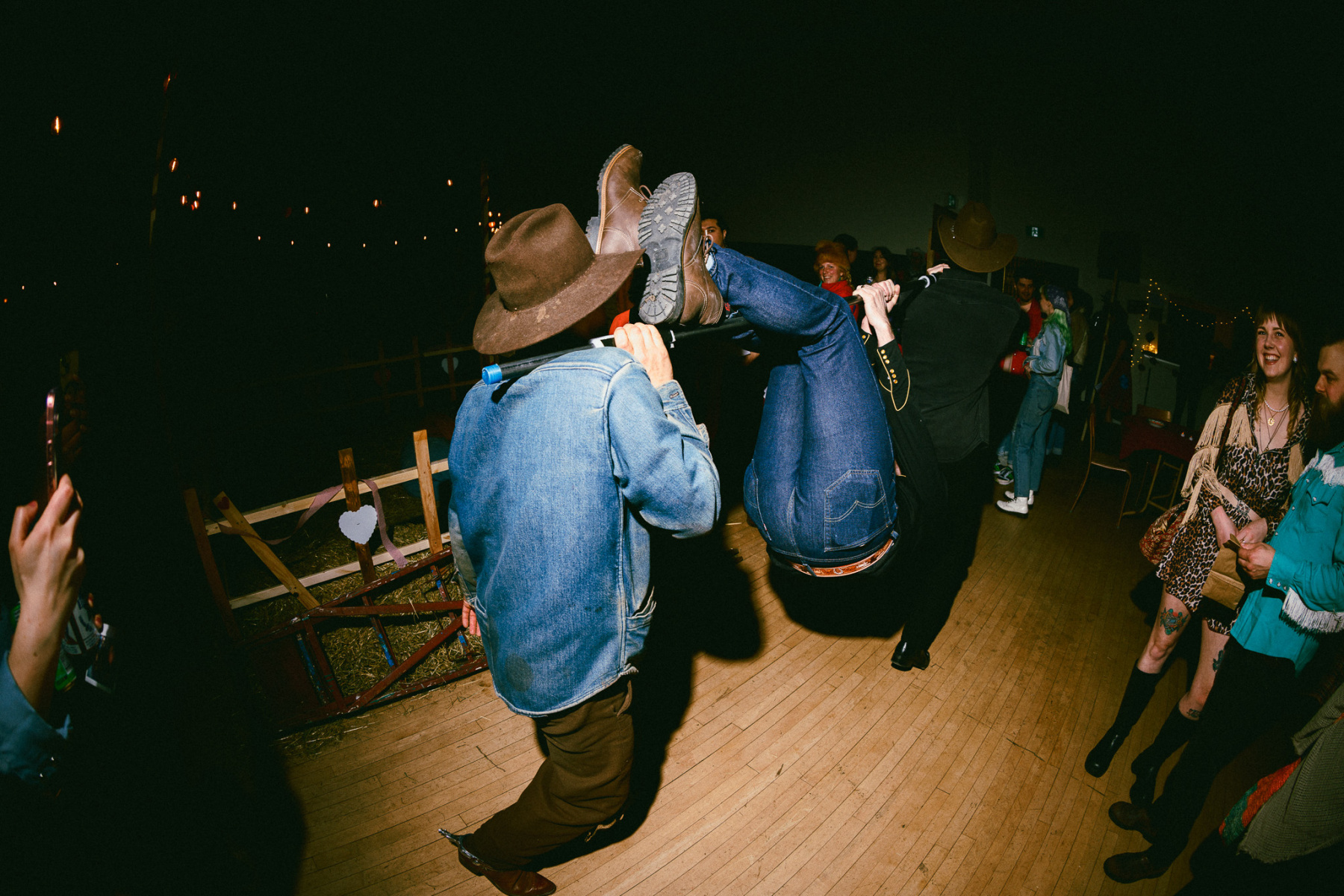
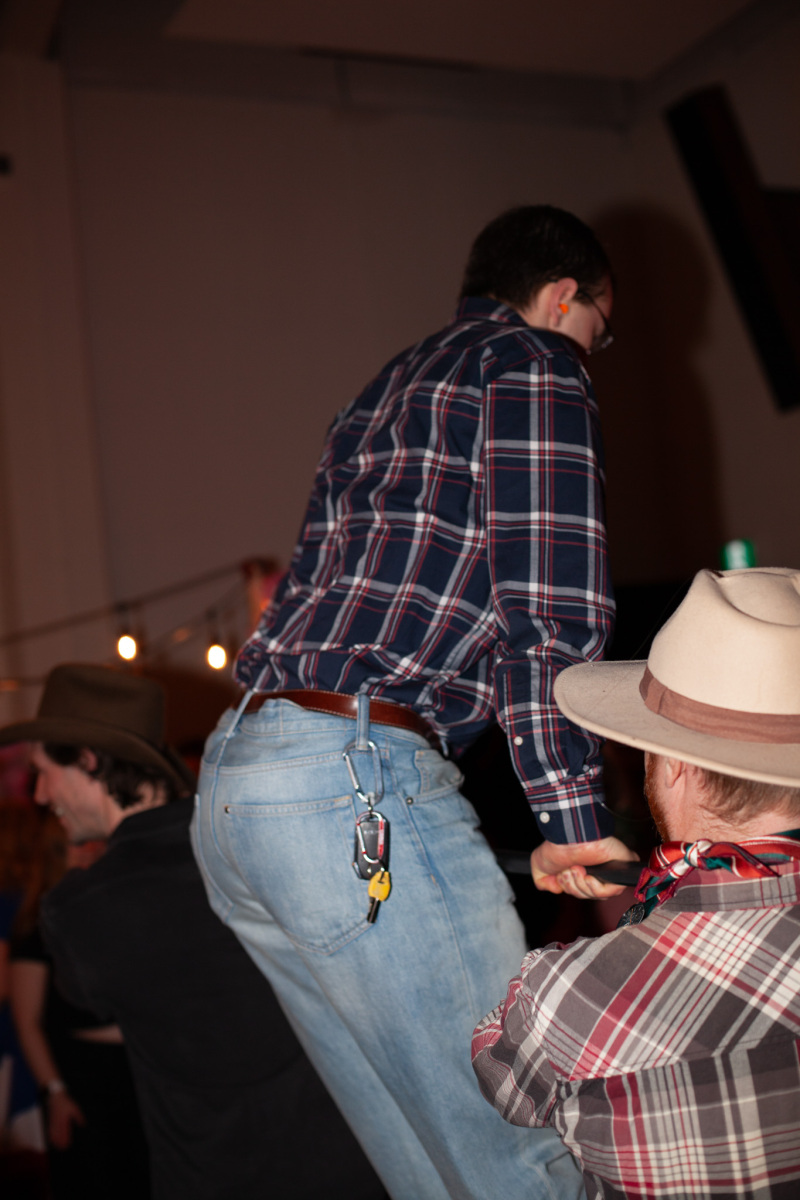
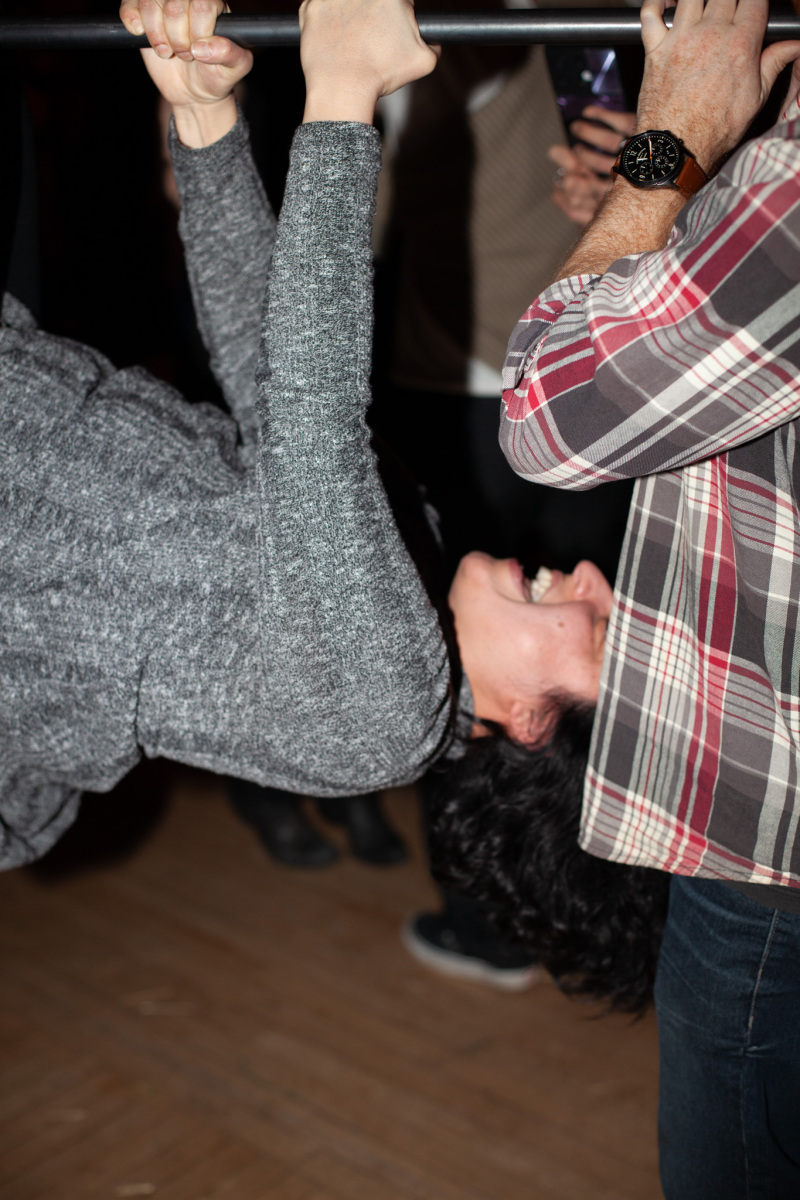
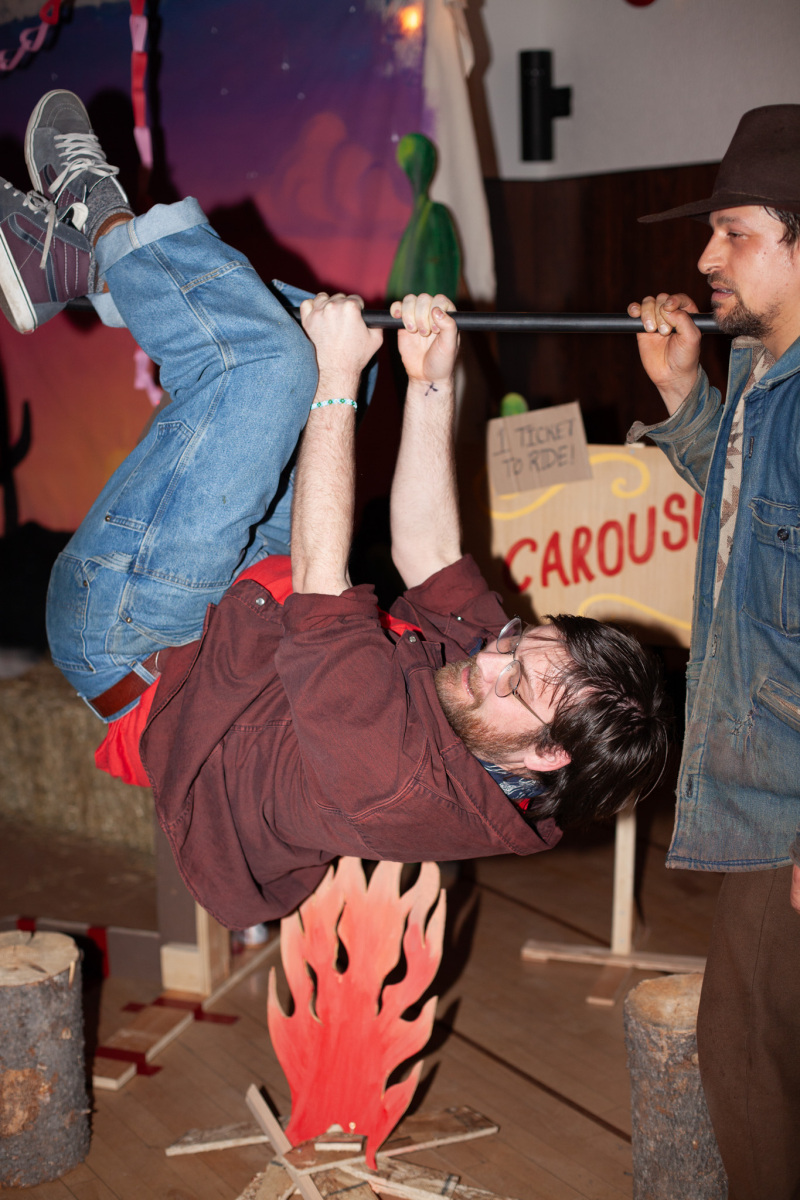
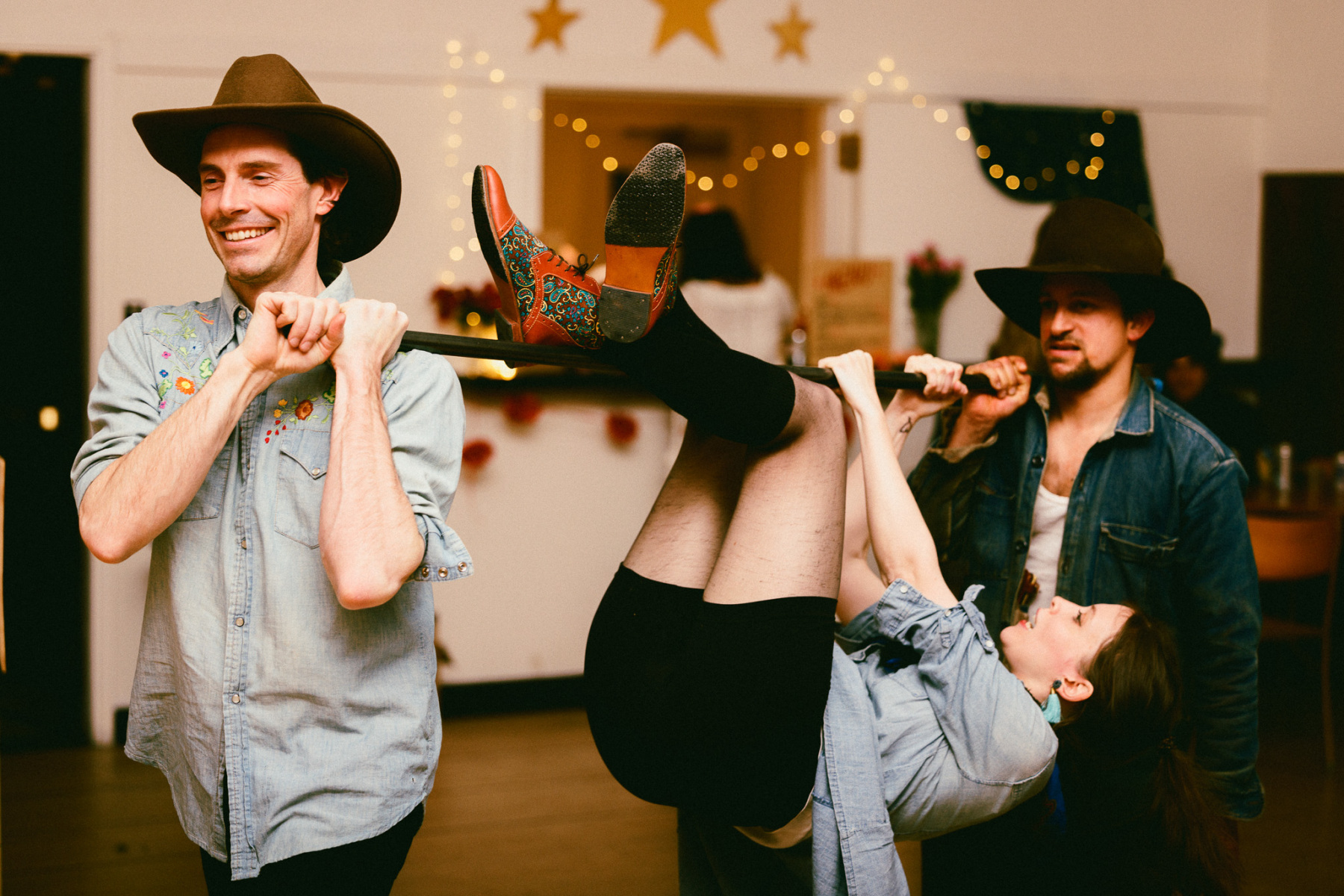
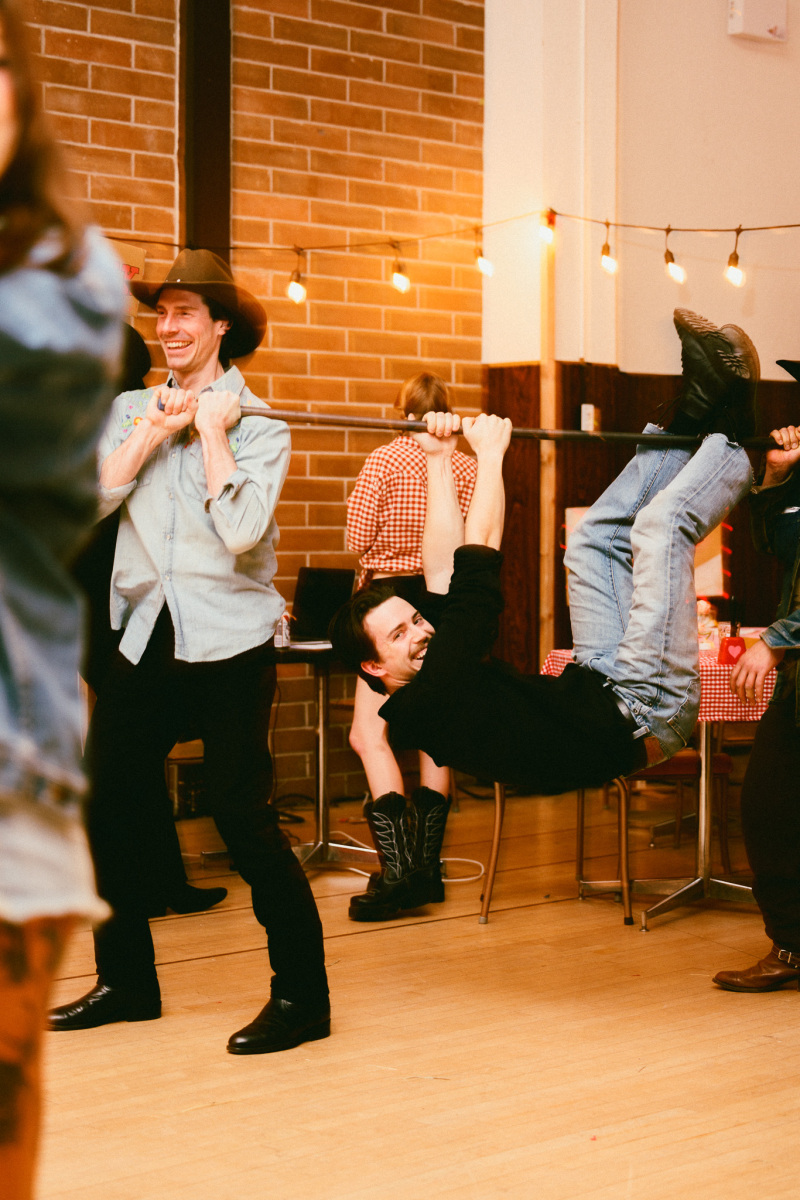
Conceptualized by Brenna Rosen and brought to life by Ben Morton, and operated by Tony Charrette and Jason Tait, the Carrousel is the County Fair’s first ever ride. Our carrousel is a minimalistic approach to the old medieval practice of riding horses in circles for battle drills and royal entertainment. Taking the metal bar design from the more modern mechanical carrousels, and having the rider hang on to that bar, we transform the rider into the horse – but horizontal. As our carrousel takes you around our fair square the sea of dancers and fair attendees opens up to let you through, and your perspective of the fair changes while you are paraded in all your glory.
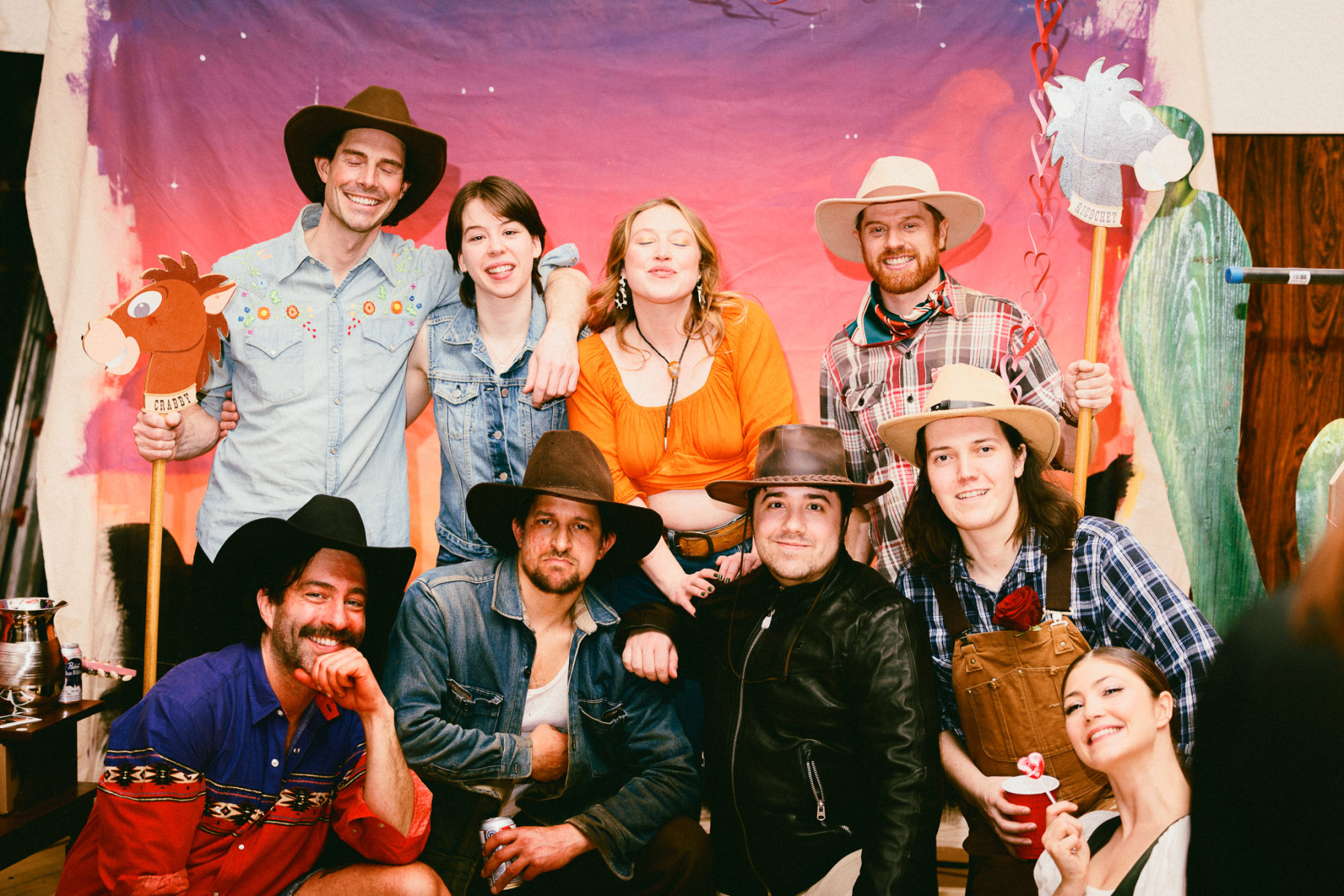
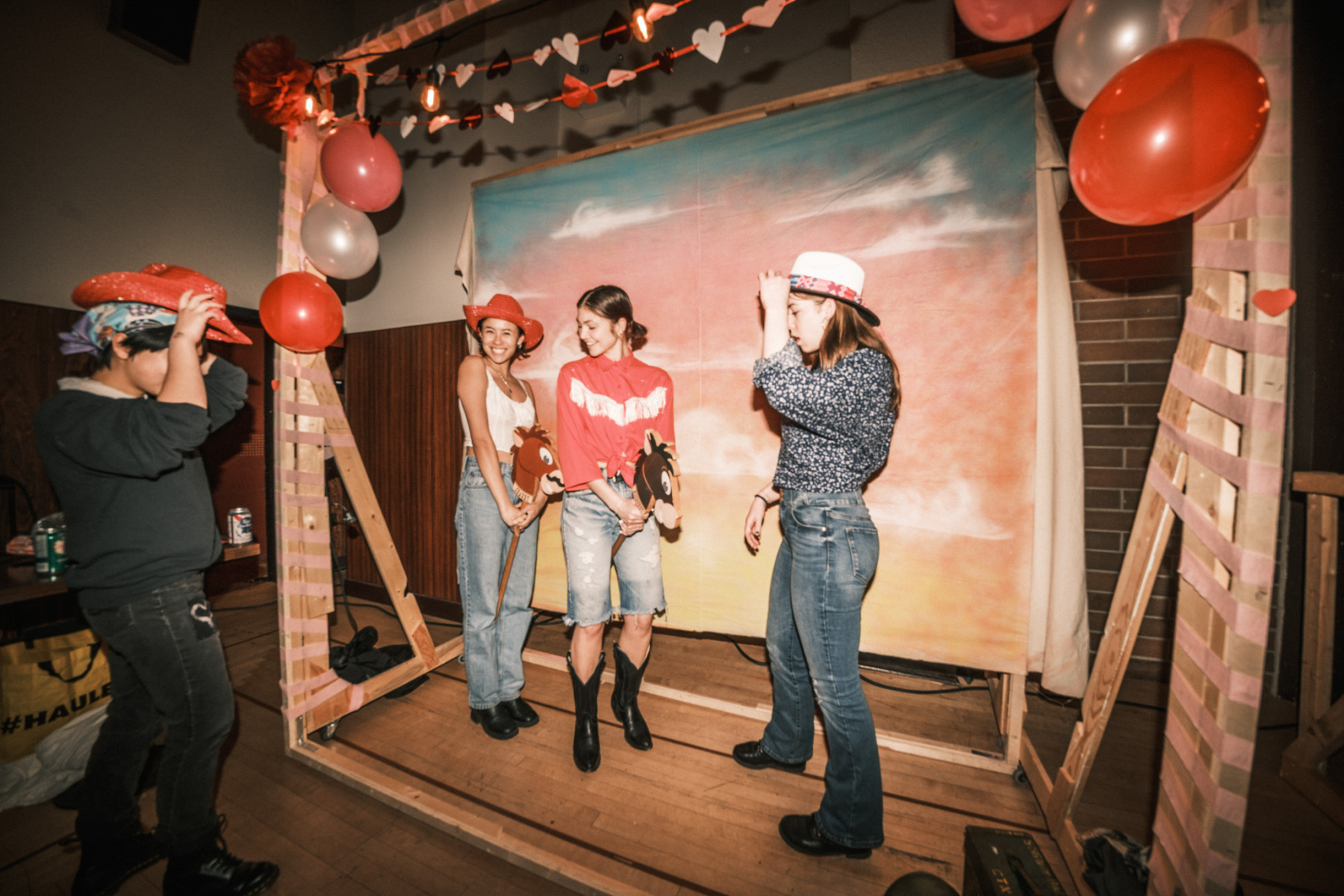
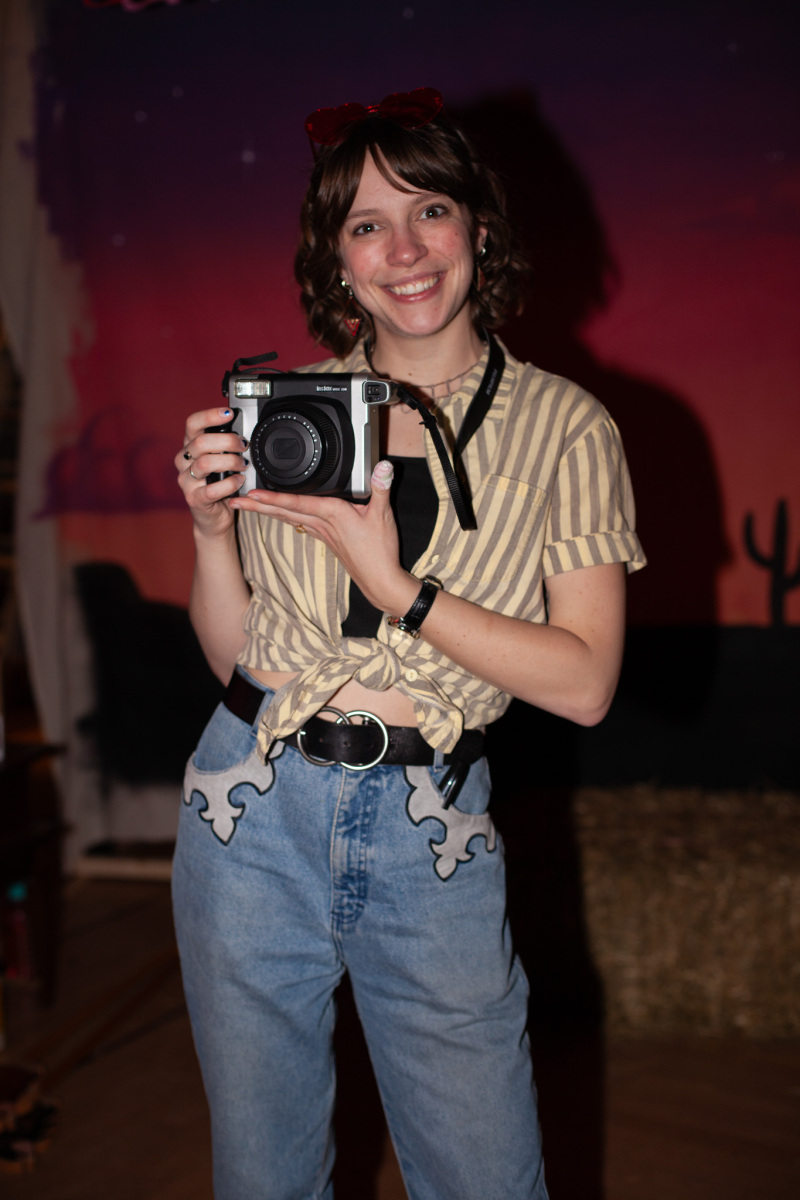
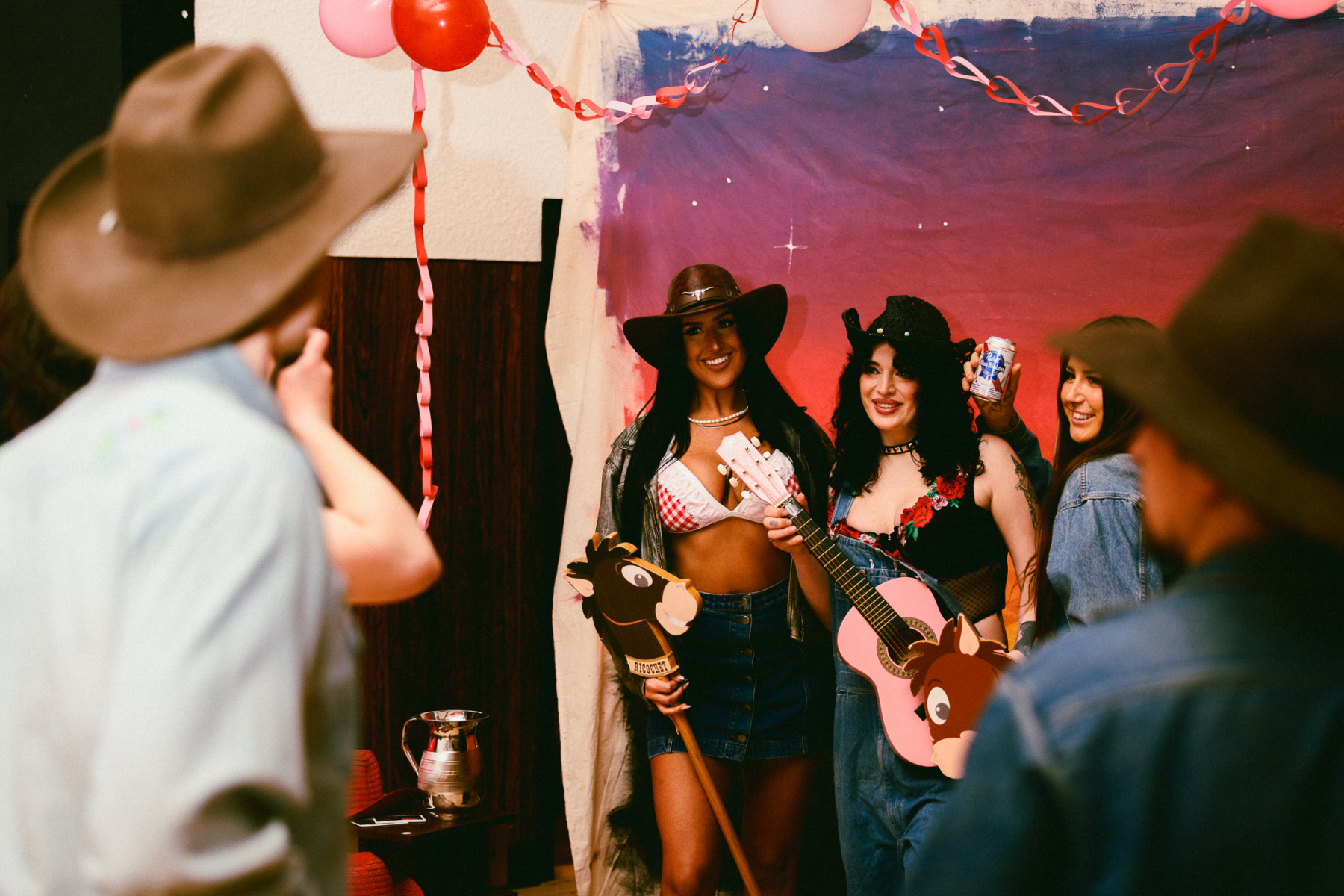
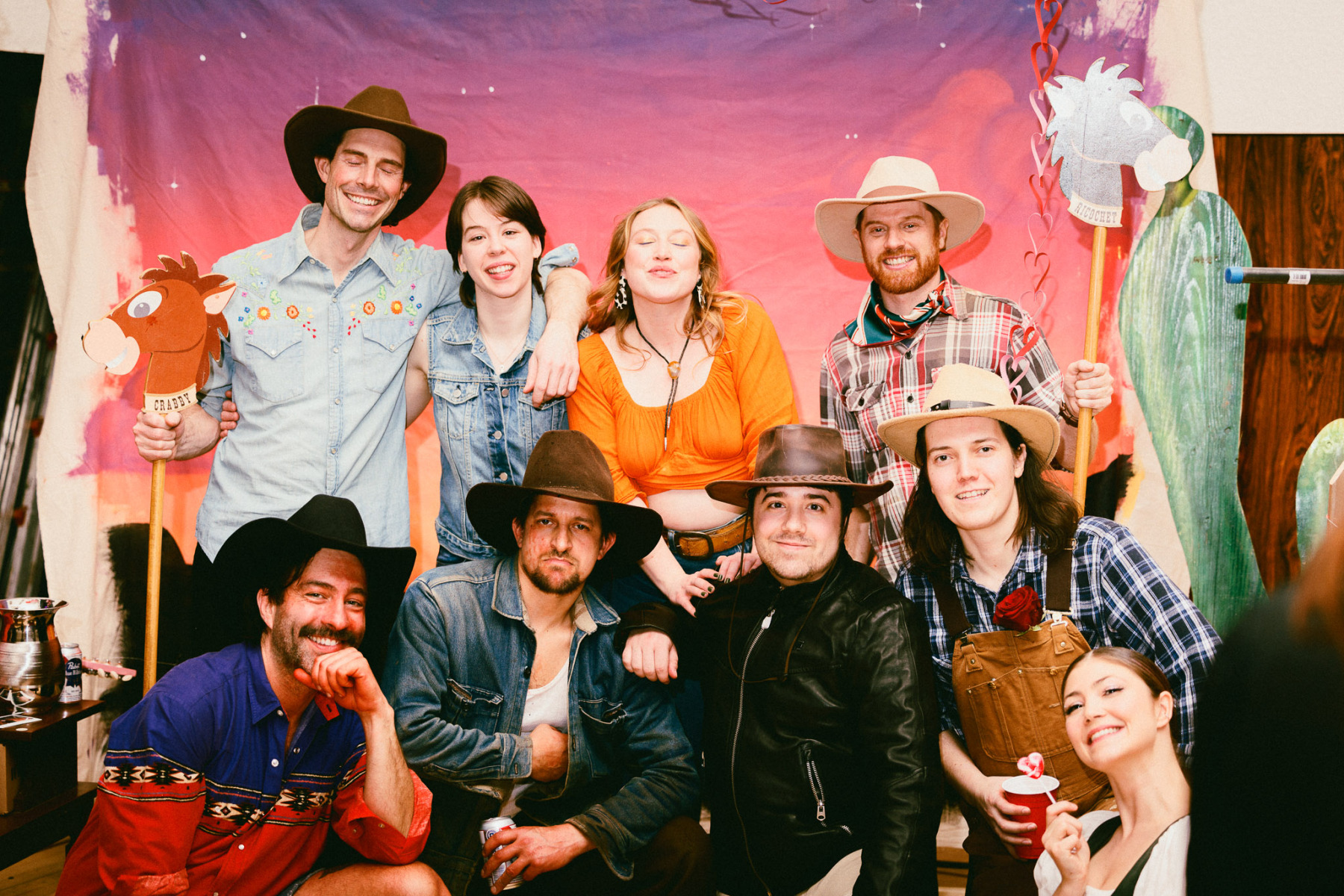
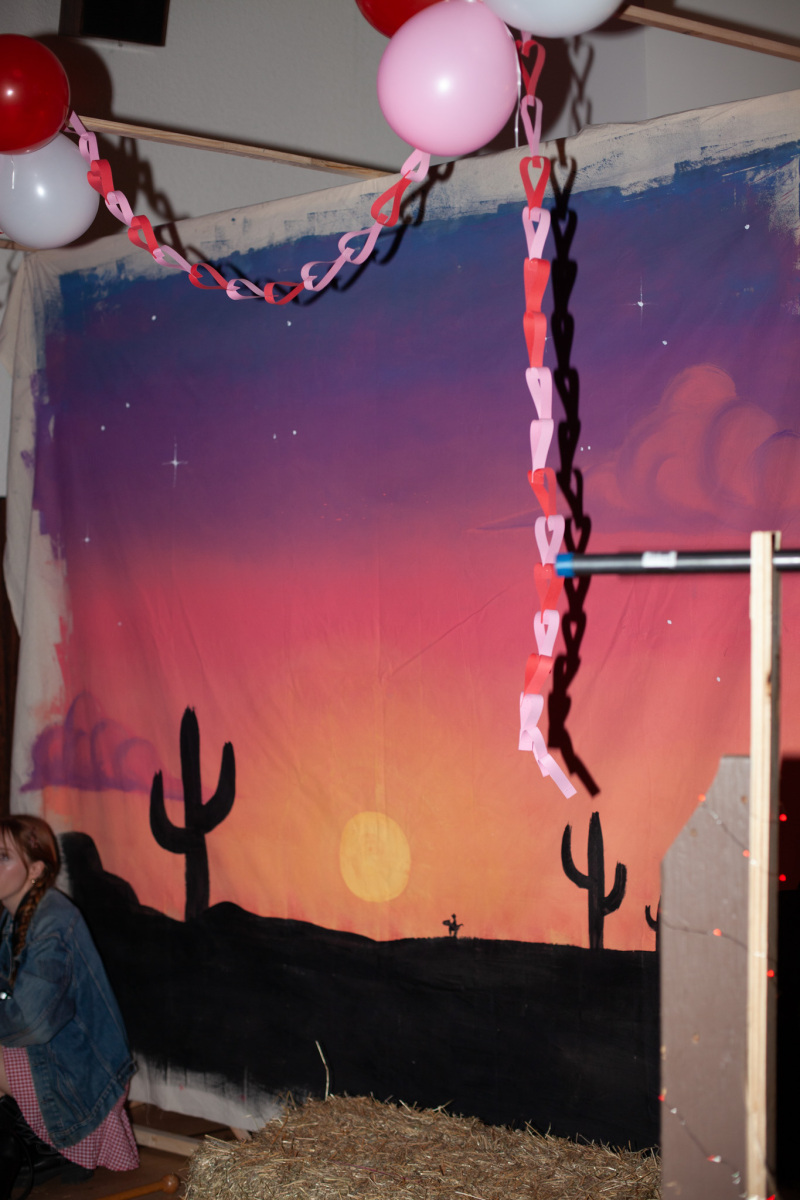
Photo Booth
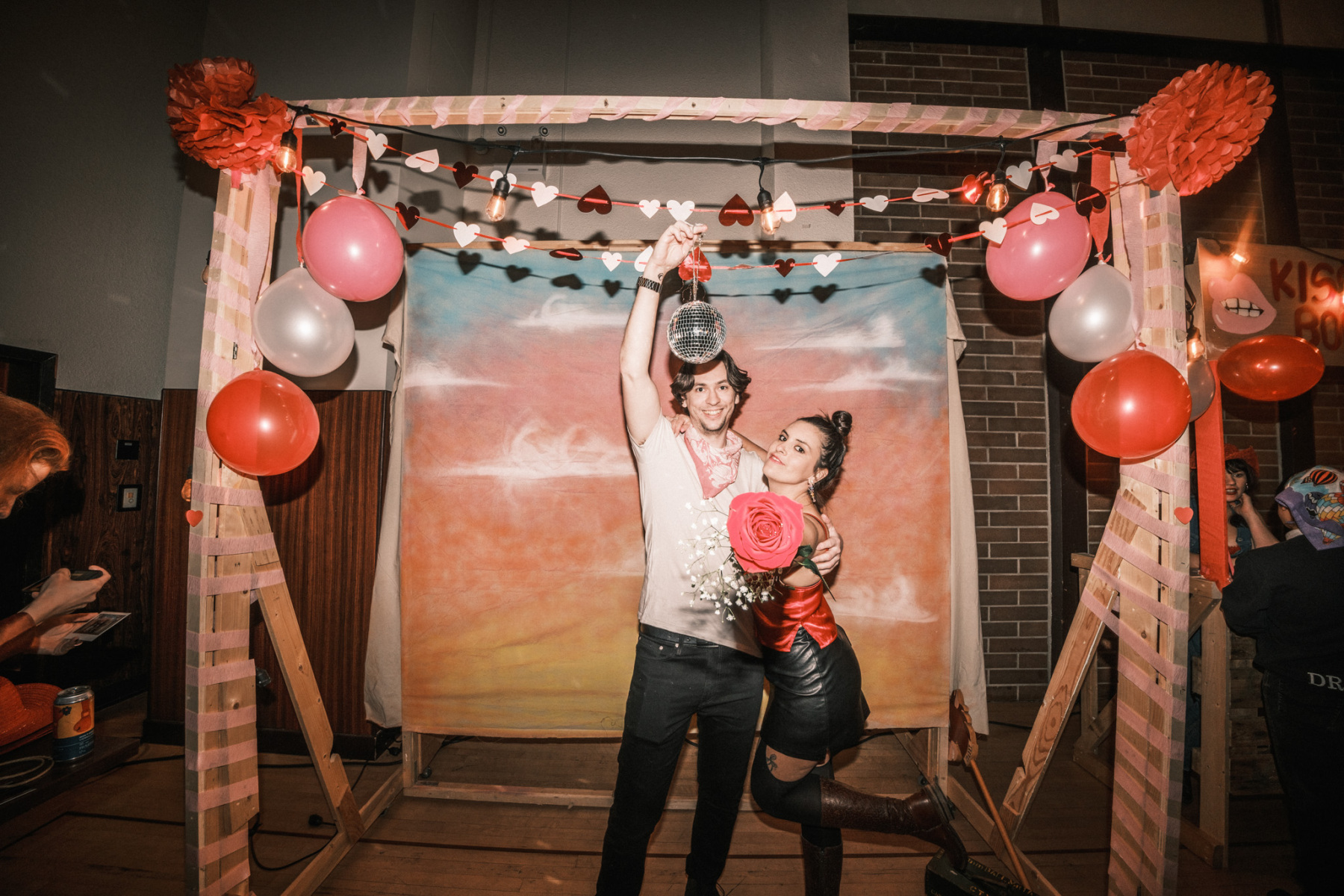
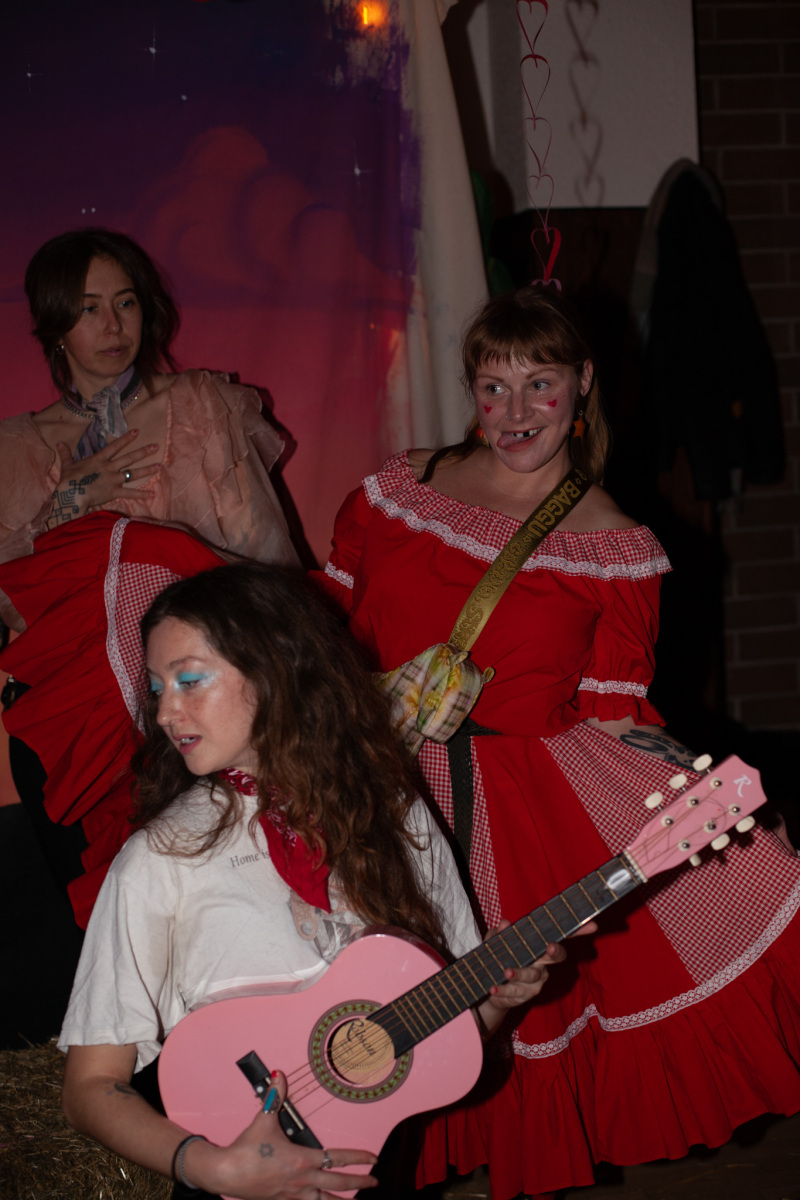
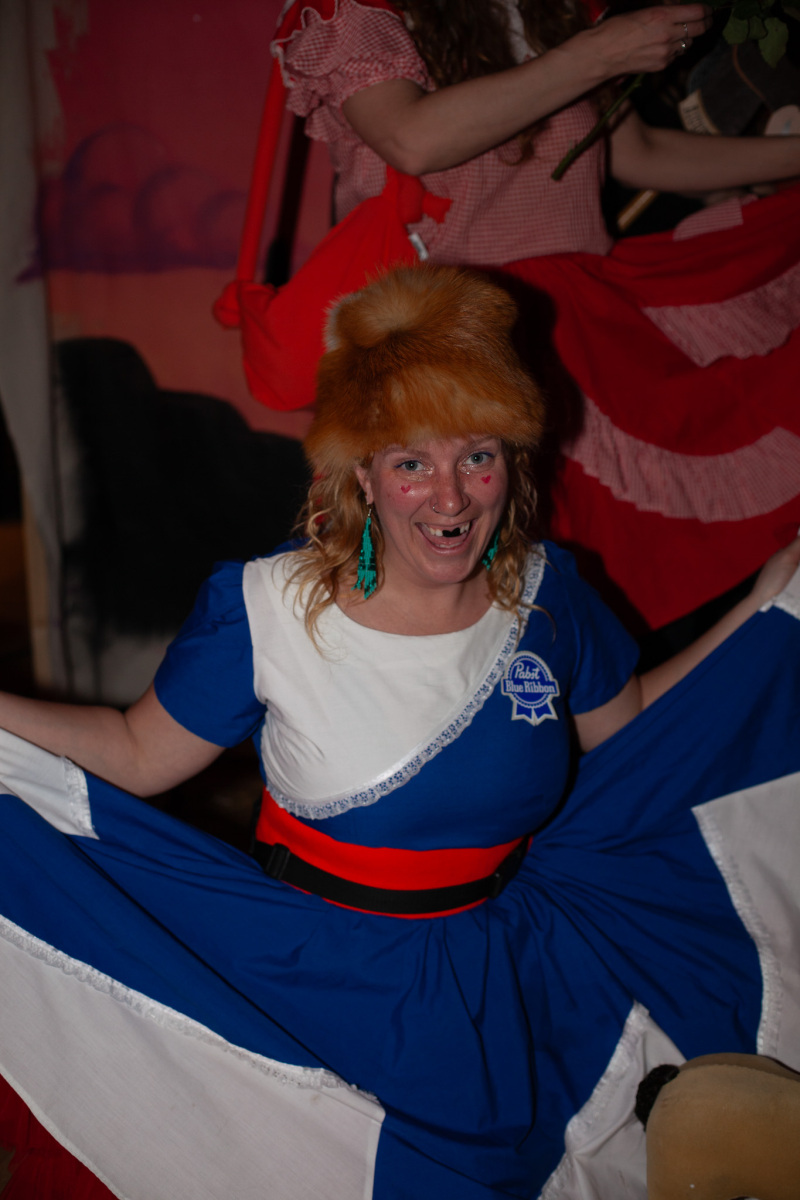
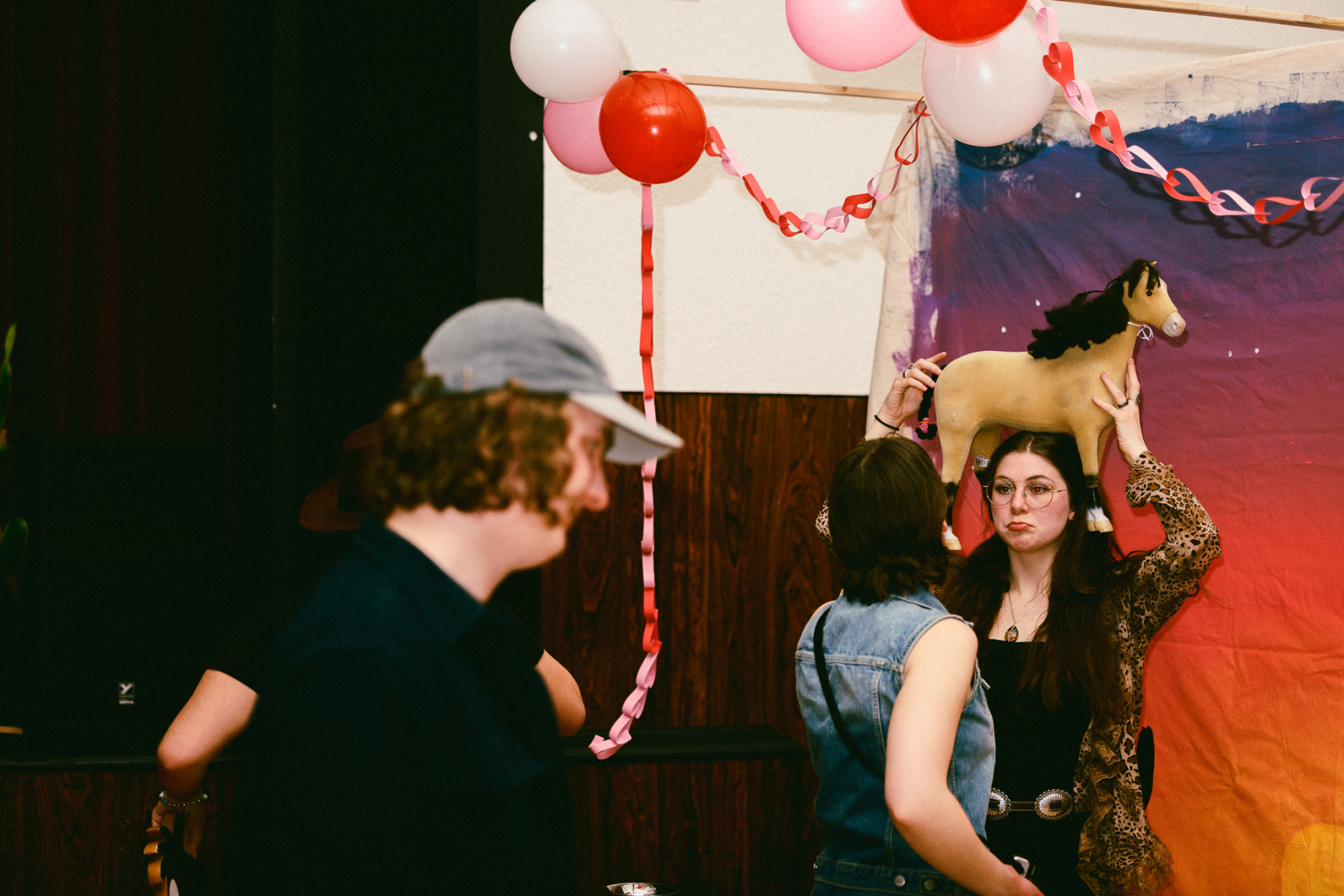
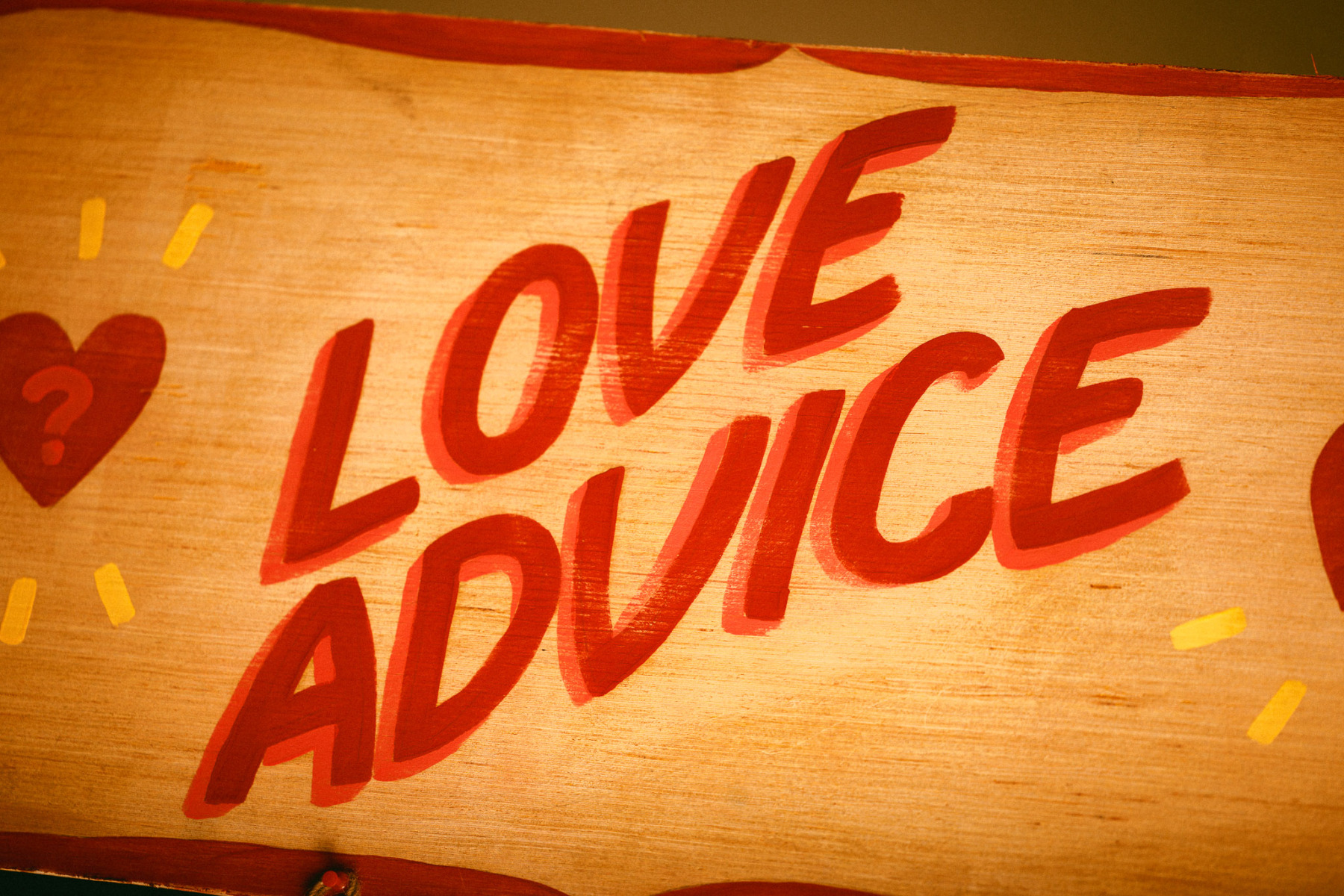
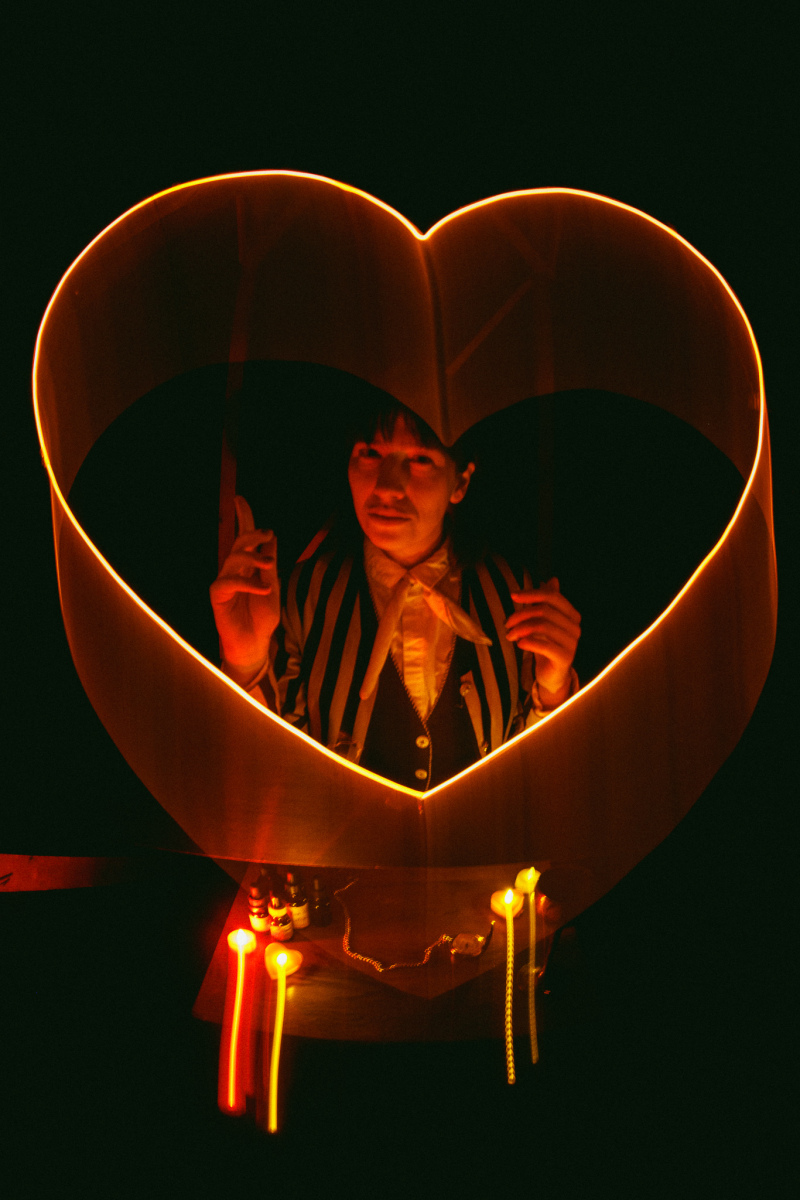
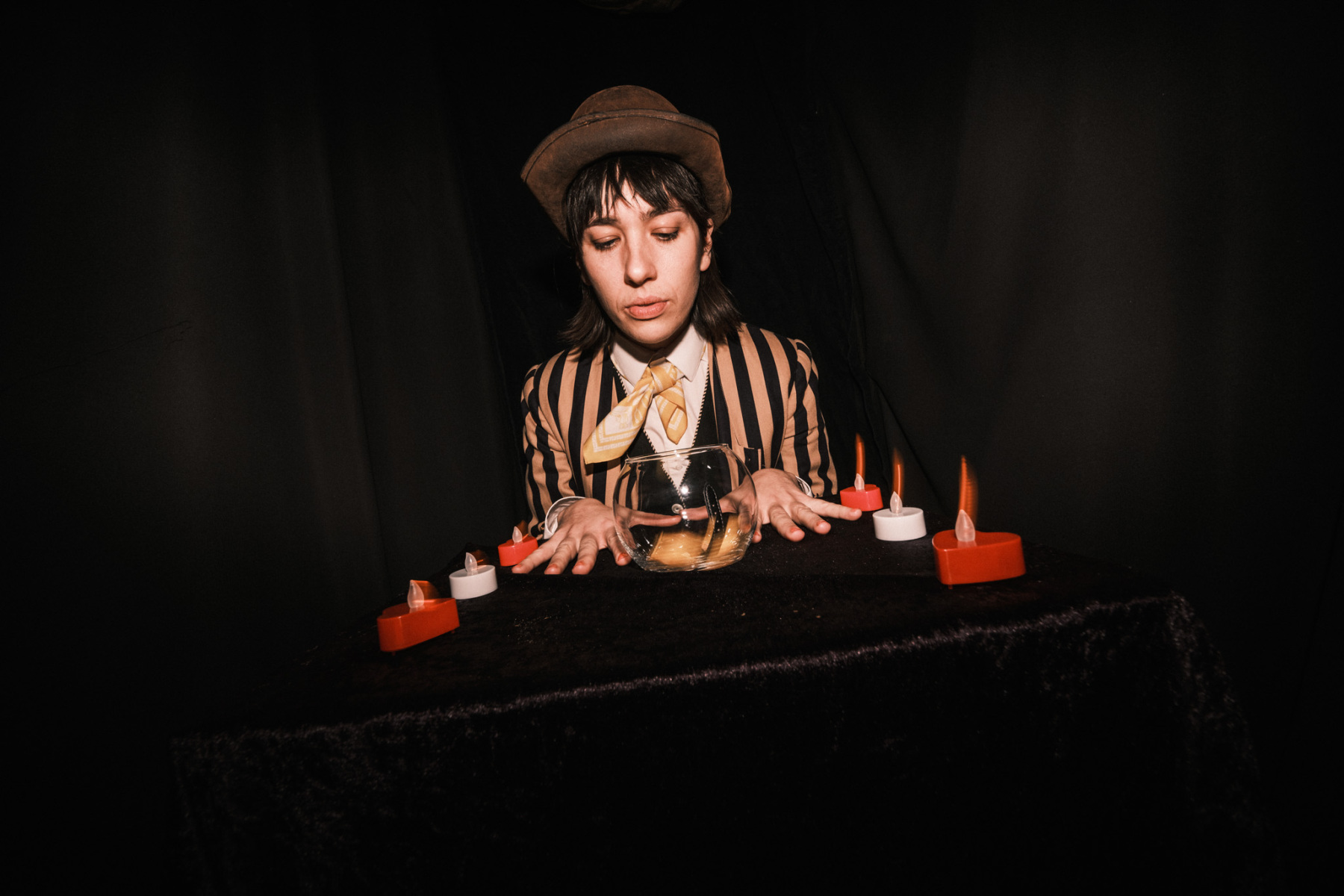
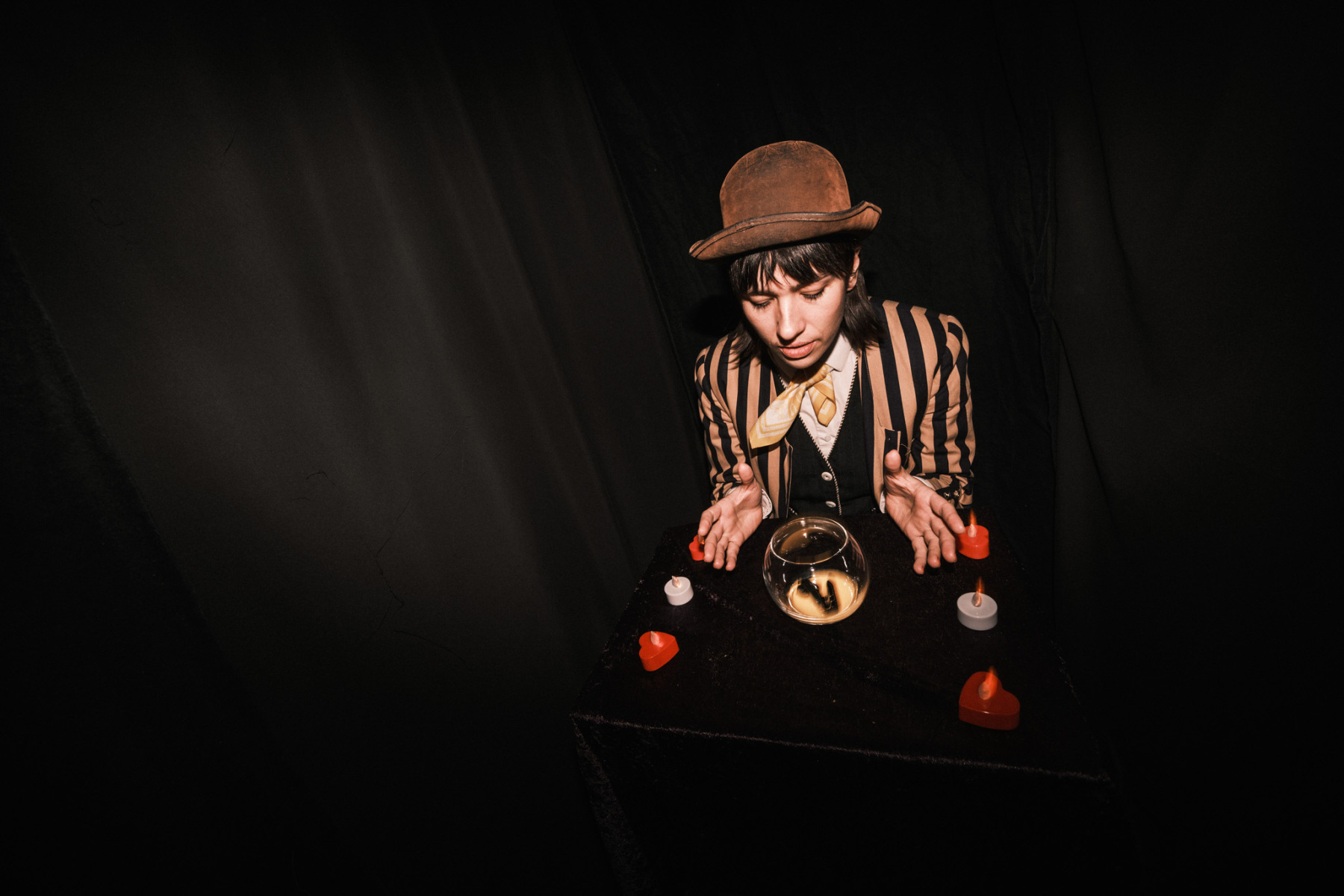
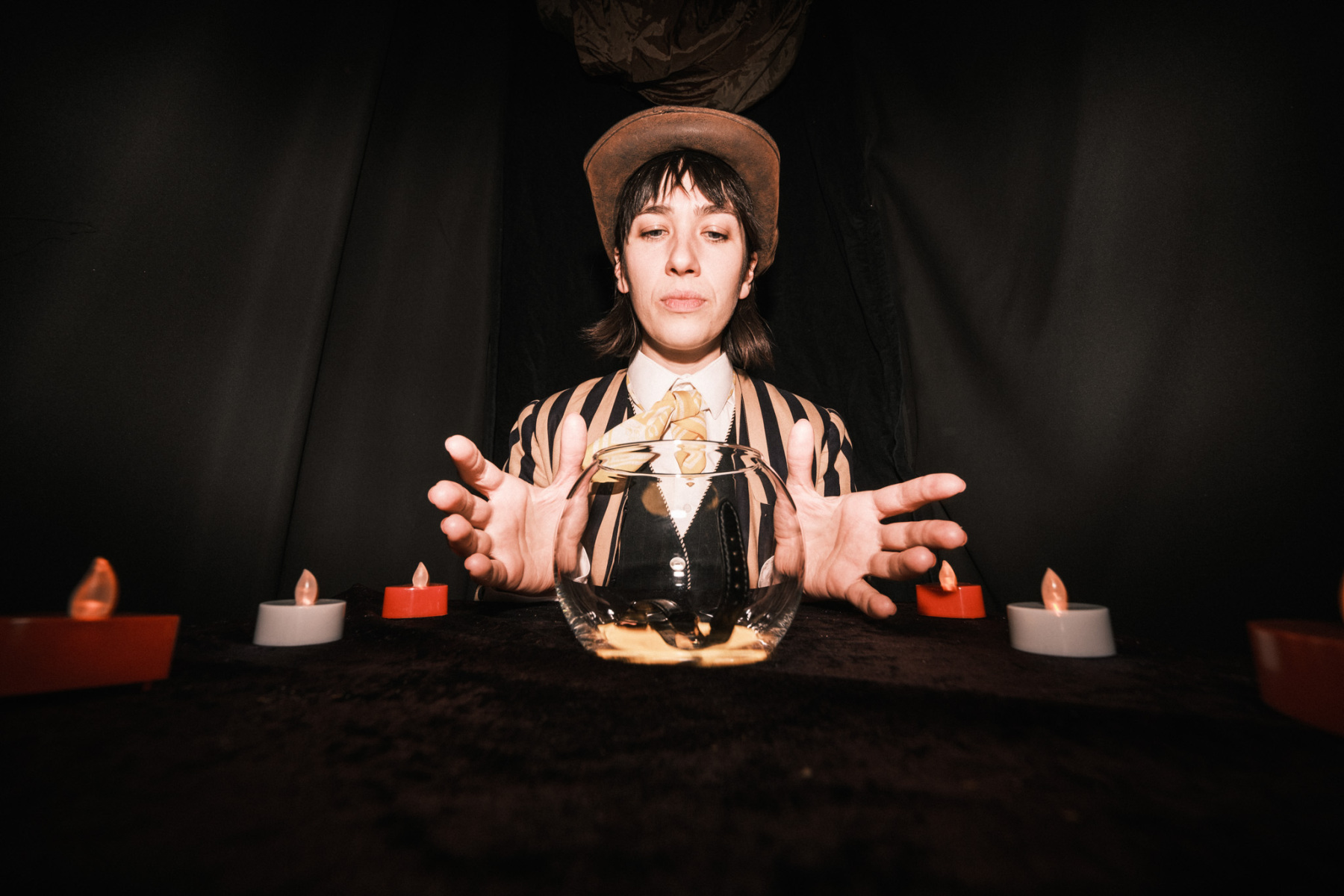
Love Advice, Predictions, Confessions
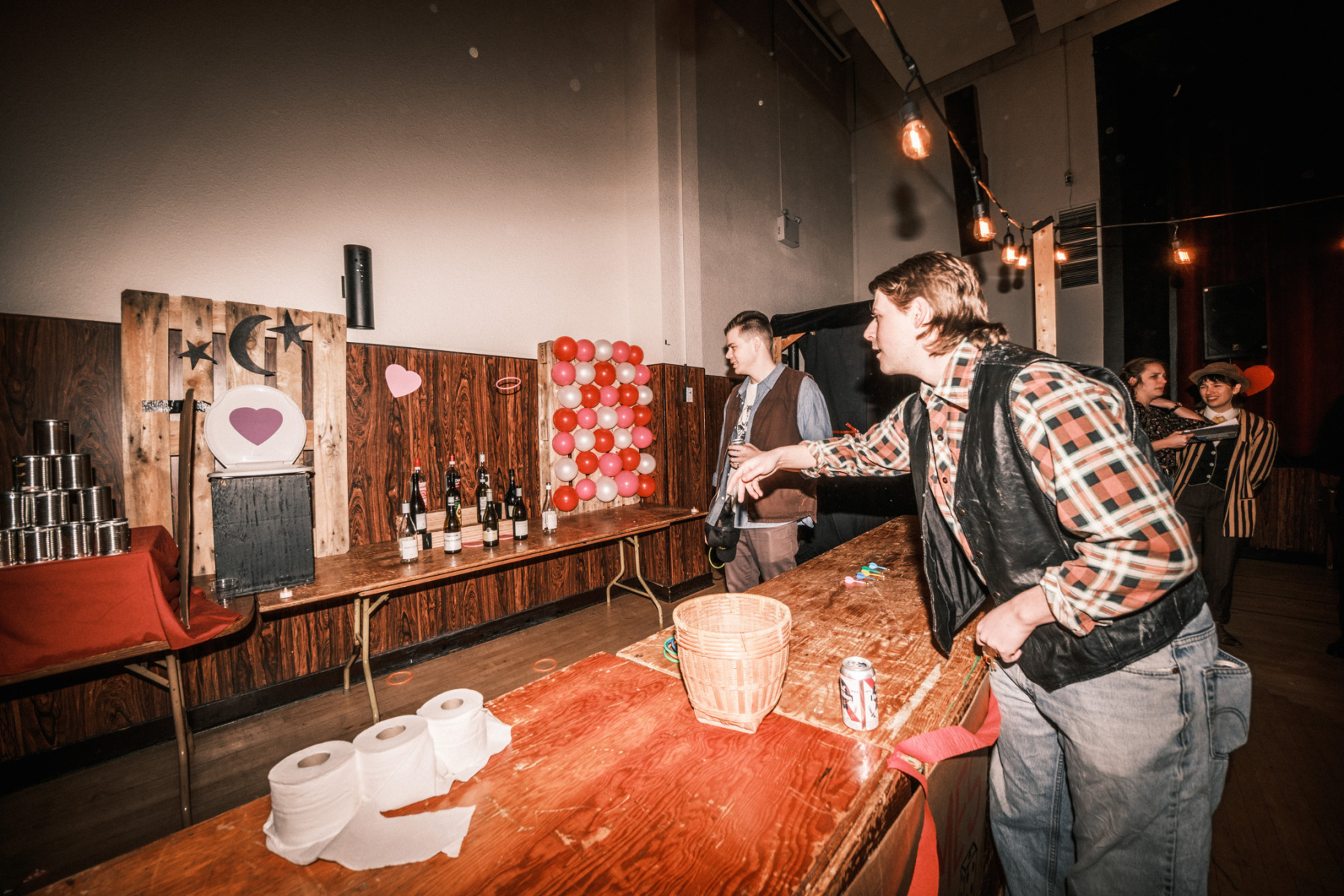
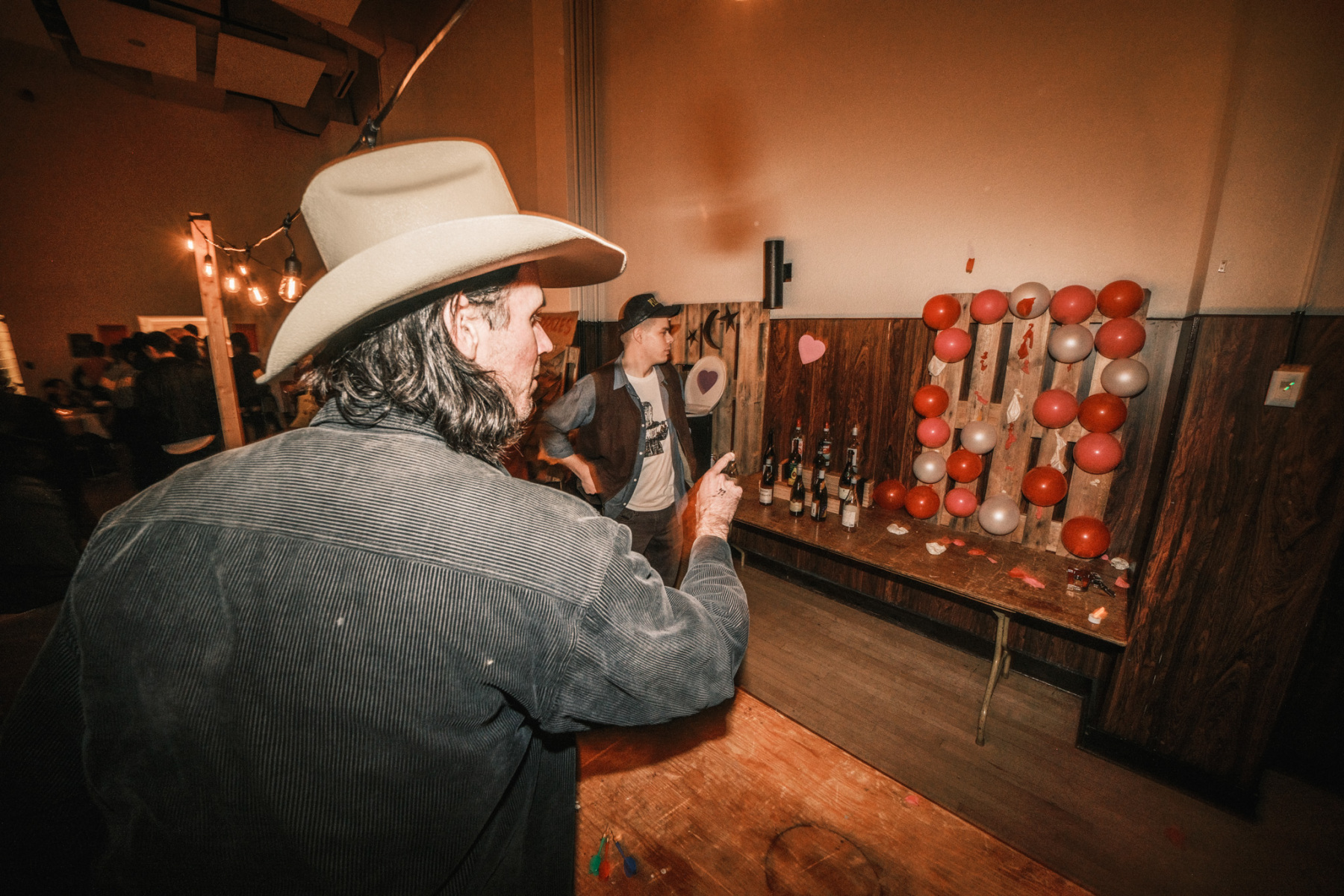
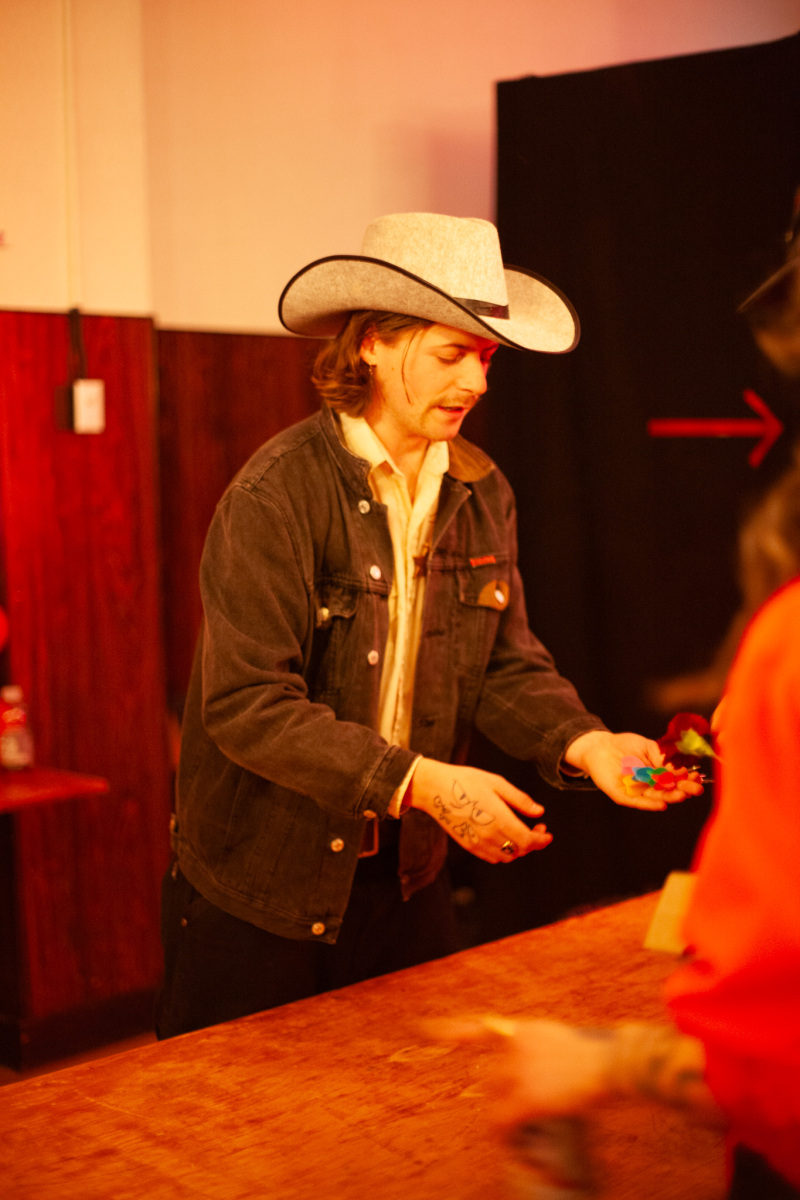
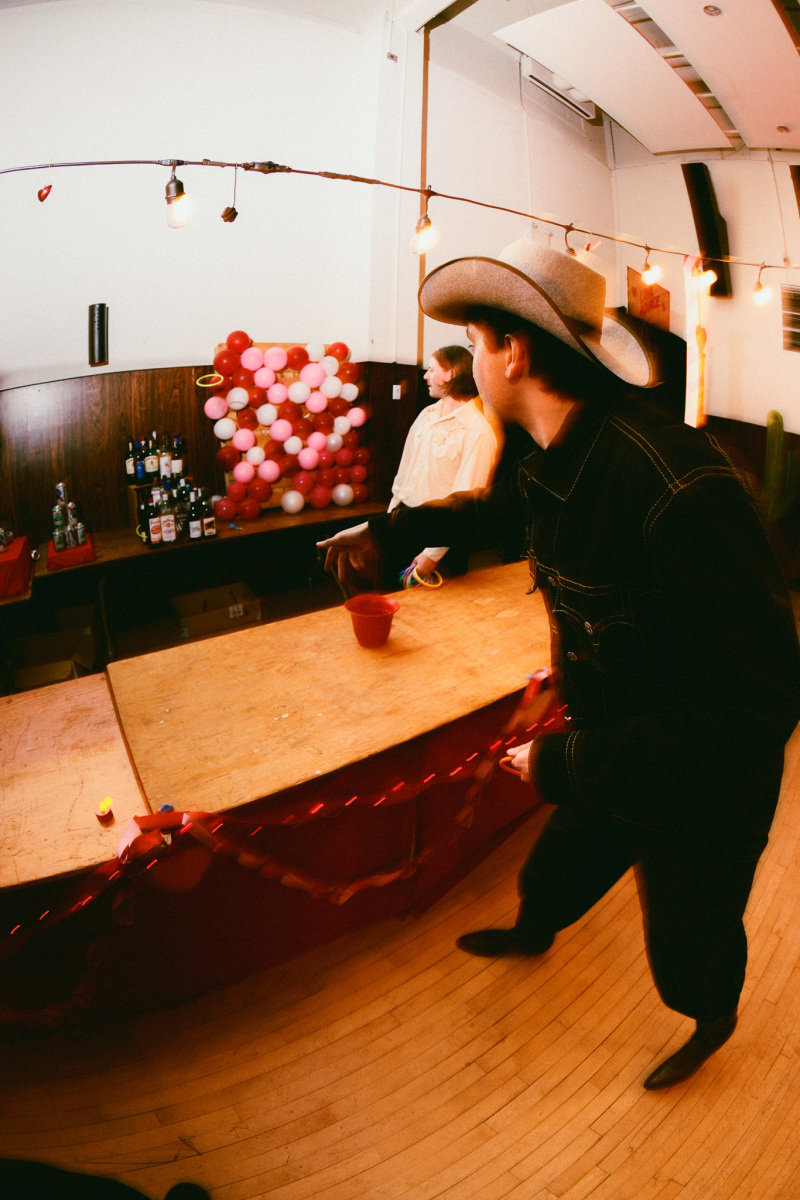
Games
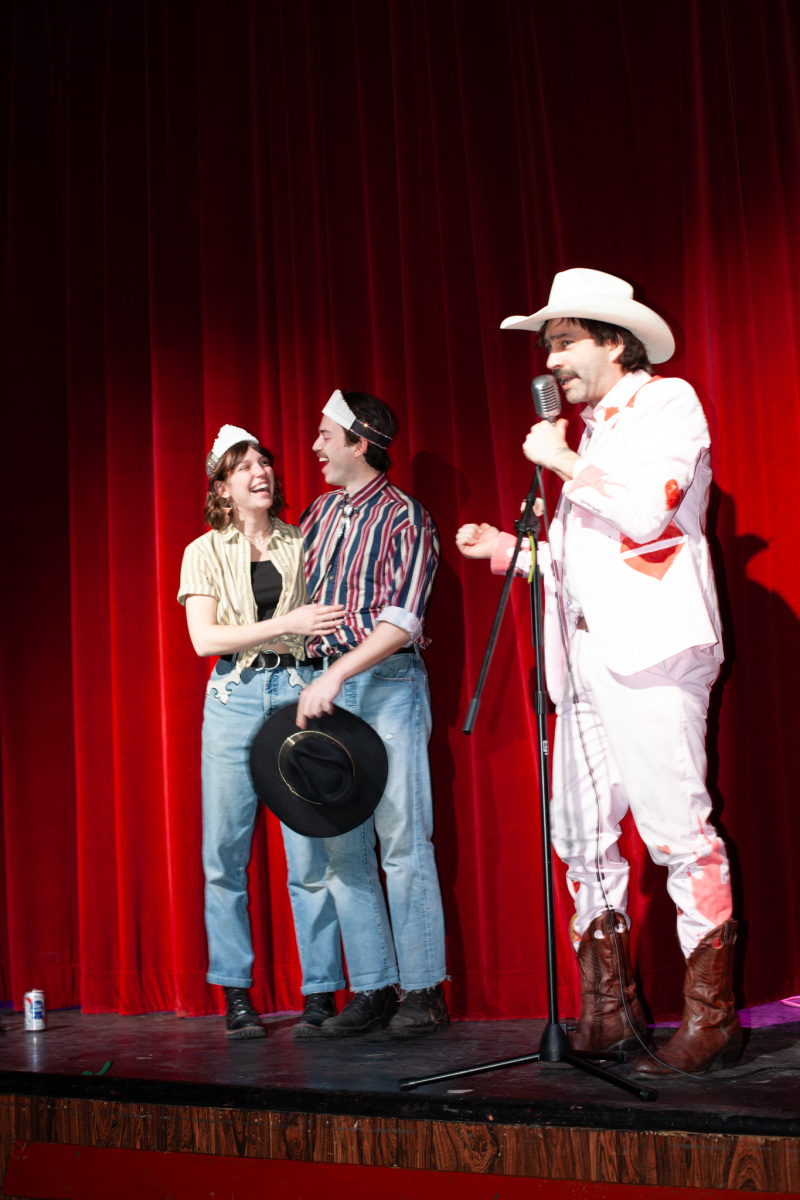
The Royals
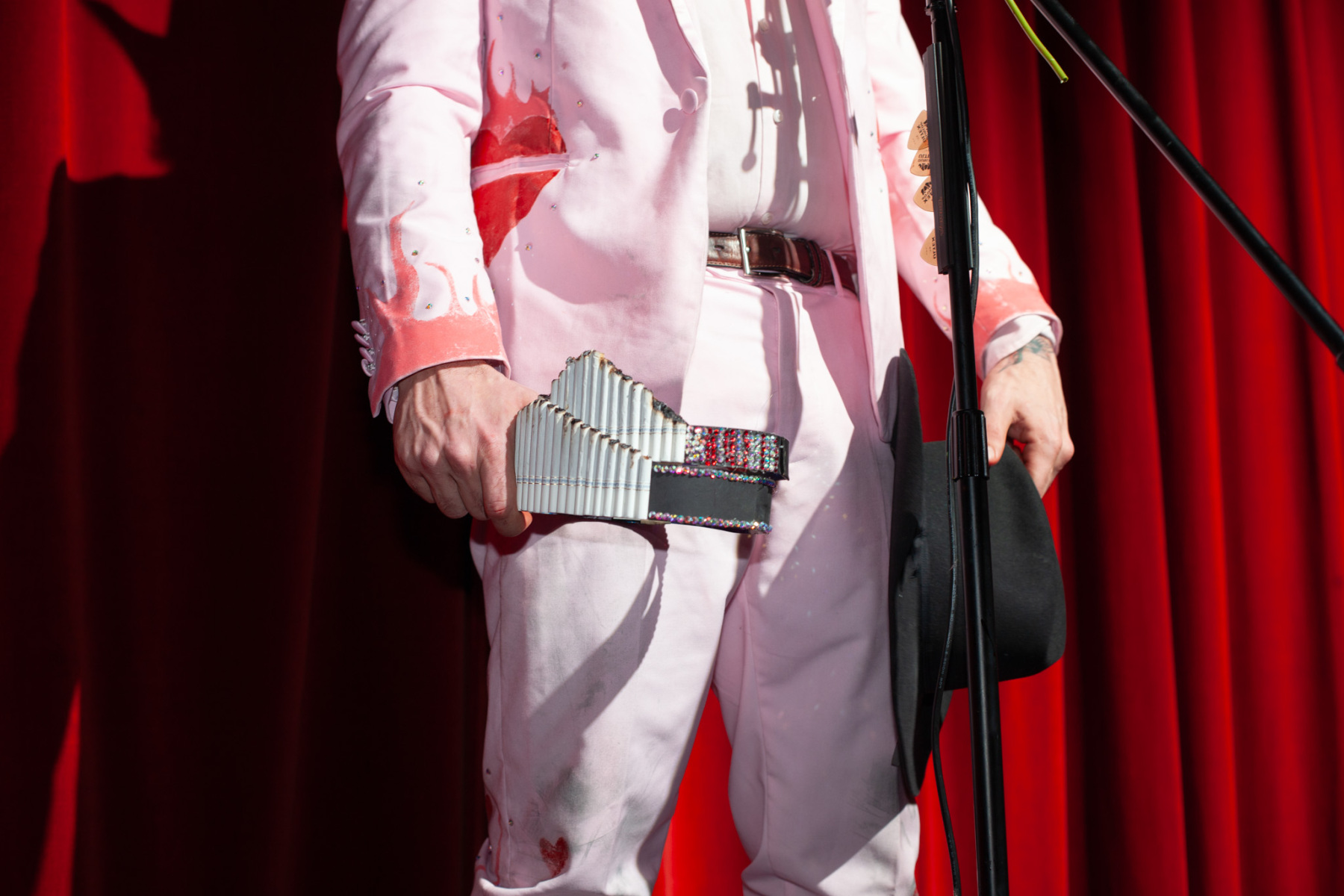
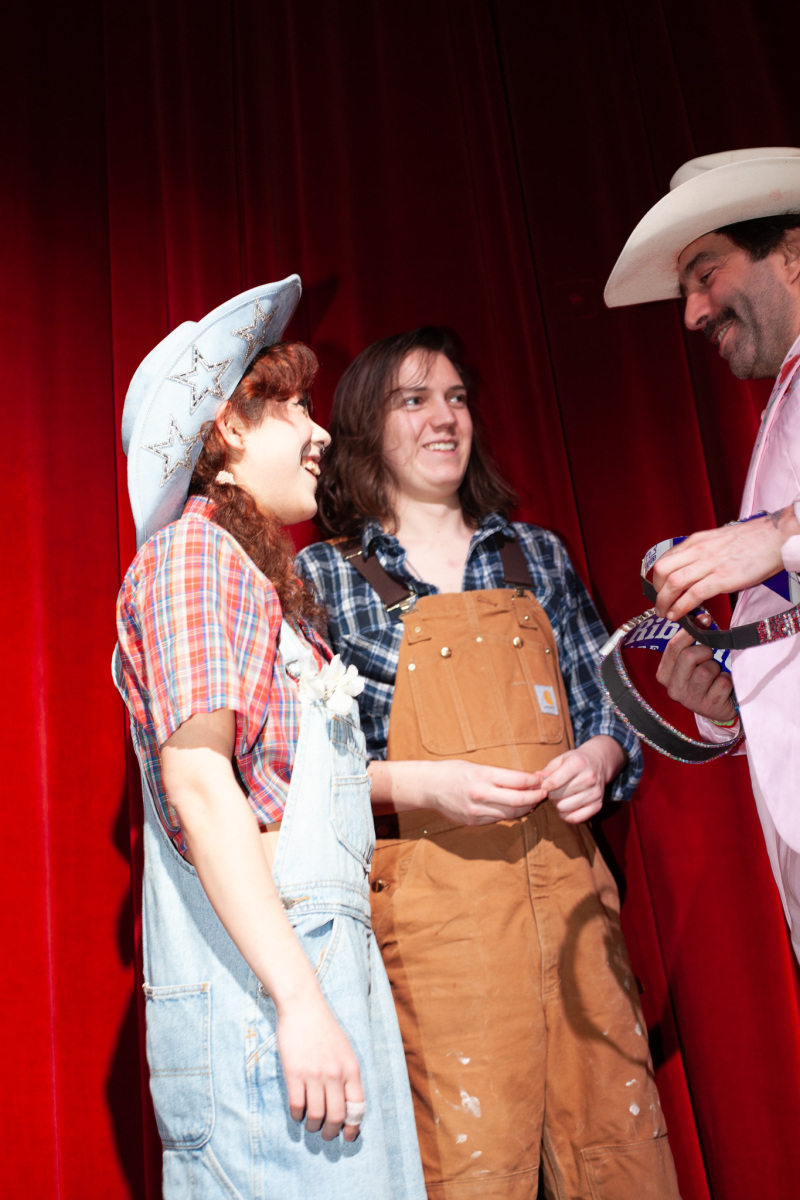
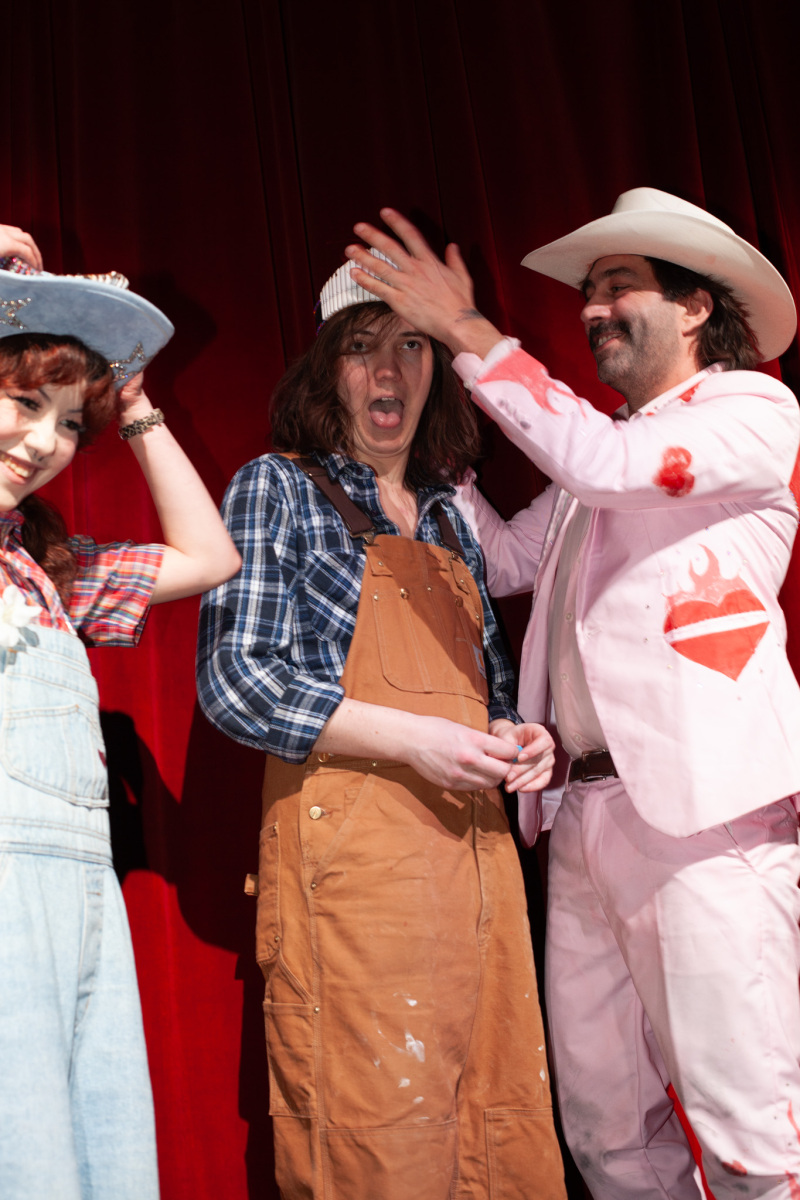
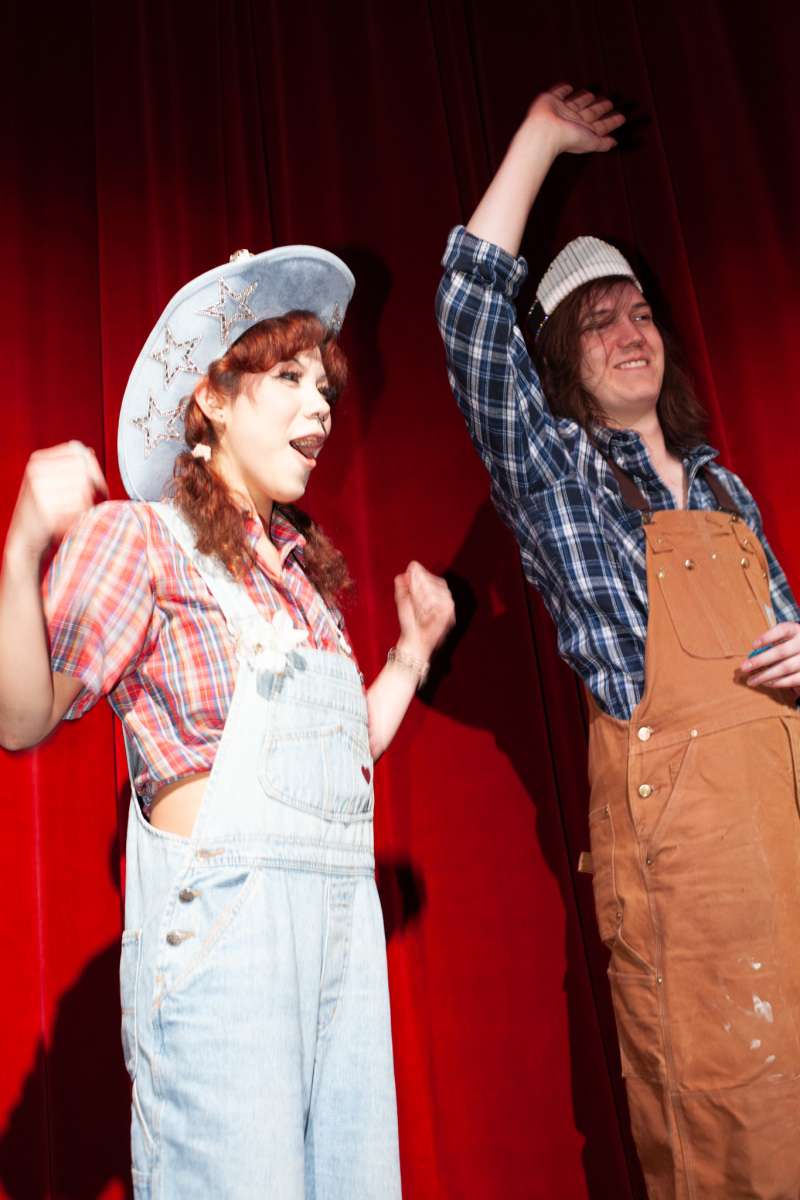
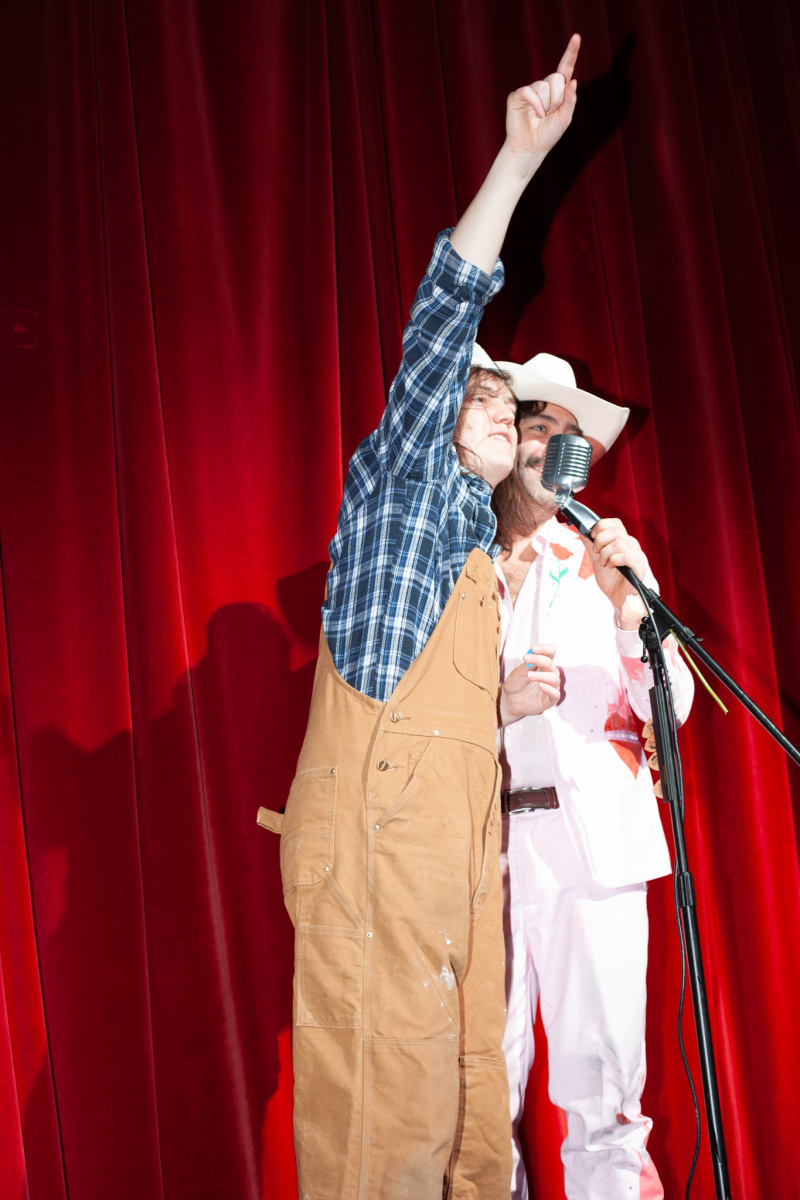
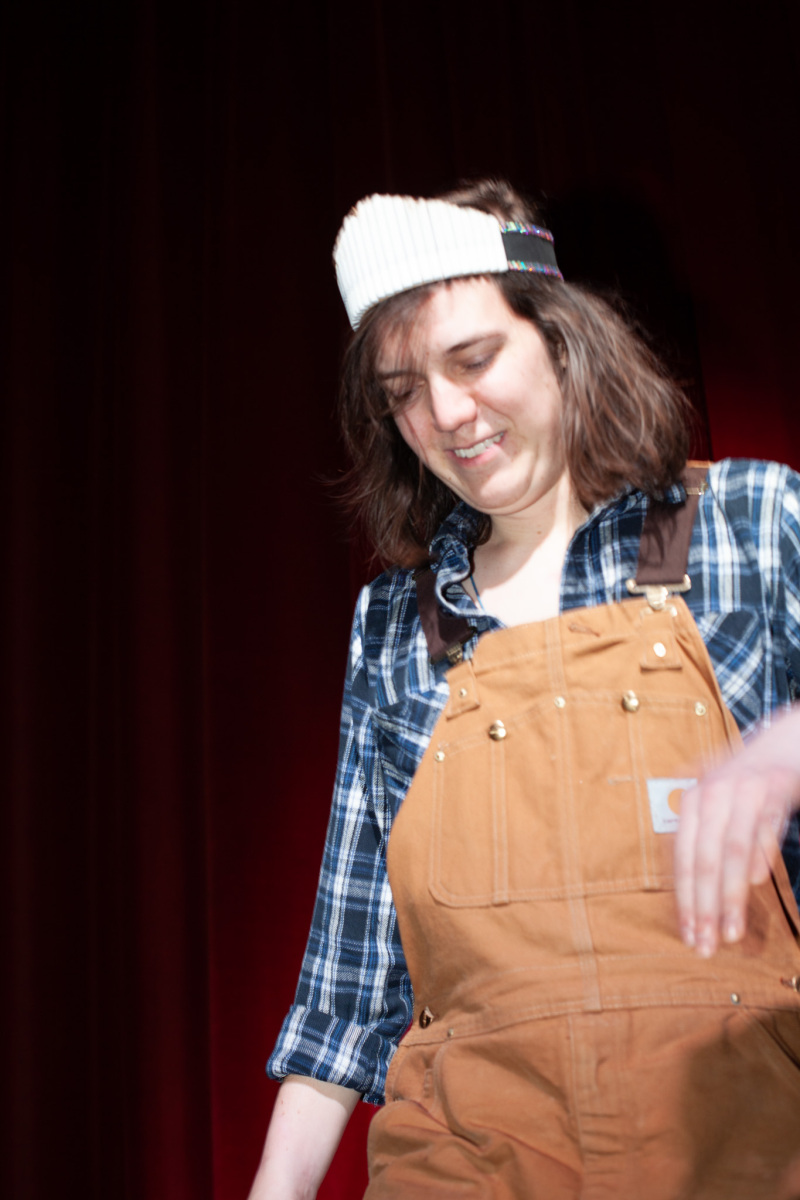
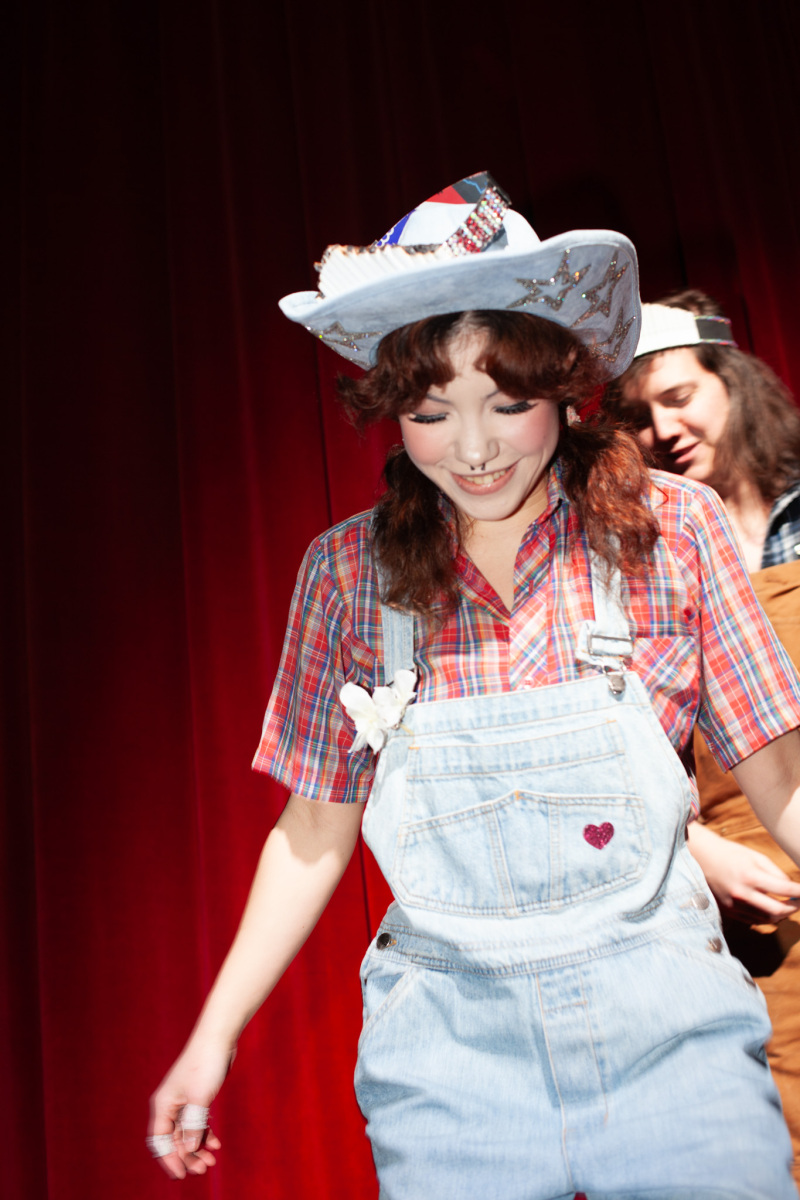
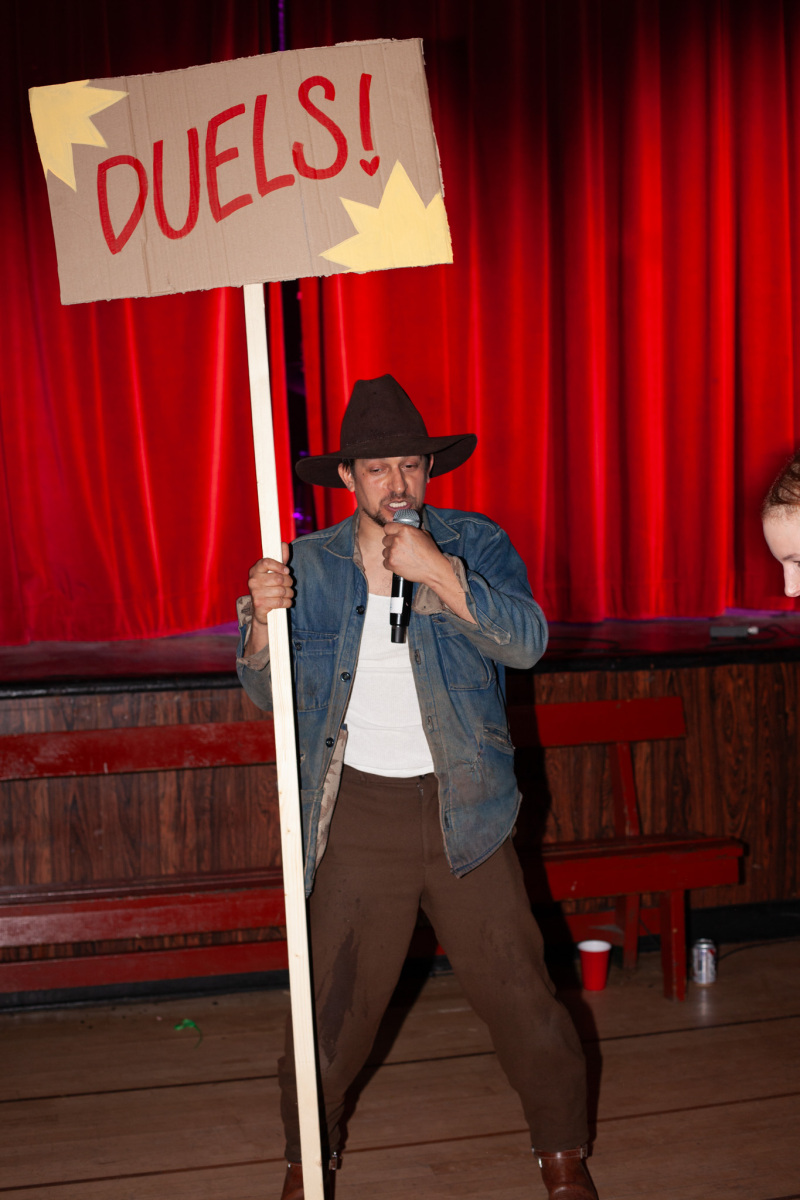
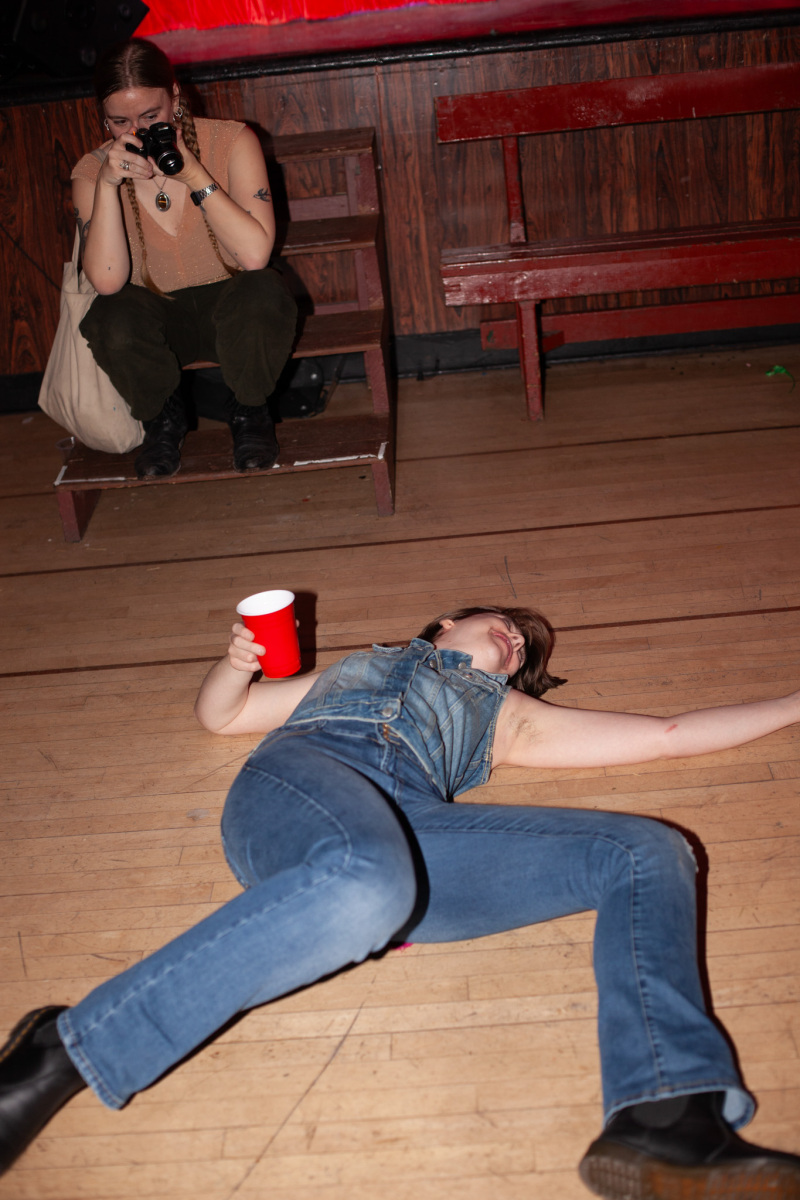
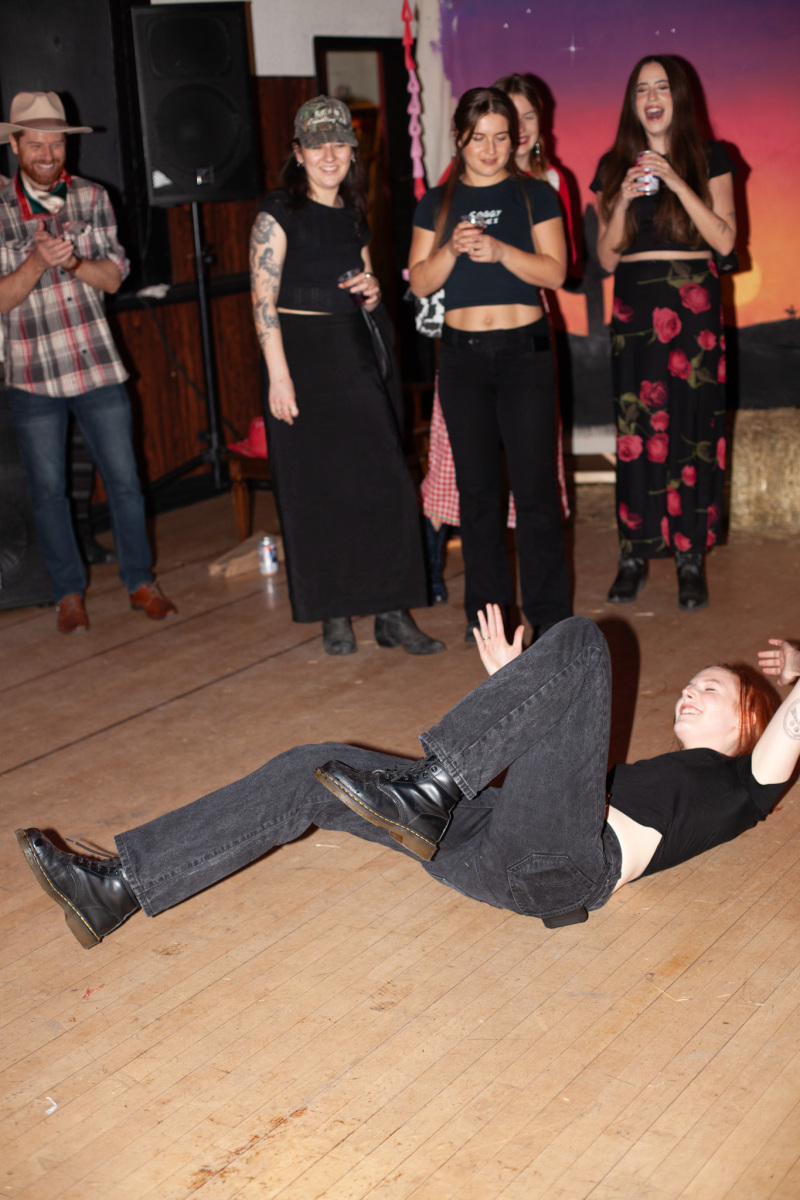
Duels
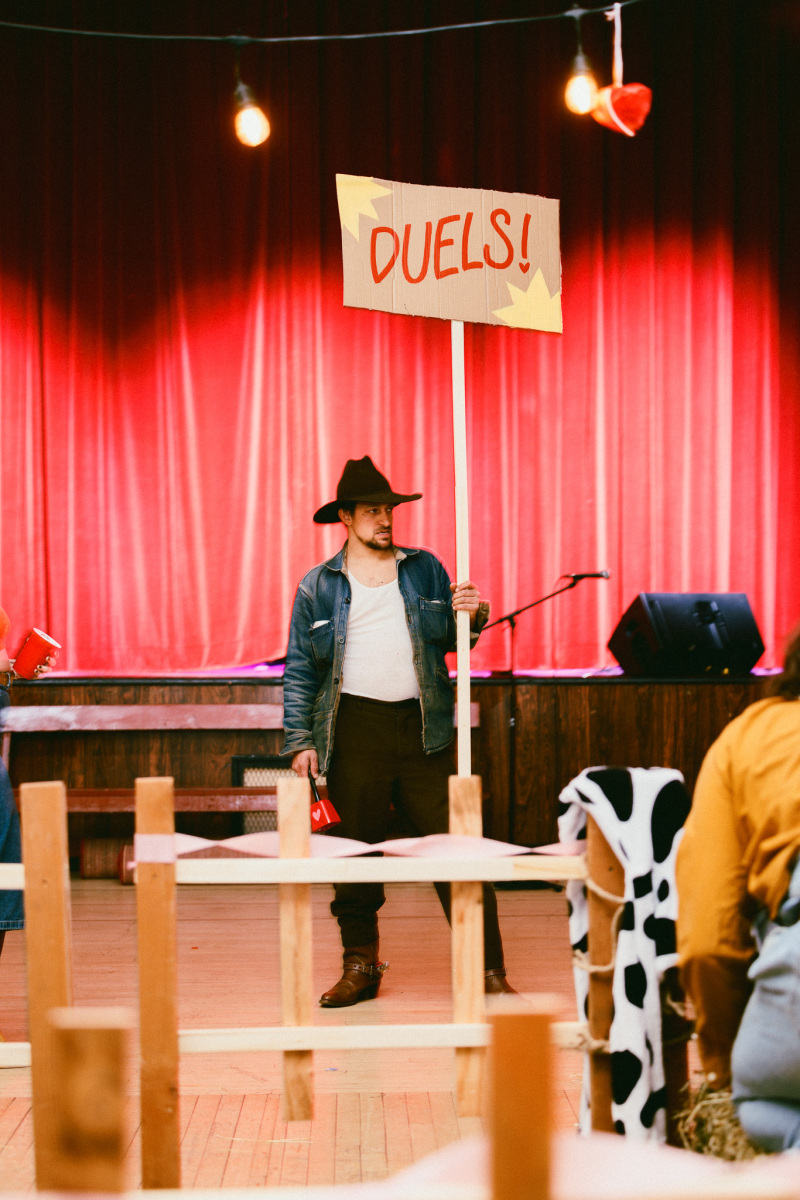
New booths and rides for 2026
Hot Dogs and Pão de Queijo
We’ve never quite focused on food before like we are going to this year. First, we are going into the North American Empire classic, the hot dog. And to compliment it, we are making Brazilian pão de queijo.
Chuckwagon Ride
It’s basically just a couch on wheels, but we are decorating it like a chuckwagon so you can travel around the hall.
Secret Mission Scavenger Hunt
This is something that I am very excited about – every year I’ve noticed that some brave folks enter the fair by themselves. It is so courageous to do that, especially in a big event like this. I invited writer Joseph Halden and Torien Cafferata to design and create a secret mission scavenger hunt for a select few that choose this adventure.
Horse Rides
Peep Skirt by Merc Michel
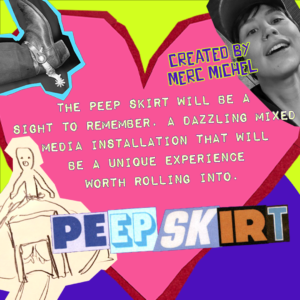
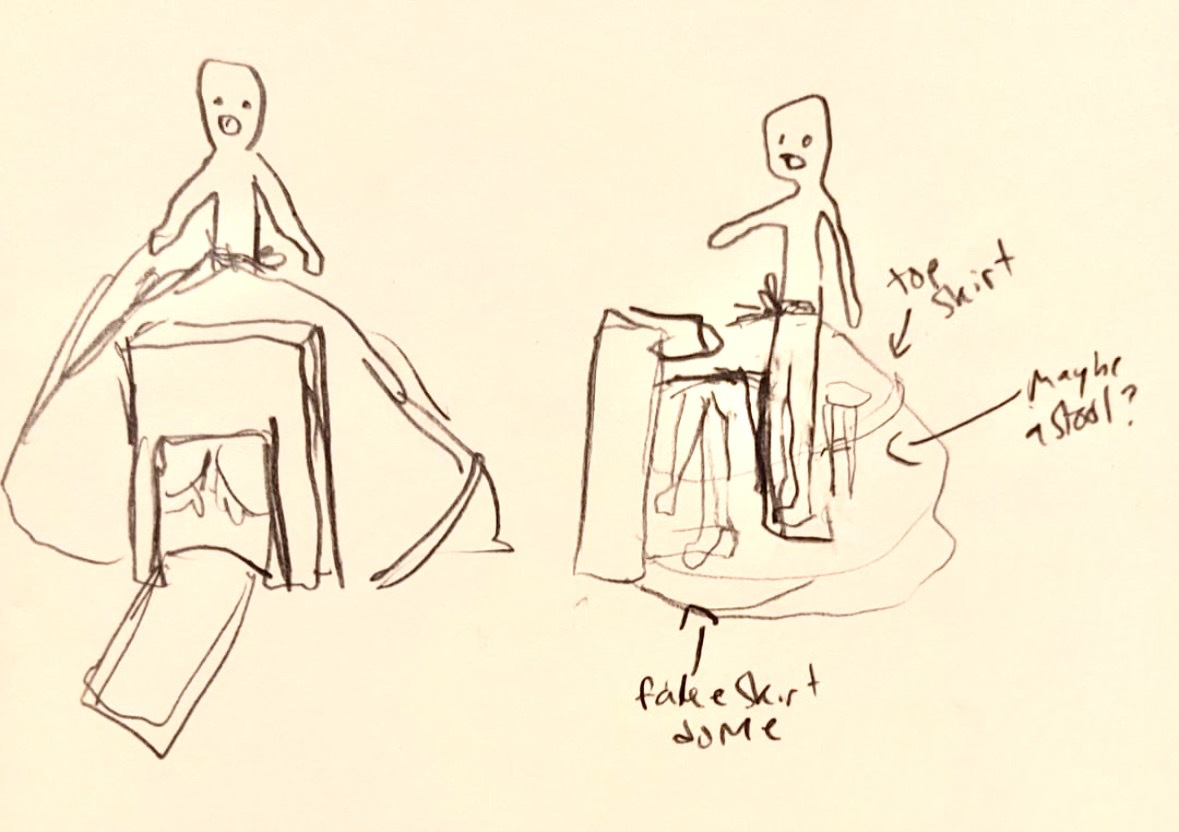
The peep show will be a sight to remember. A dazzling mixed media installation that will be a unique experience worth rolling into.
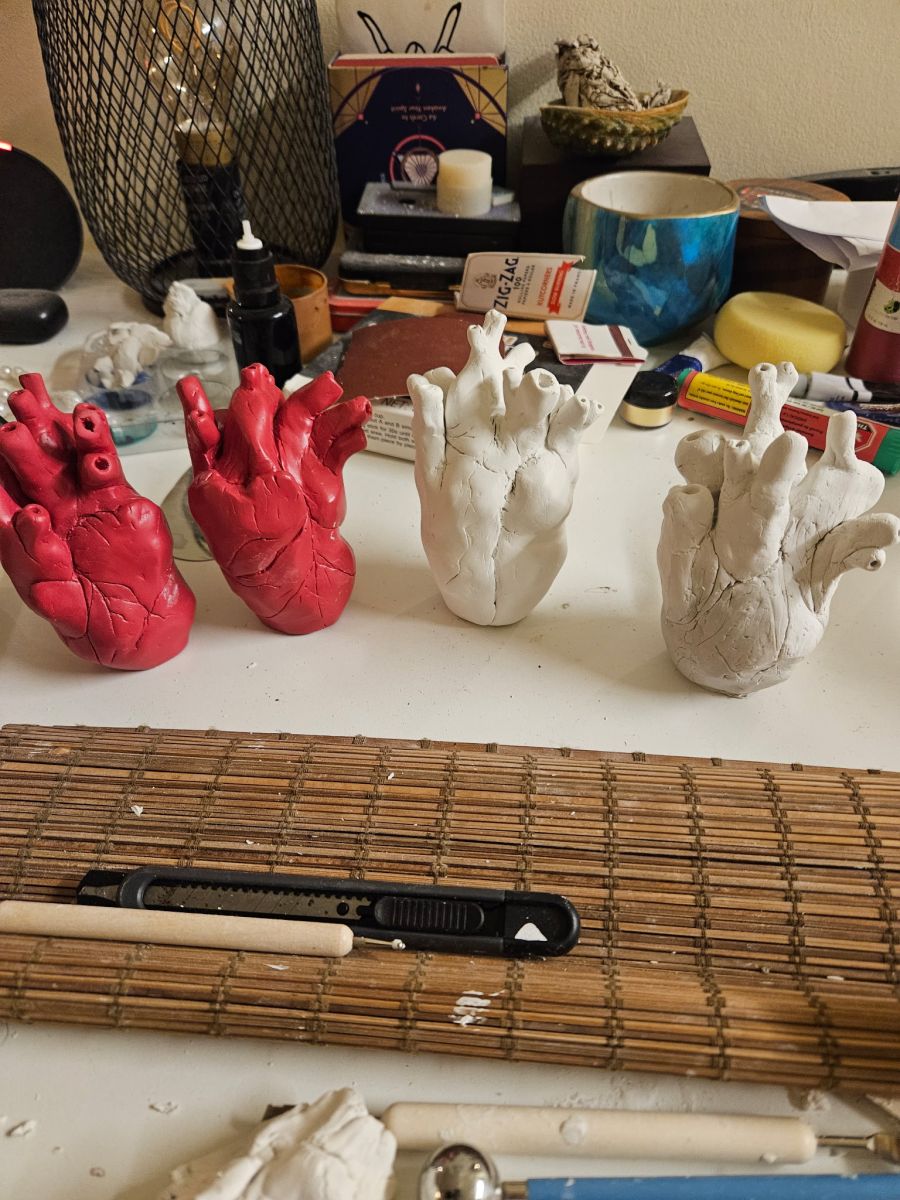
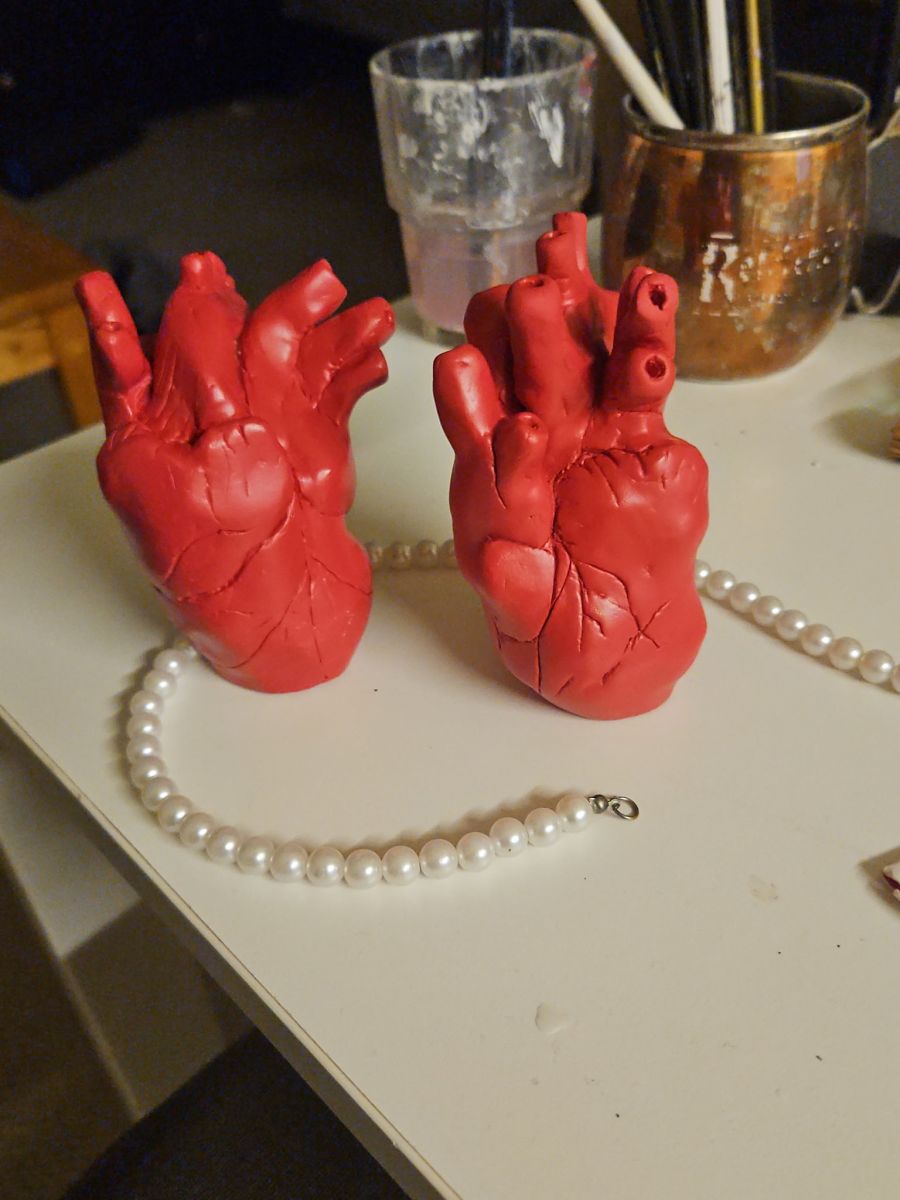
Bedazzling Station
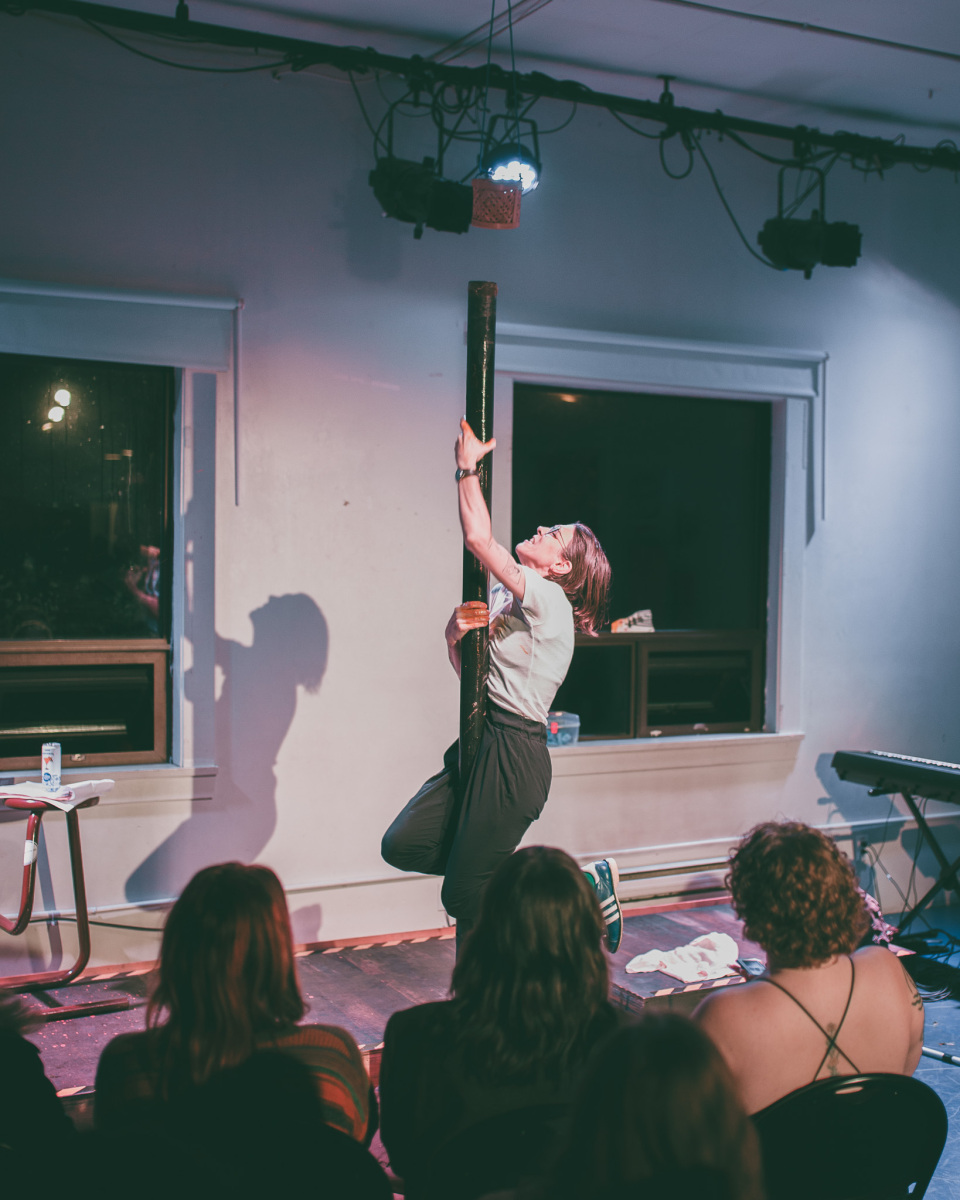
Slippery Pole
Needles in a Haystack
Venting Station
The Team
Rowan Landaiche
Ben Morton
Santi Henderson
Garnet Tyler
Brenna Rosen
Tony Charrette
Jason Tait
Juliette Stephens
The County Fair as a form of Play
The County Fair is an approach towards play as a cultural phenomenon, a way to collectively experience something unique. Play doesn’t have a single function or utility (like exercise, practice, competition, or need for relaxation), nor is it a pathway to another set of emotions. It simply is what you are doing. A voluntary activity with the quality of freedom – we play because we enjoy playing, and in that joy, lies our freedom. It is not a necessary activity or function, only the fact that it is enjoyable makes it a necessity. Play is actions that are different from ‘ordinary’ life, a special form of significant activity, with a social function. The expression of play satisfies all kinds of communal ideas. It stands outside the immediate satisfaction of wants and appetites, indeed it interrupts the appetitive process. It consists of tension, relationships, amusement, and fun.
Play lies outside the reasonableness of practical life; it has nothing to do with necessity or utility, duty or truth. As Johan Huizinga describes it, play transcends the immediate needs of life, imparts meaning to the action, and by the fact that play has meaning, it implies a non-materialistic quality in the nature of the thing itself. We are interested in this non-materialistic quality that emerges from play – not in describing or manufacturing it, but in creating the conditions in which it can emerge and exist. In this way we see play and magic interconnected, related to a richness of experiences and perceptions that go beyond the material and the logical. It’s a sort of knowing, of experiencing, an irrationality that although chaotic and agitated in moments or on the surface level, invites an elevated level of sensitiveness and sensibility to the developing state of play.
We see play as a serious endeavour, understanding that fun is different from funny. The state of mind one is in when play is happening is focused and precise, immersive through action, a performance of the self in a context of relations. In a way, play involves work – something we feel so clearly in the process of creating the County Fair. When our collective meets to discuss and plan elements of the fair, we are in a state of play. We have serious discussions and imaginings of what kind of states will be elicited by our creations, and what could emerge from the interactions with the settings and activities we are creating. We understand, again as Huizinga puts it, that “play lies outside the antithesis of wisdom and folly… of truth and falsehood, good and evil” and that “although it is a non-material activity, it has no moral function” such as vice and virtue.
We believe play has profound aesthetic qualities in its intensity, power, and capacity for absorption, and that it assumes elements of beauty and grace, of rhythm and harmony. A large portion of the efforts we undertake in building up the County Fair from nothing, in transposing the nascent thoughts in our heads into the ballroom floor of The Russian Hall, has to do with creating the ambient where play can happen on the fair grounds. A temporary world within the ordinary world we live in. Sometimes we say that our goal is that if you squint a little, you should feel like you are in a real county fair, a real carnival, outside, in the summer air.
We understand that play can be deferred or suspended at any time – that it is never imposed by physical necessity or moral duty. We found in the county fair format an ideal space for the invitation of play. The booths, the activations, and the performances are all activated by the audience member through a ticket system. There is a clear boundary between play and performance, and the attendee. The choice to engage in play is always theirs, and they have a chance to witness and experience the activations before choosing to engage. We don’t apply to the fair any sense of utility or cultural function like rite or ceremony as those can come with notions of obligation or duty. Play is an expression of being free, it is freedom itself. Like stated above, it is also the idea of stepping out of the real, ordinary life. The absurdism of the booths within the fair format offers us a useful container for the activation of these characteristics of play.
Through play, we think of when we were young creatures who had a hard time keeping their bodies and voices still, how we kept continually moving and making noises for joy, leaping and skipping and dancing and yapping. Play and the play-world, although outside of ordinary life, teaches us something about the current world we live in – including its relativity and fragility, the illusions in which the real world operates. The feelings generated by the fair and its play-world, the exceptional situations it creates, the sharing of important experiences, of mutually withdrawing from the rest of the world, stays with participants beyond the duration of the fair.